

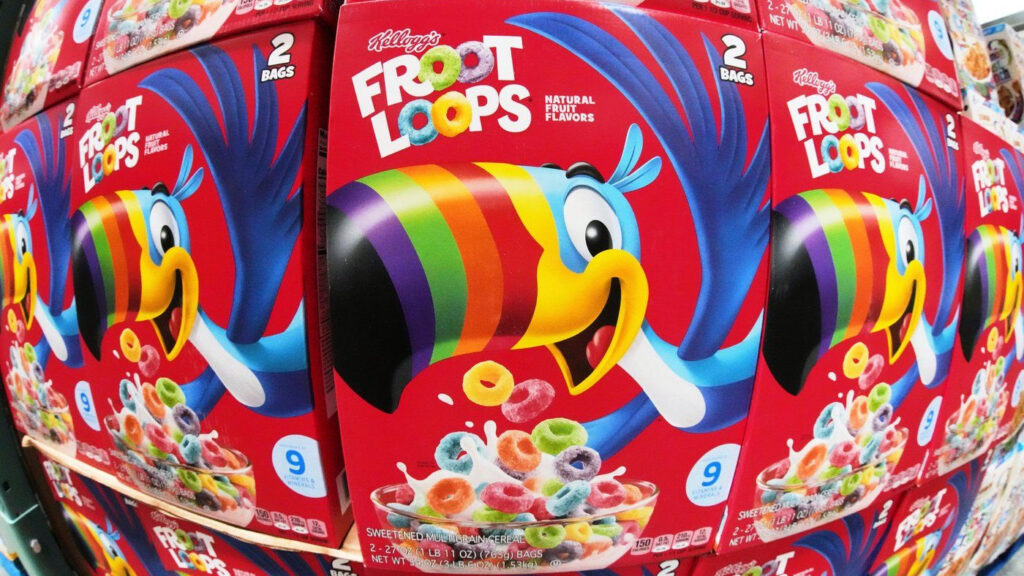
WK Kellogg announced on Thursday its decision to eliminate artificial colors from all its cereal products by the end of this year, significantly ahead of its previously established timeline. The Battle Creek, Michigan-based company had initially stated in August 2022 its plans to remove synthetic dyes from its cereals by the end of 2027. This proactive move comes in response to increasing consumer demand for food products with simple and recognizable ingredients.
To achieve this ambitious goal, Kellogg has identified fruit- and vegetable-based juices that will be used to provide the iconic colors of its popular cereals, such as Froot Loops and Apple Jacks. Additionally, the company has invested in new equipment to facilitate the transition to these natural color alternatives. Alongside the removal of artificial colors, Kellogg also announced plans to phase out BHT, an artificial preservative that is still present in a small number of its cereal products.
Kellogg's Chief Growth Officer, Doug VanDeVelde, expressed pride in the company’s ability to meet consumer expectations earlier than planned, indicating a commitment to transparency and quality in their ingredients. This commitment is particularly relevant as more consumers increasingly seek out products that do not contain artificial additives.
Over the years, Kellogg has faced mounting pressure to eliminate artificial ingredients from its cereals, a measure that has already been taken in other countries, including Canada. In 2024, a significant rally outside Kellogg's headquarters saw dozens of advocates deliver petitions signed by 400,000 individuals, calling for the removal of both artificial dyes and BHT from the company's products. This consumer activism highlights a growing trend of prioritizing health-conscious choices in food consumption.
This urgency has been further amplified by political advocacy from figures such as Robert F. Kennedy Jr., who, while serving as President Donald Trump’s health secretary, has actively urged food manufacturers to phase out petroleum-based artificial dyes. In line with these pressures, Kellogg also signed an agreement with Texas Attorney General Ken Paxton last August, committing to permanently remove toxic dyes from its cereals by the end of 2027, though the company has now accelerated this timeline by nearly five years.
Retailers are also playing a pivotal role in pushing food companies towards cleaner ingredient lists. Earlier this year, Target pledged to discontinue the sale of cereals containing artificial colors by the end of May 2024. Furthermore, Walmart has announced its intention to eliminate artificial colors from its store brand offerings by January 2027. This collaborative pressure from both consumers and retailers underscores a significant shift toward transparency and healthier options in the food industry.








