

Canada is currently engaged in trade negotiations with the United States, considering various concessions to prevent the implementation of a new set of tariffs. Reports confirm that this may include the lifting of provincial bans on the sale of U.S. alcohol, as the deadline for the proposed tariffs approaches in less than two weeks.
The discussions come in response to U.S. President Donald Trump's threats to impose a substantial 50 percent tariff on a wide array of Canadian goods, including hockey sticks, wine, and cement, which are scheduled to come into effect on August 19. Trump's administration clarified that these new tariffs would not fall under the exemptions established by the Canada-United States-Mexico Agreement (CUSMA).
According to sources, a potential trade-off being discussed involves the United States withdrawing its proposed tariffs while simultaneously reducing existing tariffs on Canadian lumber, aluminum, and steel. In exchange, Canada might grant the U.S. the right of first refusal for key energy and critical exports, along with a reconsideration of its liquor bans.
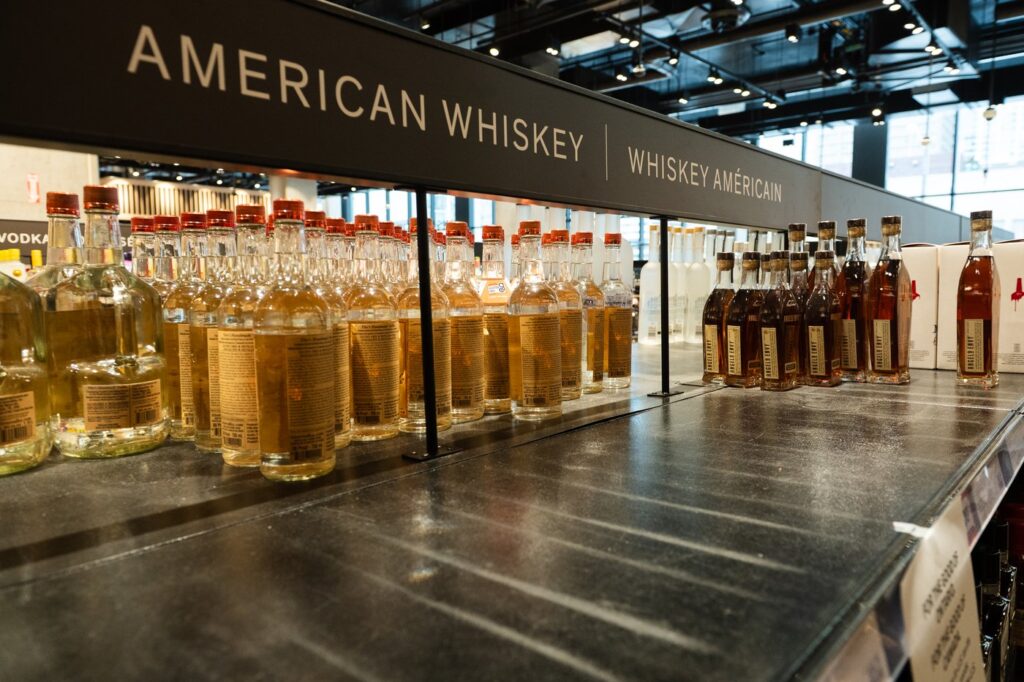
Currently, all provinces in Canada, except for Alberta and Saskatchewan, have restrictions on the sale of U.S. alcohol. This situation has stemmed from previous tariffs imposed by the U.S. on Canadian goods, prompting provinces to enact their respective bans as a form of retaliation.
Prime Minister Mark Carney emphasized that it is ultimately the responsibility of the provinces to decide whether to remove their alcohol restrictions. He noted that these measures were initially taken in response to the tariffs and perceived threats to Canadian sovereignty. Carney indicated that any changes should be made in conjunction with a broader trade agreement.
CityNews has reached out to Ontario Premier Doug Ford regarding these developments and is awaiting feedback. Ford has previously expressed dissatisfaction with Trump's aggressive trade tactics, labeling him a "bully" and asserting the need to confront such behavior. His comments followed the announcement of the new 50 percent tariffs last month.
In Quebec, the local government has maintained its position, stating that American liquor products will remain unavailable in the province until a fair agreement is reached. A spokesperson for Quebec's finance ministry asserted that decisions regarding the sale of alcohol fall exclusively under the jurisdiction of the provincial government.
As these negotiations unfold, the dynamics between Canada and the United States remain tense, particularly in light of the looming threat of substantial tariffs which could have significant economic implications for various industries in Canada. The outcome of the discussions may hinge on the willingness of Canadian provinces to adjust their liquor regulations as part of a broader trade agreement with the U.S.








