

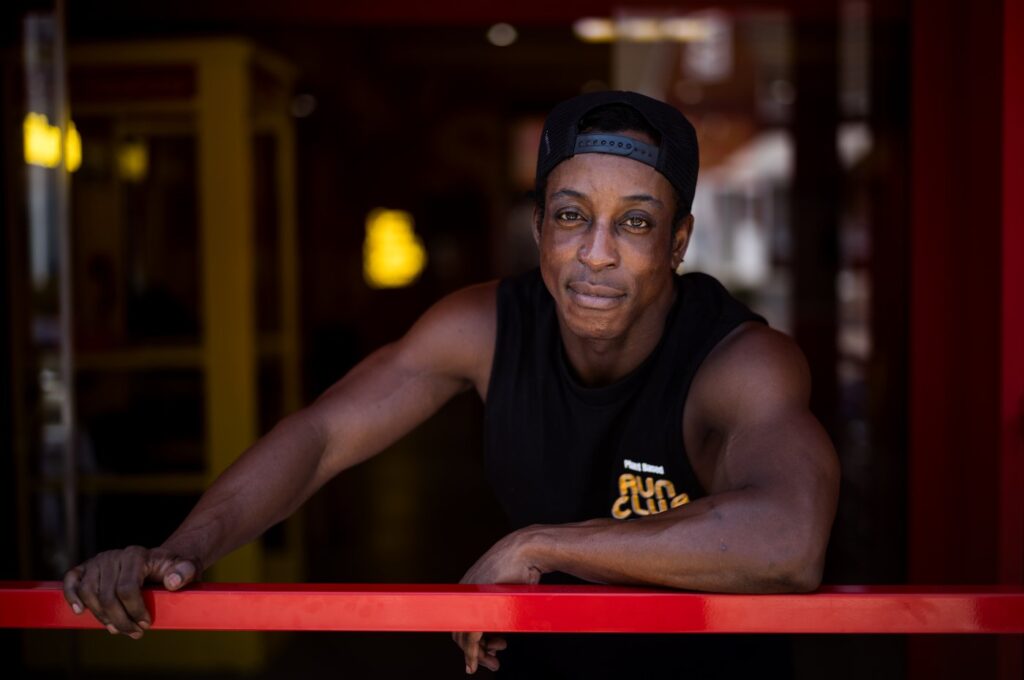
SACRAMENTO, Calif. (AP) — In the lead-up to California's gubernatorial primary, influencer Shaka Smith leveraged his large following of over 700,000 on Instagram to advocate for his choice of candidate, Tom Steyer. Smith emphasized the importance of healthcare accessibility, affordable housing, environmental accountability, and artistic integrity in his endorsement video, clarifying, "This is an ad, and honestly, I wish more political content said that first." Smith's post included a disclaimer indicating he was compensated for the promotion by Steyer's campaign.
California is one of only two states, along with Texas, that mandates content creators disclose any payment received from political campaigns for advertisements. The state is contemplating additional measures to enforce these disclosures, including imposing fines on non-compliant influencers. The growing trend of political campaigns using smaller social media creators to reach niche audiences has ignited discussions regarding the adequacy of current disclosure regulations.
Mike Nellis, a Democratic strategist, stated the significance of engaging with influencers, emphasizing that failure to do so could leave candidates at a disadvantage. Campaigns have increasingly sought partnerships with both high-profile and lesser-known influencers to spread their political messages. The rising instances of undisclosed payments for influencer endorsements have raised concerns about transparency in political advertising.
One notable example occurred during the 2022 election cycle, when John Fetterman’s campaign paid Nicole "Snooki" Polizzi to create a video that criticized his political opponent. Similarly, in 2023, a marketing agency with conservative affiliations compensated influencers to defend Texas Attorney General Ken Paxton amid misconduct allegations. In both cases, the influencers did not provide clear disclosures about their payments.
Steyer, who previously spent over $215 million in a failed bid for governor, faced criticism for his campaign's use of influencers, accentuated by accusations of attempting to purchase the election. While many influencers in his campaign complied with disclosure requirements, California's campaign finance authority is investigating other creators for potential violations.
Federal regulations for disclosure are currently nonexistent. California Senator Adam Schiff introduced proposed legislation last month, but it has yet to be voted on. Advocacy groups are pushing for the Federal Election Commission to establish their own regulations regarding political advertisement disclosures.
The enforcement of California's 2023 disclosure law faces challenges, with the state’s campaign watchdog needing to pursue court orders for compliance—a process that could take considerable time. In response, Assemblymember Marc Berman proposed a new bill that would empower the Fair Political Practices Commission to impose fines up to $5,000 on influencers and political committees that violate disclosure rules, thus circumventing prolonged court proceedings.
Berman asserted, "Voters should have a right to know whether or not campaigns are paying for the messaging that they’re seeing." Texas has also enacted a rule requiring a disclaimer for paid political advertisements, while New York is considering similar legislation. Attempts to create disclosure laws have previously failed in states like Utah and Georgia.
Smith, who initially hesitated to commit to a gubernatorial candidate, highlighted the influence of a trusted friend’s endorsement of Steyer, a connection stemming from a paid post. He appreciated Steyer's stance on tax increases for billionaires and his refusal to accept corporate political donations.
Despite not disclosing the exact amount paid for his endorsements, Smith mentioned it was a significant sum in the thousands of dollars. He expressed confidence that his posts positively impacted his audience, asserting that his followers trust his recommendations.
Some creators, however, are concerned about the repercussions of the proposed legislation. Dustin Torreverde, a Southern California content creator, emphasized the need for transparency but warned that increased regulations could unfairly burden smaller creators. Adina Flores, a libertarian influencer from Northern California, voiced support for disclosure requirements while cautioning against influencers promoting candidates without thorough research.
Saurav Ghosh, a legal expert from the Campaign Legal Center, emphasized that transparency is vital for maintaining trust in the electoral system and hopes state-level disclosure requirements will inspire federal regulations in the future.








