

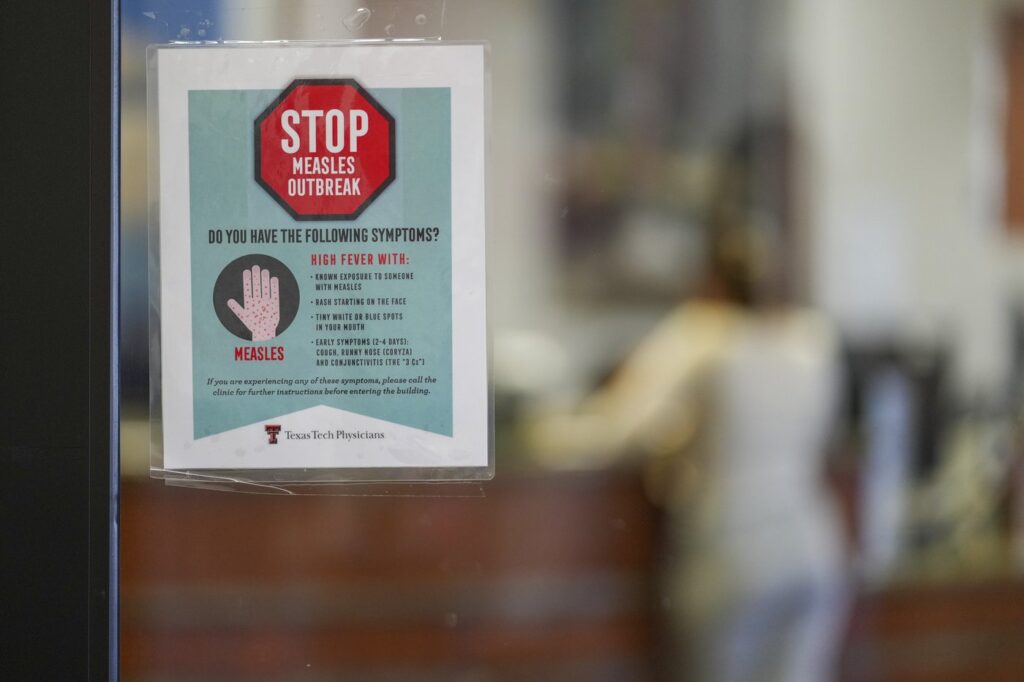
Recent data from the World Health Organization (WHO) highlights a concerning trend regarding measles cases in North America. Despite having a population approximately one-tenth the size of the United States, Canada has reported half the number of confirmed measles cases compared to its southern neighbor. As of July 18, the U.S. recorded 2,260 cases, while Canada confirmed 1,107 cases in the same timeframe.
The WHO has indicated that a total of 47,459 measles cases have been confirmed across the Americas this year, which is alarming as it is three times higher than the total number of cases reported for the entire previous year in the region. The increase in cases is indicative of potential gaps in vaccination coverage and the need for improved public health responses across the Americas.
In addition to the health implications, the measles outbreak has also resulted in devastating consequences. The organization reported that 45 lives have been lost in the Americas due to the disease this year, with the majority of fatalities occurring in Guatemala and Mexico. The gravity of the situation underscores the urgent necessity for countries in the region to enhance their healthcare measures.
The WHO has issued a strong alert emphasizing the need for the Americas to bolster their vaccination efforts. It calls for improved surveillance systems and rapid outbreak response mechanisms to curb the rising number of measles cases. This outbreak represents the highest frequency of confirmed measles cases in more than two decades for both North and South America.
As health authorities grapple with these challenges, the WHO continues to advocate for coordinated responses among nations. The organization stresses that effective vaccination and public awareness can play crucial roles in preventing further infections and protecting vulnerable populations.
This information serves as a crucial reminder of the ongoing public health challenges posed by vaccine-preventable diseases. Enhanced collaboration and proactive measures are essential to control this epidemic and ensure the safety and health of communities across the Americas.








