

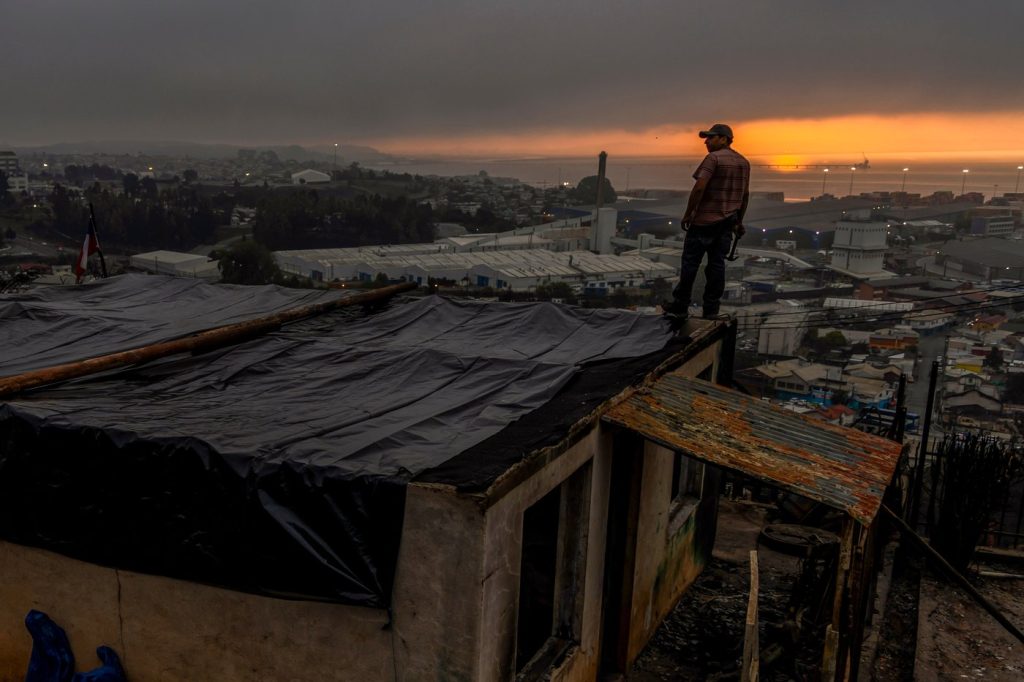
LIRQUÉN, Chile (AP) — Thick smoke looms over Lirquén, a chilling sign that wildfires continue to threaten the area. These devastating wildfires in central and southern Chile have already consumed approximately 450 square kilometers (170 square miles) of land, resulting in at least 20 fatalities, nearly 300 injuries, and the evacuation of tens of thousands, leaving an immense path of destruction in their wake.
The impacts of the fires are being assessed in various towns, including the small fishing village of Lirquén, which has seen some of the worst devastation. The inferno has engulfed 80% of Lirquén’s territory, accounting for 17 of the recorded fatalities. Residents who managed to escape now face the daunting question of rebuilding their homes and lives. “This was hell,” said Pamela Crisostomo, a local resident who lost her home in the disaster.
As Lirquén's roughly 20,000 inhabitants embark on the reconstruction of their town, they are bolstered by an outpouring of support from across the country. Local and international NGO efforts are crucial for the community's recovery. Crisostomo also leads a neighborhood association, indicating the local leadership's dedication to helping their community recover despite their initial losses.
A wave of volunteers has flooded into Lirquén to assist, engaging in activities from cooking and distributing meals to helping with the cleanup. Volunteer Manuel Vázquez Romero, who traveled from Santiago, stated, “People always organize to bring food when there are disasters.” This grassroots effort enables the community to begin to heal.
Organizations like ADRA, a global humanitarian agency, have mobilized to prepare meals for the affected population, serving around 300 meals per day. João Camilo Jiménez from World Central Kitchen emphasized their commitment to providing over 6,000 meals daily, in collaboration with local restaurants to stimulate the economy.
However, some locals express frustration with the government’s slow response. Crisostomo highlighted the limited assistance from municipal authorities, noting that only six mattresses and milling machines have been provided so far. Nursing volunteers like Mauricio Morales are also working tirelessly to offer basic health care to those injured during the cleanup and recovery process, treating injuries related to debris removal.
Significant challenges remain, as some areas experience ongoing flames. Despite some larger fires being controlled, around twenty large fires continue to threaten communities, reigniting due to adverse weather conditions such as high winds, drought, and elevated temperatures. In the town of Florida, located approximately 50 kilometers (30 miles) east of Lirquén, the destructive Trinitarias fire prompted renewed evacuations and the establishment of police checkpoints, complicating access to affected neighborhoods.
Firefighters warn of a protracted battle against the flames, indicating the situation could continue for several days. Recent reports detail the destruction of over 750 homes, forcing around 500 people into shelters. Student María Paz shared her harrowing experience, stating that her family escaped the blaze only to lose their vehicle and homes in the process.
The aftermath of the wildfires has mobilized a community united in resilience and determination. As the recovery effort gains momentum, the plight of Lirquén’s residents draws attention to the urgent need for support, while the fight against the flames continues in central and southern Chile.








