

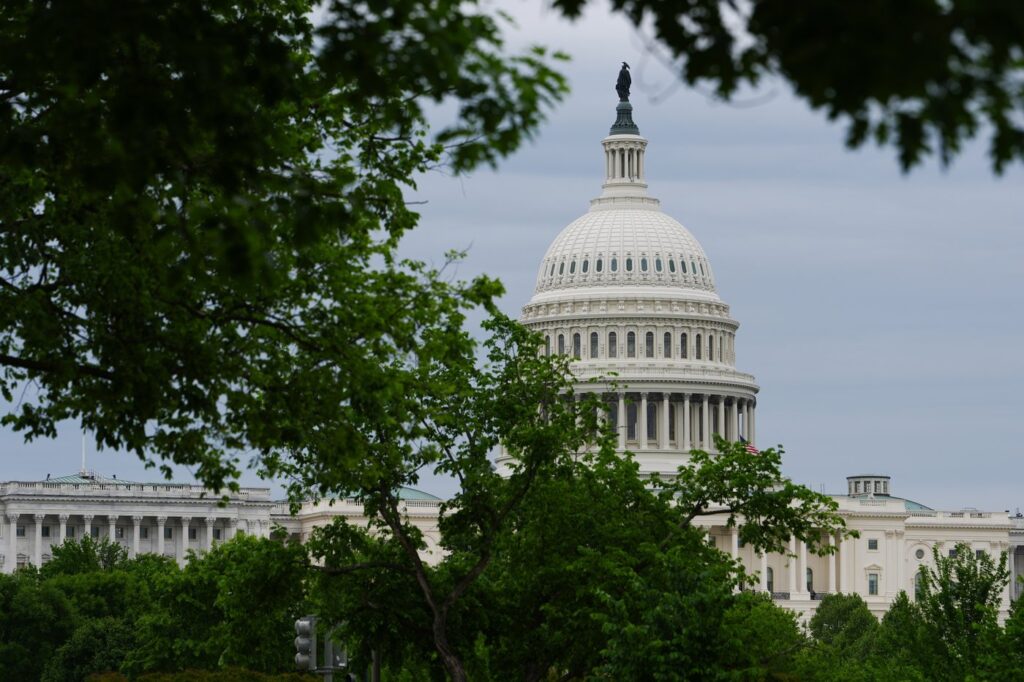
OTTAWA – Members of Parliament (MPs) and senators in Canada are poised to significantly curtail their interparliamentary exchanges with the United States Senate and Congress. This decision comes despite ongoing multi-party initiatives aimed at preserving a vital trade agreement with the United States.
For several years, parliamentary funding for intergovernmental legislative exchanges has remained stagnant. During this period, however, the costs associated with participating in various interparliamentary groups, including those related to the Commonwealth and NATO, have seen notable increases. This mismatch between flat funding and escalating fees is leading to concerns among Canadian legislators.
Conservative Whip Chris Warkentin, addressing a gathering of MPs who oversee House of Commons expenses, recently disclosed that the Canada-United States Inter-Parliamentary Group may face a staggering 40 percent reduction in funding. While other groups are reportedly experiencing funding increases, the potential cut to this specific group highlights the financial strain faced by those involved in U.S.-Canadian legislative collaborations.
Jeffrey LeBlanc, the House deputy clerk responsible for procedural matters, did not formally confirm Warkentin's figure but acknowledged that increasing membership and conference fees are compelling numerous groups to limit their travel budgets. This reduction in travel could hinder the vital exchanges and discussions that foster Canada-U.S. legislative relations.
A closed-door meeting held last month by the Joint Interparliamentary Council, which comprises both MPs and senators, resulted in budgetary decisions for each interparliamentary group. However, the specifics of these decisions will not be publicly disclosed for several weeks, leaving many questions about the future of interparliamentary funding in limbo.
In March, the Joint Interparliamentary Council had requested additional funding from both houses of Parliament. They proposed a measure allowing MPs and senators to use their individual travel budgets to support trips to the U.S. that are primarily focused on interparliamentary work. This recommendation indicates a recognition of the importance of maintaining bilateral relations through direct legislative engagement.
The growing concerns regarding funding cuts and the financial limitations on interparliamentary exchanges with the U.S. come at a critical time when trade relations are increasingly important for Canada's economy. As crucial legislative discussions loom, the ability to foster strong personal connections among legislators on both sides of the border could significantly impact negotiations surrounding trade agreements and other cooperative initiatives.
As these discussions unfold, the implications of reduced funding for the Canada-United States Inter-Parliamentary Group and others may resonate beyond mere logistical concerns, potentially affecting strategic partnerships and legislative progress between the two neighboring countries.








