

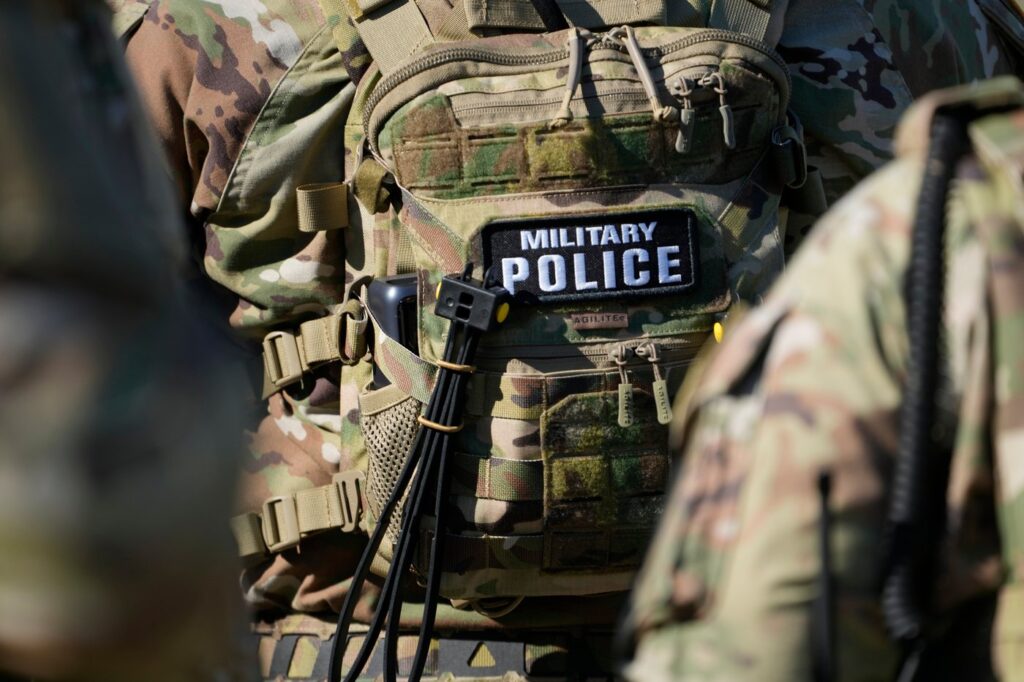
NASHVILLE, Tenn. (AP) — Four residents of Memphis have initiated a lawsuit against U.S. and Tennessee officials, alleging that they have faced harassment, arrests, and physical mistreatment for exercising their First Amendment rights by observing and recording the activities of law enforcement in their city. The lawsuit, which was filed on Wednesday in federal court, directly targets the Memphis Safe Task Force, a coalition of agents from 13 federal agencies that former President Donald Trump dispatched to the city to combat crime, alongside Tennessee State Troopers and the Tennessee National Guard.
Since the end of September, the task force has been active in Memphis, a majority Black city with a population of approximately 610,000 people. The coalition reportedly has conducted over 120,000 traffic stops as part of its operations. The lawsuit contends that, under the guise of crime control, task force agents have aggressively stopped, intimidated, and arrested residents engaged in everyday activities. In light of this, the plaintiffs assert that Memphians, including themselves, have taken to documenting the task force's actions to gather information and hold the agents accountable.
Efforts to seek comments from the U.S. Department of Justice and the task force spokesperson remained unanswered on Wednesday morning, as indicated by emails from The Associated Press. Notable federal figures, including Defense Secretary Pete Hegseth, former Attorney General Pam Bondi, and White House Deputy Chief of Staff Stephen Miller, have visited Memphis to commend the efforts of the task force. Miller, in October, made bold claims that the increased law enforcement presence would render the city "safer than any of you could ever possibly imagine," predicting an influx of businesses and investments that would enrich Memphis beyond measure.
This task force initiative is part of a broader strategy under Trump's administration to deploy National Guard troops and enhance federal law enforcement in urban areas, particularly those governed by Democrats. Previous deployments, such as those to the District of Columbia and Los Angeles, along with Trump’s labeling of Portland, Oregon, as "war-ravaged," underscore this pattern. Furthermore, during a meeting with U.S. military leaders, Trump suggested using cities as training sites for the armed forces.
The lawsuit claims that agents within the task force have systematically retaliated against the plaintiffs and other citizens who observe their activities. It alleges that these actions stem from federal policies that perceive public observation of federal agents as a potential threat. Moreover, the suit points out the failure of federal and state authorities to adequately instruct their personnel not to retaliate against individuals exercising their First Amendment rights.
Through this legal action, the plaintiffs seek a judicial declaration affirming that the retaliation they experienced for observing and recording law enforcement activity is unconstitutional. They also request a court order prohibiting further retaliation against them. Additionally, the lawsuit challenges a Tennessee law known as the "Halo Law," which mandates that observers maintain a distance of at least 25 feet (7.6 meters) from law enforcement officers—under the threat of arrest if warned—arguing that it is unconstitutional for punishing those who do not interfere with police duties.
The legal discourse surrounding this lawsuit sheds light on the ongoing tensions between civic engagement and law enforcement practices in urban environments, particularly as federal and state authorities navigate their policies in contexts colored by race and public safety considerations.








