

WARNING: This episode contains discussion about suicide, death and the killing of children. Please take care.
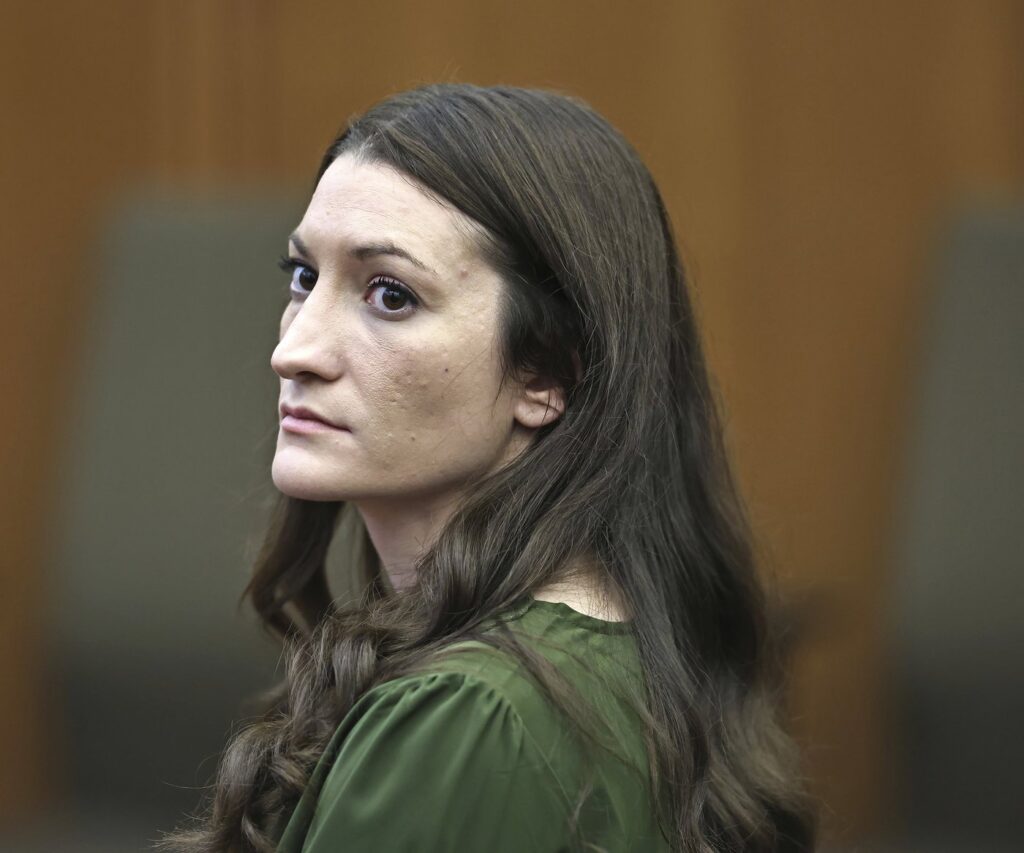
The fate of Lindsay Clancy, a 36-year-old former nurse from Massachusetts, is currently in the hands of a jury consisting of nine women and three men. The jury has been deliberating since Friday following Clancy's admission to killing her three children in January 2023. This tragic case has drawn significant media attention and has raised profound issues regarding mental health, particularly postpartum conditions.
Clancy's defense claims that she was suffering from postpartum psychosis at the time of the incident. This mental health condition can lead to severe mood swings, delusions, and disorganized thoughts, and the defense argues that Clancy was misdiagnosed by the healthcare system. They contend that her state of mind rendered her incapable of understanding the consequences of her actions, thus questioning her legal culpability.
Conversely, the prosecution argues that Clancy was aware of her actions and that the killing of her children cannot be excused by mental illness. They present a case based on the notion that she had the capacity to discern right from wrong, suggesting she should be held accountable for the deaths. The stark contrast between the defense and prosecution brings into focus not only the individual case at hand but also broader societal issues surrounding mental health treatment and the support available for new mothers.
The atmosphere inside and outside the courthouse has been intense, with emotional reactions from friends, family members, and the community at large. Michael Casey, a journalist from The Associated Press, has been following the trial closely. In discussions regarding the mood in the courthouse, Casey notes that there are deep tensions and a palpable sense of helplessness felt by those affected by the case. The complexity of Clancy's situation evokes sympathy from many, raising questions about mental health support systems, particularly for mothers undergoing postpartum challenges.
Additionally, the potential for a mistrial has been a topic of speculation during the jury's deliberation period. Factors influencing this possibility include the thoroughness of the evidence presented, jury dynamics, and questions surrounding the adequacy of the defense's arguments. The case has underscored the urgent need for reform in mental health care and support, particularly in how new mothers are treated during vulnerable postpartum periods.
As the jury continues deliberations, the case has expanded the conversation on maternal mental health beyond its immediate tragedy. Advocates for mental health awareness emphasize the importance of recognizing the signs of postpartum conditions and ensuring that mothers receive timely and appropriate care. Resources are available for individuals struggling with mental health issues related to postpartum experiences, and organizations like Postpartum Support International play a crucial role in connecting those in need with the support necessary for recovery.
If you or someone you know is struggling, call 988 for Canada’s suicide hotline, or visit Postpartum Support International to be connected to resources for mothers.








