

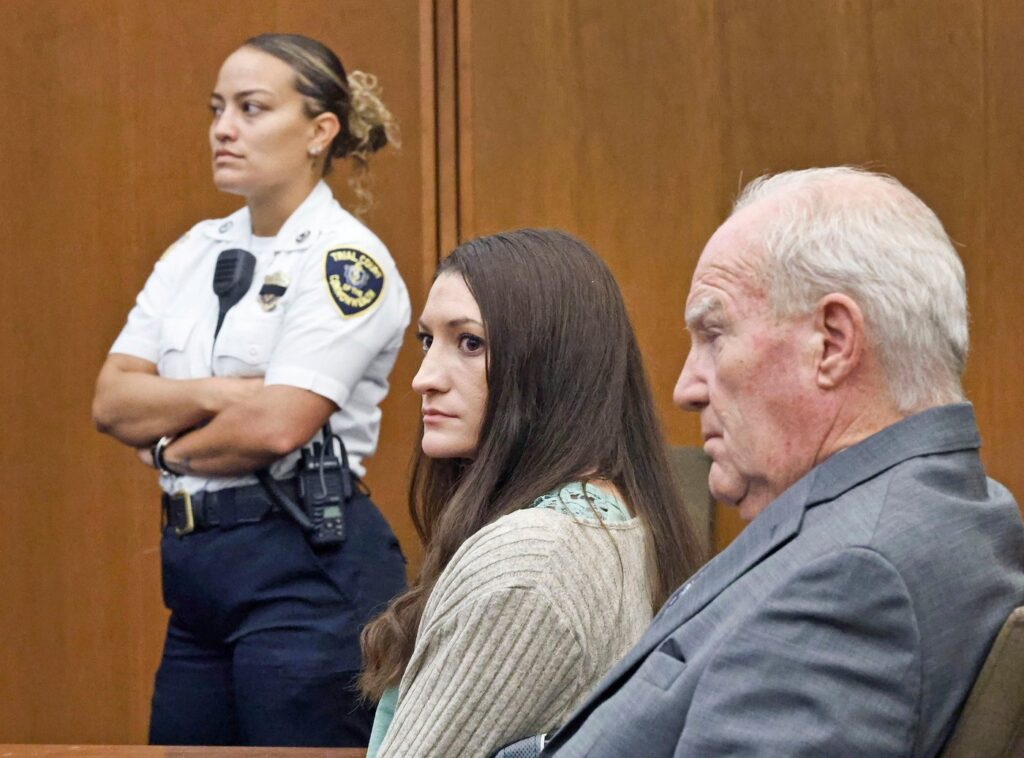
In a dramatic development during the Lindsay Clancy trial, Judge William Sullivan stated his intention to declare a mistrial, only to reverse his decision moments later. He granted Clancy's defense attorney an hour to file an appeal after jurors sent a note indicating they were unable to reach a unanimous verdict regarding Clancy's criminal responsibility for the deaths of her three young children in January 2023.
Judge Sullivan's announcement came after the jury's repeated indications of being deadlocked. As they began their seventh day of deliberations, jurors communicated for the third time that they could not agree on whether Clancy was criminally responsible for her actions. Clancy, a 36-year-old former labor and delivery nurse from Massachusetts, has been accused of killing her three children, aged eight months to five years, while allegedly suffering from postpartum psychosis.
During the trial, Clancy's defense argued that she was in a severe mental state when she committed the acts, while prosecutors contended that she was aware of her actions. Clancy's attorney highlighted her struggles with postpartum psychosis, a rare and serious condition affecting 1 to 2 out of every 1,000 women postpartum, which can result in delusions and impaired judgment. Conversely, prosecutors argued that Clancy deliberately engaged in manipulative behavior, such as sending her husband out on errands to isolate him before the tragic events occurred.
EDITOR'S NOTE: If you or someone you know is struggling, call 988 for Canada’s suicide hotline, or visit Postpartum Support International to be connected with resources for mothers.
The trial has captured significant public attention, illuminating discussions surrounding maternal mental health and the complexities it presents in the legal system. On Thursday, the jury’s foreperson disclosed a note to the judge indicating that one juror was not following the court’s instructions regarding the concept of reasonable doubt. This note represented insight into the jurors' internal conflict that hampered their ability to reach a verdict.
Following this disclosure, Judge Sullivan personally questioned each juror to ensure their ability to follow legal instructions. He reiterated that "proof beyond a reasonable doubt does not mean proof beyond all possible doubt." Despite the judge's efforts to clarify these instructions, the jury communicated their continued inability to come to an agreement.
On Friday, before proceeding with deliberations, Clancy’s defense requested that the judge question the juror in question again, regarding their adherence to the reasonable doubt standard. Judge Sullivan denied this request, stating that the aforementioned note did not indicate a refusal to comply with the law. Sullivan emphasized the importance of impartiality, reinforcing his stance that he would neither favor one side nor the other in the deliberation process.
Throughout the proceedings, Lindsay Clancy attended court in a wheelchair due to being paralyzed from the waist down following her suicide attempt. This marked the first time during the trial that she was involved in a sidebar conversation with the judge and her legal team, as her attorney argued for her right to be informed about the case proceedings.
If the jury is ultimately unable to reach a verdict, Judge Sullivan has indicated he will declare a mistrial, which would put the burden on the prosecution to decide if they will retry Clancy, drop the charges, or seek a plea deal. Depending on the jury's eventual decision, Clancy could face charges of murder or manslaughter. Alternatively, an acquittal does not preclude the possibility of a judge ordering her confinement to a mental health facility if deemed a danger to the public.
The trial has become a focal point for ongoing conversations about mental health, particularly in mothers following childbirth, as the legal system grapples with cases involving severe mental health crises and their ramifications.








