
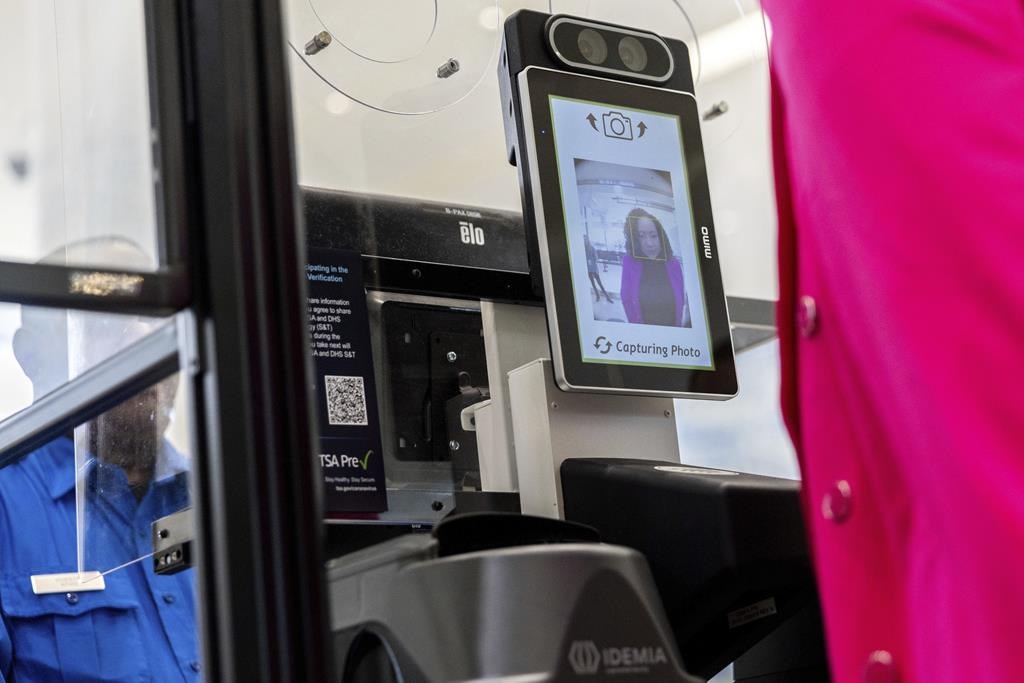
Facial recognition technology is increasingly marketed as a means of convenience in various sectors; however, this ease is accompanied by significant concerns regarding privacy and ethics. One of the most notable areas where biometric surveillance has become prevalent is within government agencies, including border patrol, law enforcement, and immigration departments. In these sectors, the use of biometric data often comes at the expense of individual choice and consent, raising troubling questions about the implications for personal freedom and autonomy.
In a recent episode of The Big Story podcast, host Maria Kestane engages with Aaron Tucker, an author and associate professor at Memorial University of Newfoundland. The conversation centers around the evolving landscape of facial recognition technology and the broader implications of biometric data collection. Tucker elucidates how the integration of such technology often creates a dichotomy between security and civil liberties, highlighting that individuals often have little to no choice when it comes to the use of their biometric data in these contexts.
Tucker argues that the thresholds for obedience to data collection practices are frequently set by external authorities, which can lead to a power imbalance between the state and the individual. The necessity of compliance in matters of security can coerce individuals into consenting to surveillance measures that they would otherwise reject, particularly in high-stakes situations where their life and liberty are at risk. This raises ethical dilemmas concerning the extent to which governments should be allowed to monitor and analyze citizens' biometric data without explicit consent.
Moreover, the discussion touches upon the issue of accountability in the development and deployment of facial recognition systems. As technological capabilities advance, the potential for misuse increases. Tucker emphasizes the need for regulatory frameworks that prioritize the protection of civil rights and facilitate transparency in how biometric data is collected, stored, and utilized. Without such measures, there is a risk that these technologies will be employed in ways that infringe upon personal liberties.
The conversation also explores the societal ramifications of normalized surveillance practices. When biometric data collection becomes embedded within security systems, it can foster an environment of mistrust among citizens who may feel constantly monitored. This pervasive surveillance culture raises questions about the psychological impact on individuals and the long-term effects on societal behavior and cohesion.
Currently, the deployment of facial recognition technology is characterized by the lack of uniform standards and regulations, which poses challenges for ethical implementation. Participants in the discussion reflect on the importance of establishing a balance between leveraging technology for security and safeguarding individual rights. As cities and governments become more reliant on these systems, ongoing dialogue is essential to ensure that the technologies do not become tools for oppression or discrimination.
In summary, the discussion underscores the urgent need to scrutinize the intersection of technology, consent, and civil liberties. As biometric surveillance continues to play a crucial role in security frameworks, it is imperative to consider who benefits from these technologies and at what cost to individual freedoms. By addressing these complexities, society can work towards a future where security measures do not come at the expense of personal autonomy and rights.