

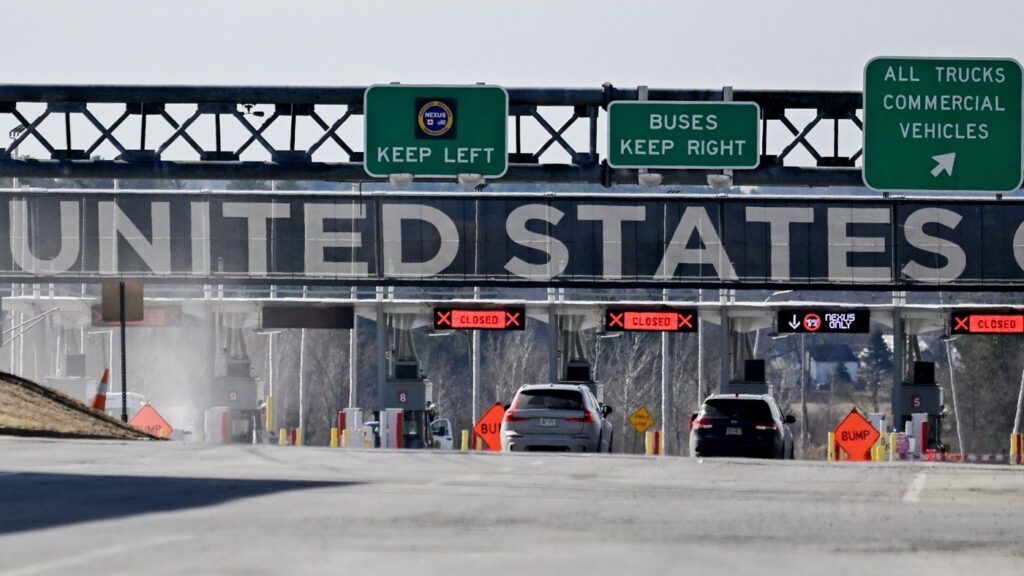
MONTREAL – Travel analysts predict that the recent midterm elections, which saw a sweeping victory for the Democrats, could contribute to an increase in Canadian visitors traveling to the United States, providing a counterbalance to recent tensions stemming from a trade war. According to preliminary figures from Statistics Canada, Canadian return trips from America rose by three percent in October compared to the previous year, marking the seventh consecutive month of growth.
Despite this increase, the October figures represent a smaller gain than what had been observed during the peak summer months and into September. At Flight Centre Travel Group Canada, new bookings – distinct from actual trips taken – fell by 26 percent year-over-year in October, largely attributed to a new round of tariffs and aggressive rhetoric from U.S. President Donald Trump.
Amra Durakovic, a spokesperson for Flight Centre, emphasized the vulnerability of cross-border travel, particularly within the leisure market. However, in the wake of the Democratic electoral success on November 3, signs of recovery in Canada-U.S. tourism have begun to emerge. “We’re hearing a degree of cautious optimism from some travelers who were reluctant to return,” Durakovic noted.
She cited a specific instance where a customer opted for a Mississippi River cruise instead of a European holiday, highlighting that the election influenced their decision, with travelers expressing newfound comfort with the idea of visiting the U.S.
Nonetheless, Canadian visitor volumes remain significantly below pre-2024 levels, sitting 27 percent lower in October as the ongoing trade war and changing consumer preferences continue to steer Canadians towards alternative destinations.
The Democratic victories across states, from Kansas to the Carolinas, have initiated discussions about a potential resurgence in travel to the United States. “Pickup to the U.S. has happened in the last week — people that weren’t going to go,” noted Marty Firestone, president of Travel Secure Inc., an insurance firm. He observed that Canadians had previously expressed reluctance to travel due to negative perceptions of U.S. policies under Trump, but suggested that the recent elections might have alleviated some of these concerns.
However, some industry experts caution against premature conclusions. Richard Vanderlubbe, head of the Hamilton-based travel agency Tripcentral.ca, stated that it may take at least a month to fully assess whether the midterm elections have significantly revived interest in cross-border travel. He expressed skepticism about a dramatic change in attitudes, particularly with Trump remaining in office for two more years.
“There’s not a total shift; it’s not like the phones lit up on Wednesday morning with emails flying in, ‘Hey, it’s good to go to the States now,’” Vanderlubbe remarked. The prevailing sentiment among some travel agencies is one of caution, with certain firms opting to refrain from marketing packages to the U.S., due to concerns about alienating customers.
Flight volumes from Canada to popular U.S. destinations such as Florida, Arizona, Nevada, and California have decreased by 17 percent this quarter compared to the final three months of 2024. Overall Canada-U.S. flight volumes are down by just 10 percent, indicating a more significant drop in demand for leisure hotspots.
This recent dynamic in cross-border travel demonstrates the effects of evolving political landscapes and consumer sentiments on travel choices and industry forecasting.








