

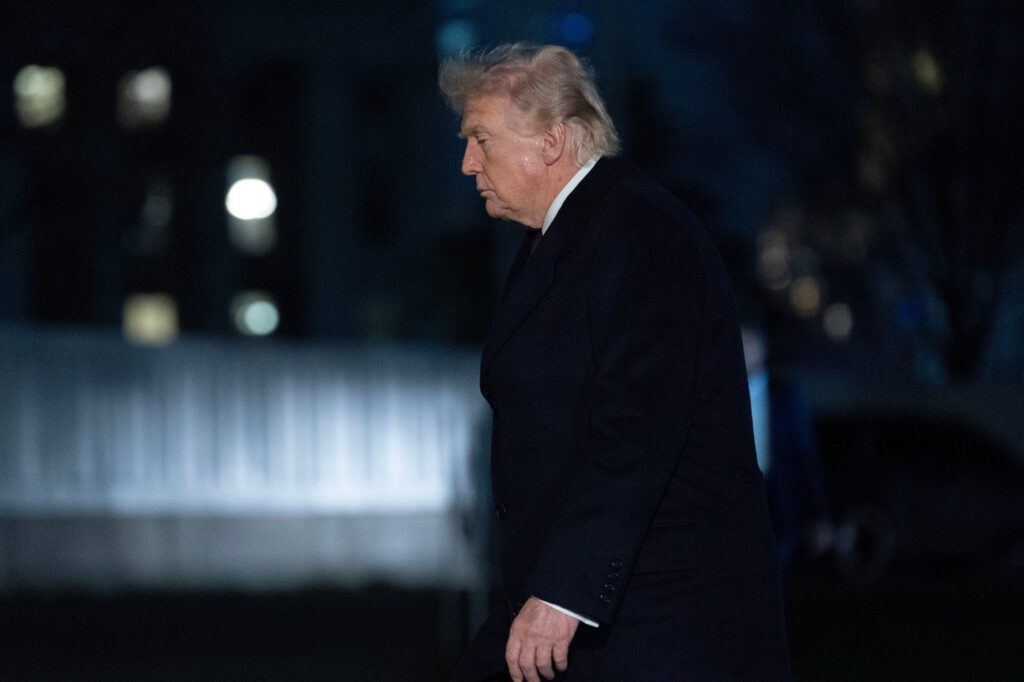
WASHINGTON (AP) — President Donald Trump has indicated the possibility of postponing his anticipated visit to China at the end of the month, driven by a desire to increase pressure on Beijing to assist in reopening the Strait of Hormuz and to stabilize rising oil prices exacerbated by the ongoing Iran war.
In a Sunday interview with the Financial Times, Trump emphasized China's dependence on oil imports from the Middle East, suggesting that it has a role to play in the formation of a new coalition aimed at facilitating oil tanker traffic through the Strait, which has been jeopardized by Iran's threats. Trump stated, “we’d like to know” if China would assist before he embarks on his trip, adding, “We may delay.”
This evolving situation highlights how recent U.S.-Israeli military actions against Iran have altered global political dynamics. A decision to cancel his meeting with Chinese President Xi Jinping could significantly impact U.S.-China relations, already strained by a year of economic conflicts including tariff threats from both nations.
The White House has yet to provide a comment regarding Trump's remarks. The president's statements surfaced concurrently with U.S. Treasury Secretary Scott Bessent's discussions with Chinese Vice Premier He Lifeng in Paris, where they aimed to advance trade negotiations that are critical to Trump's potential visit to Beijing. The U.S. and China are currently in a tariff truce that has temporarily halted reciprocal tariff impositions, but concerns remain high.
Initially, Trump had indicated that the U.S. Navy would escort oil tankers through the Strait amid rising tensions with Iran. However, as oil prices surged, the administration is contemplating new strategies, including proposing that other countries contribute warships to the initiative. So far, there has been no formal agreement from any nations to join this coalition.
During a flight back to Washington from Florida, Trump reported that discussions had involved “about seven” nations regarding military support, although he refrained from naming any specific countries. When asked about China, he suggested that an offer had been extended, noting, “China’s an interesting case study,” due to its reliance on Gulf oil. He stated, “So I said, ‘Would you like to come in’ and we’ll find out. Maybe they will, maybe they won’t.”
The ongoing conflict in Iran has led to soaring oil prices, which directly affects U.S. consumers facing increased fuel costs, just as the midterm election season approaches. Meanwhile, China is experiencing economic challenges of its own, recently announcing a slight reduction in its 2026 growth target to 4.5% to 5%, marking its slowest growth forecast since 1991. This means that prolonged disruptions in the Strait could have significant repercussions for China’s economy as well.
Before Trump hinted at the potential cancellation of his trip, a spokesperson for the Chinese Embassy in Washington offered a noncommittal response regarding the request for assistance in ensuring stability in the Strait. The spokesperson noted, “The Strait of Hormuz and waters nearby are an important route for international goods and energy trade. Keeping the region safe and stable serves the common interests of the international community,” emphasizing that all parties must ensure a stable energy supply. Additionally, the spokesperson stated, “As a sincere friend and strategic partner of Middle Eastern countries, China will continue to strengthen communication with relevant parties, including parties to the conflict, and play a constructive role for de-escalation and restoration of peace.”








