

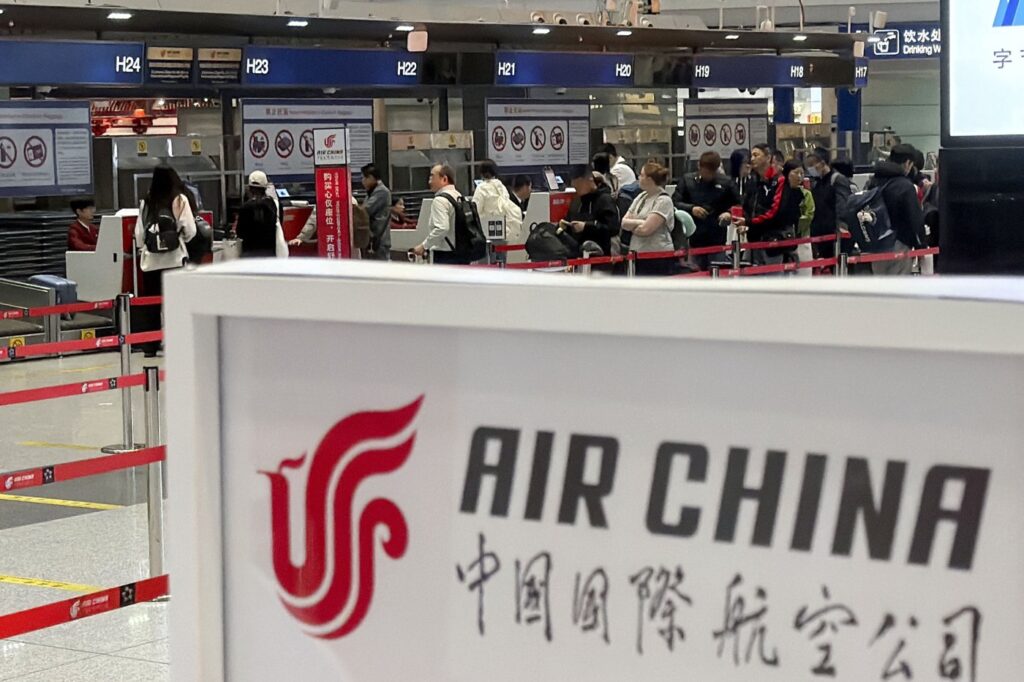
On March 30, 2026, China's national airline, Air China, resumed direct flights between Beijing and North Korea's capital, Pyongyang. This move comes shortly after the revival of passenger train services between the two capitals, which had been suspended since the COVID-19 pandemic began in 2020. The resumption of flights marks a significant step in the re-establishment of transportation links between China and North Korea, as the two nations work towards restoring normalcy in their interactions.
The first Air China flight was greeted by the Chinese ambassador to North Korea, Wang Yajun, alongside various other diplomats, as reported by Chinese state media. This resumption follows the reinstatement of the passenger train service, which was revived on March 12, 2026, indicating a gradual lifting of restrictions that have affected the movement between the two countries for several years.
During the pandemic, North Korea imposed a complete ban on foreign tourists, severely affecting its tourism sector, which had relied heavily on visitors from China—who accounted for 90% of all foreign tourists prior to the pandemic restrictions. While the ban is easing, reports suggest that a Russian tour group is scheduled to enter North Korea in 2024, marking the first cautious steps towards reopening borders to international tourism.
Both flights and train services had been halted due to the pandemic, signaling a period of isolation for North Korea. However, North Korean carrier Air Koryo had already resumed flights between the two capitals in 2023, reflecting an earlier attempt to reconnect with the outside world. The gradual reopening of these transportation links indicates a level of cooperation between China and North Korea amidst ongoing geopolitical tensions.
It's also important to note that while China is North Korea's largest trading partner and a key ally, Beijing has expressed its concerns over North Korea's missile test-launches. These tests have raised alarms in nearby nations such as South Korea and the United States, leading to a complex relationship where economic partnership is sometimes overshadowed by security issues.
In September 2023, North Korean leader Kim Jong Un made a visit to Beijing to attend a large military parade, an event that marked the first time in decades a North Korean leader participated in a Chinese military parade. This attendance underscores the intricate ties between the two nations and hints at the underlying strategic cooperation despite varying political agendas.
Overall, the resumption of flights and train services between China and North Korea highlights significant developments in their bilateral relations post-pandemic. As both nations navigate the complexities of their historical ties and contemporary challenges, these actions reflect a desire for increased engagement and potential collaboration in the future.








