

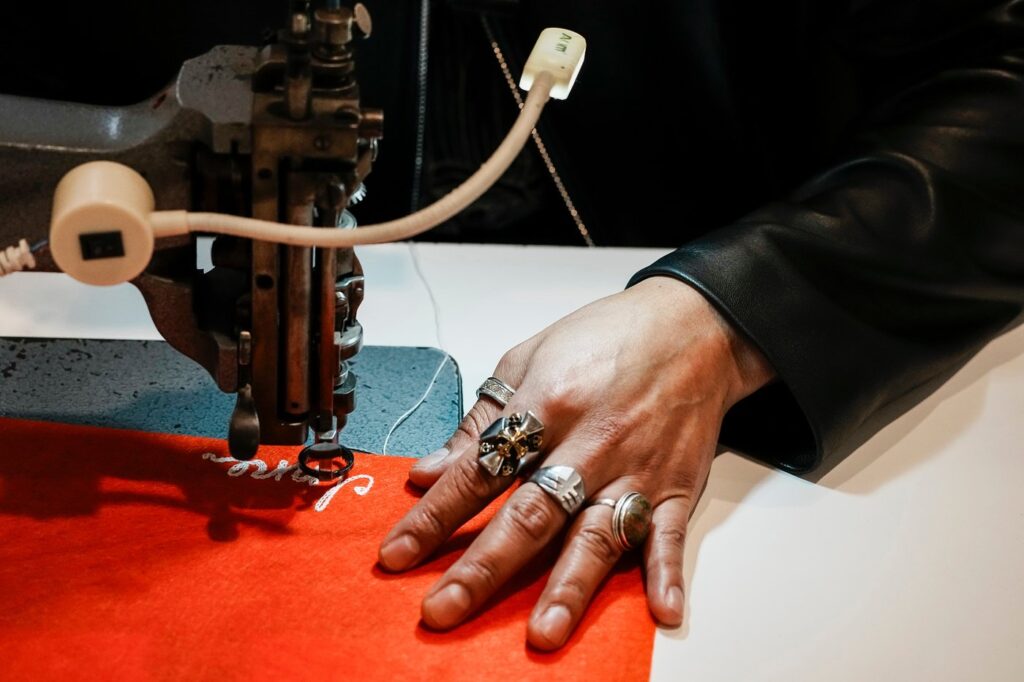
According to recent reports, there is a noticeable decline in the number of tailors, dressmakers, and custom sewing specialists across the United States, despite a growing demand for their services. Younger consumers are increasingly turning to these artisans to tailor ready-made clothing, revamp thrifted garments, and extend the lifespan of their wardrobes. This rise in demand highlights a renewed appreciation for personalized clothing alterations and sustainable fashion practices.
Kil Bae, a seasoned tailor based in New York, emphasizes that the increased popularity of weight-loss medications such as Zepbound and Wegovy has prompted more individuals to seek alterations as their body shapes transform. This trend reflects broader societal shifts concerning health and body image, leading many customers to prioritize fit and comfort in their apparel. However, the industry faces a significant challenge: the pool of skilled workers is dwindling as experienced artisans retire without a sufficient influx of new talent to replace them.
In a proactive response to this pressing issue, the Fashion Institute of Technology (FIT) has collaborated with Nordstrom to launch a training program aimed at addressing the skills gap in the tailoring profession. This initiative seeks to cultivate a new generation of skilled sewers, ensuring that high-quality tailoring services remain accessible as traditional tailors age out of the industry.
In recent years, the art of tailoring has gained traction among younger shoppers, who are increasingly aware of the environmental impact of fast fashion and are actively seeking ways to make their clothing choices more sustainable. By working with tailors, these consumers not only modify garments to fit better but also invest in the durability and longevity of their wardrobe staples. This shift towards quality over quantity in fashion consumption has the potential to benefit both artisans and eco-conscious shoppers alike.
The current situation underscores the importance of retaining and cultivating skilled labor within the tailoring industry. As demand continues to grow, it is crucial that educational programs and apprenticeship opportunities are made available to attract new talent. Tailors such as Marco Lema, who work at Nordstrom headquarters, represent the future of the profession and serve as inspirations for those looking to enter the field.
As the tailoring industry evolves, it reflects broader trends in consumer behavior and societal values. With younger generations seeking personalized clothing solutions and sustainable practices, the revival of artisanal tailoring could help rewrite the narrative of modern fashion. It is essential for industry stakeholders to recognize this opportunity and invest in the education and training of new tailors, ensuring that high-quality craftsmanship endures in an age dominated by mass production.
The growing demand for tailoring services, paired with a shrinking workforce, presents both a challenge and an opportunity for the future of the industry. As society shifts toward more eco-conscious choices, embracing tailored solutions may not only satisfy consumer demands but also promote a more sustainable fashion ecosystem. Through efforts like the collaboration between FIT and Nordstrom, the hope is to reinvigorate the tailoring profession, ensuring its survival for generations to come.








