

From May 8 to May 14, 2026, significant events unfolded across Latin America and the Caribbean, highlighting ongoing social and environmental issues that have captured public attention.
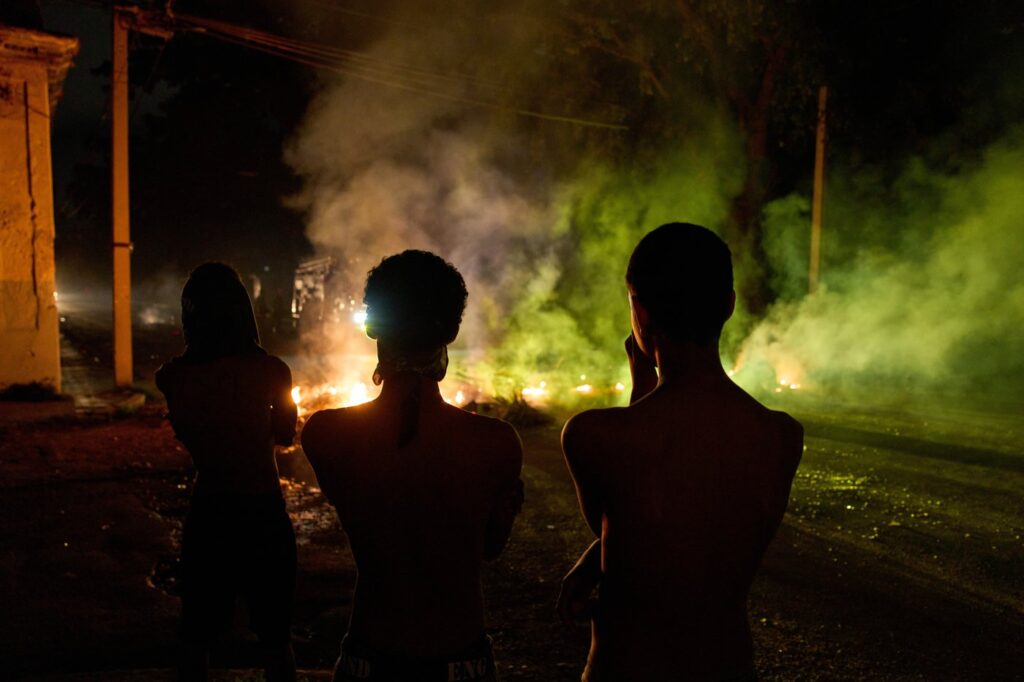
In Cuba, a critical failure in the national energy grid led to widespread power outages, particularly affecting the eastern provinces of the island. Residents in the capital city, Havana, also experienced persistent blackouts that fueled frustration and unrest. Reports indicated that some residents responded by constructing burning barricades to protest against the prolonged outages, indicating rising tensions related to essential public services and infrastructure failures.
Meanwhile, Colombia is grappling with an environmental crisis in the Cienaga Grande de Santa Marta wetland. An aggressive invasive plant species, native to Asia and known as water hyacinth (Eichhornia crassipes), has proliferated in the region. This rapidly expanding vegetation threatens local fishing routes and clogs waterways, severely impacting the livelihoods of communities dependent on the lagoon's resources for their sustenance. As environmental challenges mount, the repercussions on local economies and ecosystems are becoming increasingly evident.
In Argentina, expansive crowds took to the streets of downtown Buenos Aires to express their discontent regarding budget shortfalls that are jeopardizing the financial stability of the country's higher education system. Protesters marched toward the government headquarters, demanding sufficient funding for public universities, highlighting the importance of education in securing a better future for the nation's youth. The demonstrations showcased the public's commitment to defending educational opportunities against economic constraints.
These incidents are part of a broader pattern of civil unrest and ecological challenges that many countries in the region are currently facing. In addition to protests in Cuba and Argentina, other notable events included a demonstration in Port-au-Prince, Haiti, where a resident kneels before police demands for law enforcement to combat gang violence in their neighborhood. In Paraguay, military students marched during the 215th Independence Day parade, showcasing national pride amid ongoing issues. In El Alto, Bolivia, highways experienced minimal traffic as Aymara farmers blocked roads to voice their opposition to government policies, while in Lima, Peru, vendors engaged in local markets amid the chaos of political strife surrounding food security.
Furthermore, various cultural events and celebrations were observed throughout the week, including the Christ of May procession in Santiago, Chile, where street artists painted religious images and faithful participants came together to celebrate their beliefs. Meanwhile, activities in Brasília, Brazil, were marked by the silhouette of the iconic Brasília TV Tower against the skies, serving as a reminder of the city's significance in the nation’s political landscape.
As these events unfold across different nations, they reflect the interconnectedness of social justice, environmental crises, and the ongoing struggle for essential services. Citizens are mobilizing and voicing their demands for change, illustrating the urgency of addressing these critical issues in Latin America and the Caribbean.








