

HAVANA (AP) – Cuba’s national energy grid experienced a significant breakdown early Thursday, resulting in a total power outage across the eastern provinces. This incident compounded the ongoing blackouts faced by residents in the capital city of Havana. The state power company, the Electric Union, confirmed that the failure affected all eastern provinces, from Guantánamo to Ciego de Ávila, and reported that repair crews were actively working to restore power, although no timeline was provided for when electricity would be fully restored.
The crisis in Cuba's aging power grid has been exacerbated in recent years due to a prolonged economic downturn. This situation has been further intensified by a persistent U.S. energy blockade, which has complicated daily life for many of the island's 10 million inhabitants. In light of this energy crisis, President Miguel Díaz-Canel characterized the energy situation as “tense,” particularly following the depletion of oil supplies delivered by a Russian tanker in late March. Currently, Cuba produces only about 40% of the fuel necessary to sustain its economy.
In response to the ongoing energy crisis, Russia announced plans to send a second fuel shipment to Cuba in early April. Reports indicate that the oil tanker departed from the Russian Baltic port of Vysotsk in January, but has been immobilized in the Atlantic Ocean for several weeks without progressing toward its destination.
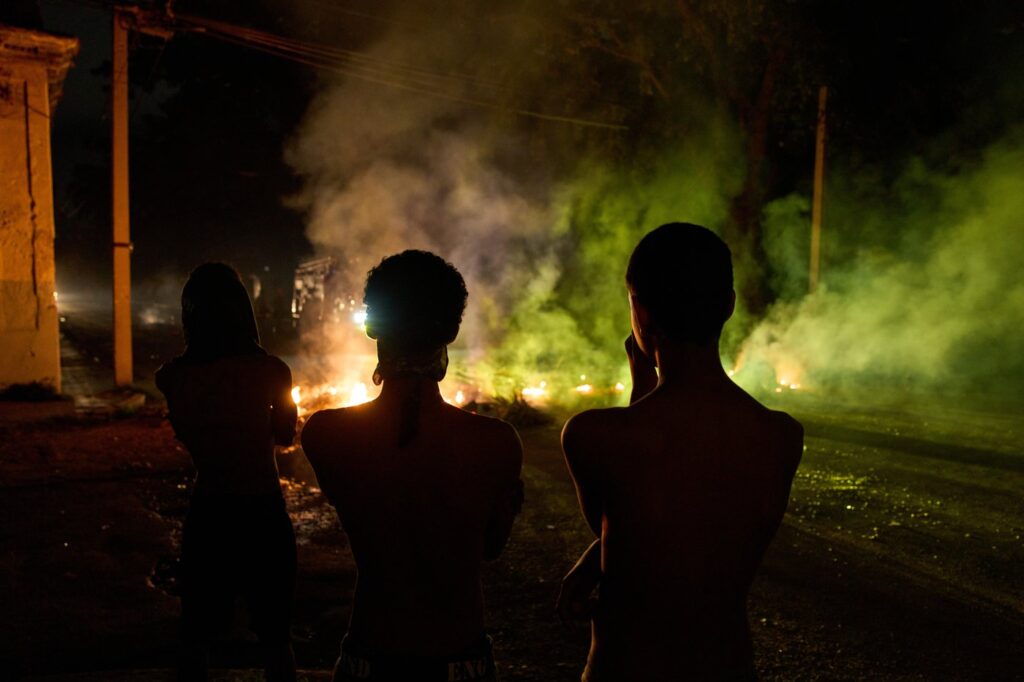
The situation reached a critical point as power outages in Havana extended up to 24 consecutive hours on Thursday. On the previous day, local residents expressed their frustration by banging pots and pans and igniting trash cans in protest against the persistent blackouts. Amid these escalating tensions, Energy and Mines Minister Vicente de la O Levy appeared on Cuban television to declare the energy situation as “critical.”
As the power grid continues to deteriorate, the Cuban government has attributed some of the outages to the impact of U.S. sanctions. These sanctions have increased since President Donald Trump’s administration warned in January of potential tariffs on any country providing oil to Cuba. The Trump administration has made it clear that lifting the sanctions is contingent upon Cuba releasing political prisoners and making strides toward political and economic reforms.
The pervasive blackouts have led to a series of adverse consequences, including reduced working hours and food spoilage due to non-functioning refrigerators. Alarmingly, several hospitals have had to cancel surgeries as a result of the energy crisis. The energy situation in Cuba has reached alarming levels, requiring urgent attention to mitigate its far-reaching effects on the population.
For ongoing updates on the situation in Cuba and throughout Latin America and the Caribbean, visit the associated news coverage resources.








