

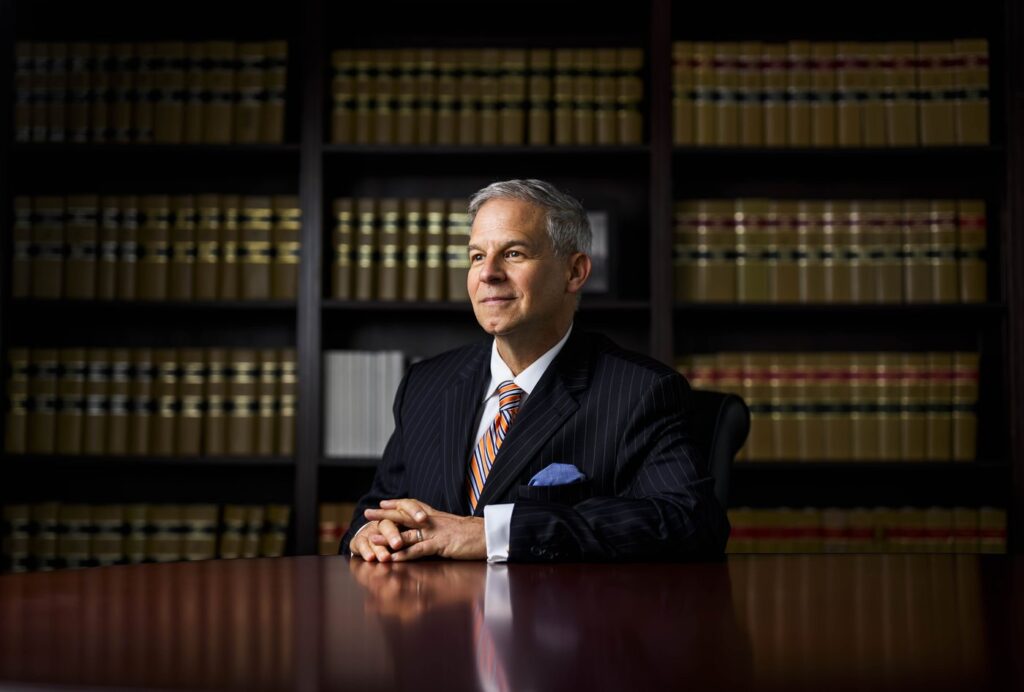
OTTAWA — The Chief Justice of the Federal Court, Alan Diner, has highlighted a significant surge in immigration cases over the past six years, leading to overwhelming workloads for the court. Diner, who has served in this role since July 6, 2021, noted that when he joined the court in 2014, the number of annual immigration cases ranged between 5,000 and 6,000. By 2021, that number escalated to 9,700, and it is projected to exceed 33,000 cases in the current year alone.
In an effort to address this mounting pressure, Diner described the work ethic of the judges and court staff, stating that they are working diligently, including nights, weekends, and during vacations. This increased demand is primarily due to a rise in permanent and temporary immigration, as well as asylum claims, largely influenced by the aftermath of the COVID-19 pandemic. As of the first half of this year, over 14,000 immigration cases were filed, with an additional 28,000 pending, alongside nearly 1,000 cases that have been granted hearings for judicial review.
Diner acknowledged the challenges faced by the court, expressing pride in the response from judges and court staff amidst the unprecedented workload. He pointed out the additional strain created by Canada's border security bill, C-12, which restricts the Immigration and Refugee Board to hearing refugee claims made within the first year of a person's arrival in Canada. This law, which applies retroactively to individuals arriving after June 24, 2020, has resulted in a surge of more than 2,000 applications contesting its constitutionality, further taxing Federal Court resources.
Since the introduction of C-12, there has also been a notable increase in requests for stays of deportation, rising from 300 to over 1,100 applications annually. Diner emphasized the need for additional judges to manage the expanding case load effectively, as the Federal Court has not seen an increase in its judicial staff despite a 600 percent spike in immigration cases since 2020.
In response to this predicament, Diner stressed the importance of innovation and modernization within the court system to improve efficiency. He mentioned ongoing initiatives to enhance digitization and explore automation and artificial intelligence tools to help alleviate the burden of high caseloads. Although he clarified that AI would not be used for decision-making, it could support administrative functions within the court.
Immigration-related filings comprised approximately 86 percent of the Federal Court's total matters in the first half of the year, consistently representing the majority of cases brought before the court annually. However, the demand for justice is also increasing in other areas, including national security issues, class actions, and judicial reviews. Diner cautioned that relying on extensive overtime is not a sustainable solution and can lead to burnout and diminished well-being among court personnel.
A spokesperson for Justice Minister Sean Fraser indicated that the minister is aware of the Federal Court's escalating workload and is committed to facilitating access to justice. The spokesperson elaborated that both the department and the minister are actively evaluating requests for additional resources, emphasizing the importance of evidence regarding growing caseloads and backlogs in these considerations.
Conservative immigration critic Michelle Rempel Garner noted that the rising caseloads should not be surprising, as they correspond with increases in immigration throughout the past decade. She also expressed concern about the government's long-standing issues managing immigration matters, stating that they should reassess the situation to address the root causes of the increased court volume.
The Federal Court registry recently issued a notice indicating that processing times for documents have extended due to the "significant surge" in filings, with delays now potentially reaching up to eight weeks, particularly for immigration cases. As Chief Justice, Diner emphasized that improving efficiency remains one of his primary goals, while also advocating for the well-being of judges and court staff under such demanding conditions.








