

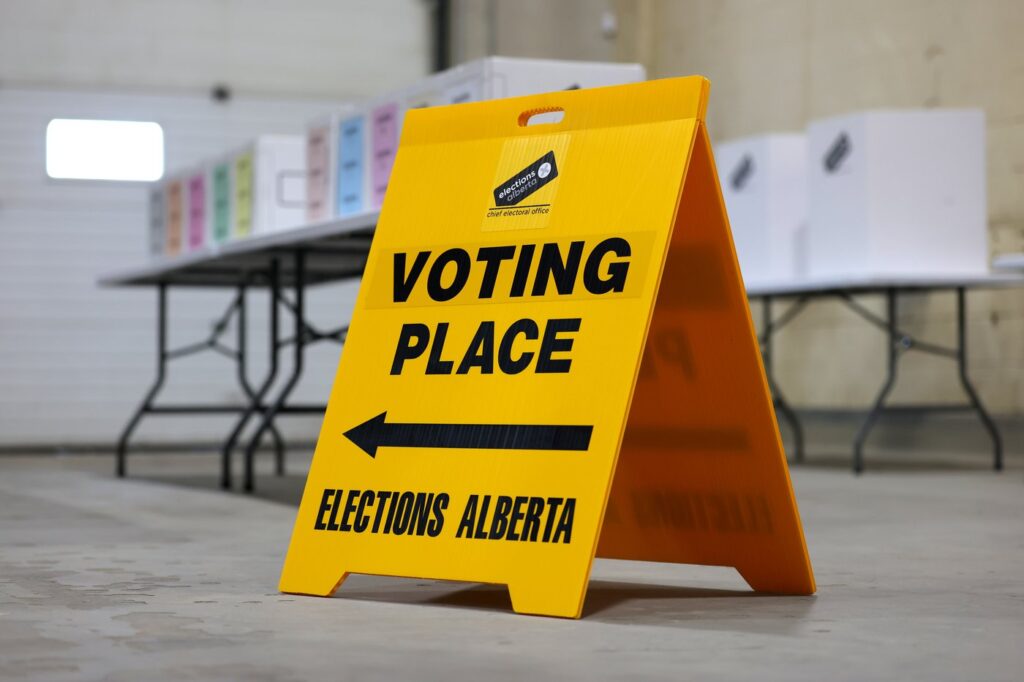
EDMONTON - The province of Alberta is gearing up for a significant event as referendum day approaches on Monday. This provincial referendum features 10 questions that cover a range of topics, including immigration policy, constitutional reform, and a pivotal question regarding Alberta's status within Canada. Voters will also consider whether to hold a binding second referendum on the province’s potential secession from the country.
Advance voting locations were opened on Tuesday and will remain accessible until Saturday night. On the day of the referendum, over 1,400 polling stations will be operational from 9 a.m. to 8 p.m., accommodating nearly three million Alberta electors.
Preparation for Voting
Voters are encouraged to familiarize themselves with the ballot questions ahead of time, which can be found on the Elections Alberta website. This preparation is designed to minimize confusion and delays at polling stations. Officials are anticipating a historic turnout, projecting that between 80 and 85 percent of eligible voters will participate in the referendum. While there is no strict time limit for filling out the 10 ballots, officials estimate that most voters will take approximately two minutes to complete the process.
Identification Requirements
To vote, individuals should ideally have received a "where to vote" card in the mail if they are registered. For those who haven’t received this information, Elections Alberta’s website provides details on where to vote. Voters must cast their votes in their electoral division, either during advance voting or at their designated location on the day of the referendum.
Identification is mandatory for voting. Voters need to present one piece of government-issued ID that displays their correct name, current address, and photo, such as a driver's license. Alternatively, two pieces of ID that both contain the voter's full name are acceptable, as long as one shows the current address. A comprehensive list of 50 acceptable forms of ID can be found on the Elections Alberta website, which includes options ranging from a library card to a bank statement or vehicle registration. Furthermore, Elections Alberta will accept expired forms of ID as long as they contain the correct name.
In unique situations, a voter may also present an attestation form signed by an authorized person, such as a First Nation band manager or staff from student housing, as proof of eligibility.
Registration Status
If individuals find themselves unregistered to vote, they will be required to sign a declaration affirming their eligibility, including confirmation of Canadian citizenship, age (at least 18 years), and residency in Alberta.
Ballot Details
This referendum includes 10 distinct ballots, each in different colors for easy identification. Voters have the flexibility to mark some, all, or none of the ballots according to their preferences. The design ensures that the ballots are placed into separate boxes, streamlining the counting process and reducing the likelihood of errors from the use of a single lengthy ballot.
Voting Process and Results Timeline
Voters who find themselves in line when the polls close at 8 p.m. are advised to remain in line; they will still be permitted to vote. According to legal requirements, the votes must be counted by hand within 48 hours of the referendum. The officials have prioritized the counting of Question 10, which involves the separation issue. Early results are expected to be released shortly after 8 p.m. on Monday, with a complete final count anticipated in the early hours of Tuesday. The results for the remaining nine questions are projected to be finalized and disclosed by Wednesday.








