

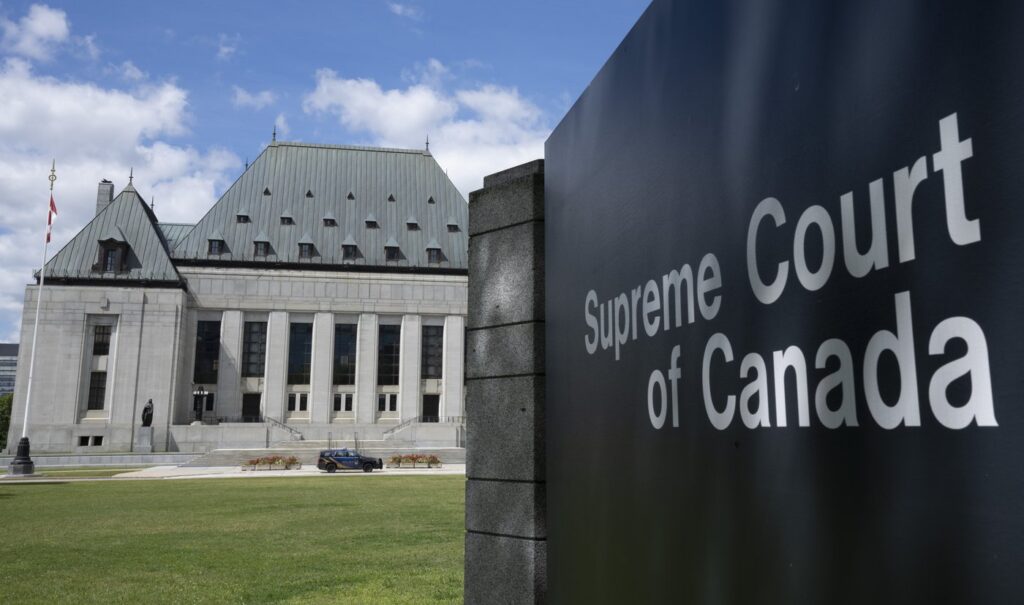
The Supreme Court of Canada has delivered a significant ruling concerning the legal application of the rape shield law, specifically section 276 of the Criminal Code. This decision mandates new trials for two individuals accused of human trafficking and related sexual services offences. The court concluded that the accused should have had the opportunity to cross-examine the complainant regarding the commercial aspects of her previous involvement in sex work.
The case brought to the forefront critical discussions about the limits imposed by section 276, which restricts the use of evidence concerning a complainant's sexual history during court proceedings. This law aims to protect victims from potential humiliation and to ensure that jurors focus on the facts of the case rather than the complainant's sexual behavior. However, the Supreme Court's ruling highlighted that not all offences fall under the stringent limitations of this law.
In this specific case, the individuals were charged with human trafficking and sexual services offences, which are not explicitly mentioned in section 276. This absence from the list raised important legal questions regarding the admissibility of the complainant's sexual history as evidence. The unanimous decision penned by Supreme Court Justice Mary Moreau indicated that section 276 does not apply universally to all sexual offences, including those labeled as human trafficking. It recognized that there are circumstances under which evidence of a complainant's prior sexual history could be deemed relevant to the case.
Justice Moreau articulated that the central issue in this case revolved around demonstrating the commercial component of the complainant's previous sex work. The defence aimed to present evidence indicating that the complainant had voluntarily engaged in sex work in the past, which could potentially challenge claims that she was coerced or recruited by the accused individuals. The court acknowledged that the relevance of such evidence could significantly influence the outcome of the trials.
The implications of this ruling are profound, as they reinforce the balance that must be maintained between protecting the rights of the complainant and ensuring a fair trial for the accused. The decision establishes a precedent for how courts may handle evidence related to a complainant's sexual history in future cases involving human trafficking and related offences.
Furthermore, the ruling invites a re-evaluation of the application of the rape shield law, particularly in cases where the nature of the charges necessitates an exploration of the complainant's past in a way that goes beyond mere sensationalism. This decision underscores the complexity of legal interpretations surrounding sensitive issues such as sexual consent and trafficking, emphasizing that each case may warrant individual scrutiny based on its unique circumstances.








