

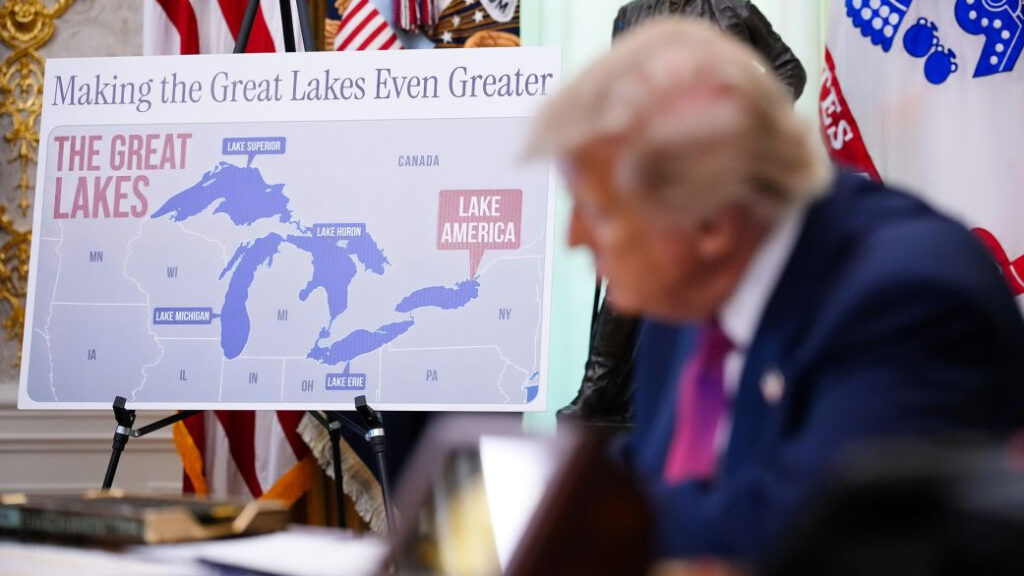
OTTAWA – Google Maps has implemented an update that will show "Lake America" in response to searches conducted by users in the United States. This change reflects a significant shift in the naming convention of the well-known body of water previously recognized as Lake Ontario.
While users in the U.S. will encounter the new name when conducting searches, Canadians will continue to see the traditional name, Lake Ontario, unless they specifically look up the term "Lake America." This discrepancy highlights the different geographical naming conventions adopted by the two nations.
According to a statement released by the technology giant, the update was made in accordance with the changes in the U.S. government's geographic names database, which officially recognized the new nomenclature. This formal change was accelerated by an executive order signed by U.S. President Donald Trump on Thursday. The order not only signals a change in geography but also carries implications in the political landscape between the United States and Canada.
This strategic move came swiftly after a breakdown in trade negotiations between Washington and Ottawa, catalyzing a wave of diplomatic tensions. In response to the stalled discussions, Canada made the decision to impose retaliatory tariffs. This sequence of events adds a layer of complexity to the significance of renaming the lake, as it intertwines both geographic identity and international relations.
In reaction to President Trump's executive order, Canadian Prime Minister Mark Carney issued a statement affirming that Canadians would continue to recognize Lake Ontario by its original name. His remarks suggest a sense of national pride and a strong insistence on maintaining Canada's geographic heritage, despite external pressures from its southern neighbor.
This recent update by Google Maps and the associated political maneuvers stand as a testament to the dynamic interplay between geography, nationality, and identity. As technology plays an increasingly important role in shaping perceptions of the world, the implications of renaming geographic sites extend beyond mere nomenclature, impacting cultural and diplomatic relations as well.
The report concerning this development was initially published on August 30, 2026, by The Canadian Press, highlighting a significant point in the discourse surrounding North American geography and the interactions between the two nations.








