

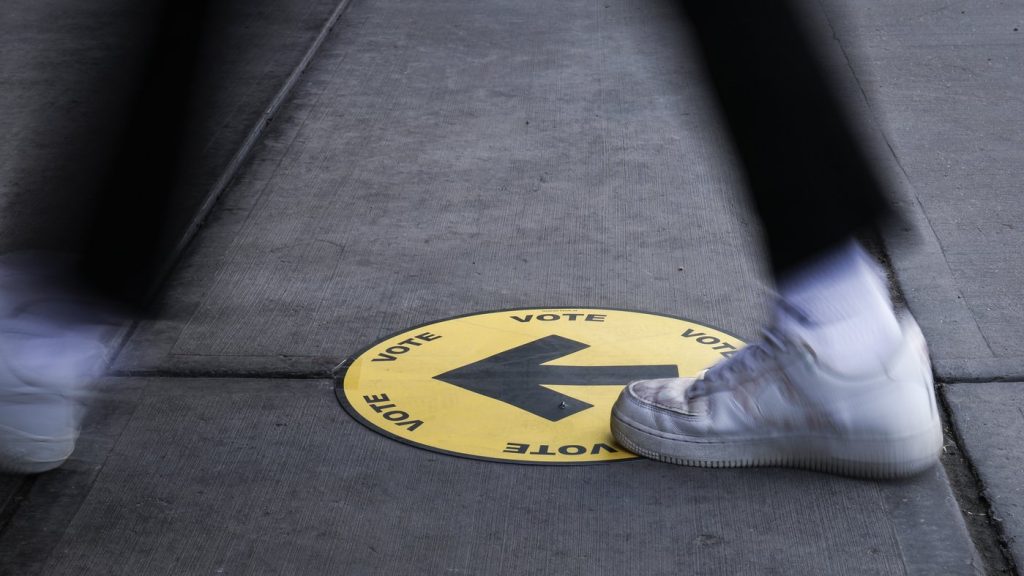
OTTAWA - A trio of federal byelections is scheduled for Monday, set to take place in Quebec, Ontario, and British Columbia. These byelections follow the resignations of former cabinet ministers, with the ridings up for grabs considered relatively safe for the Liberal Party.
Two of the ridings are seen as strongholds for the Liberals, while the dynamics in Quebec could pose a challenge for the Conservative Party, historically strong in the region. A closer analysis of the three races indicates the political landscape's nuances and potential shifts in voter sentiment.
North Vancouver-Capilano
The North Vancouver-Capilano race emerged after Jonathan Wilkinson, a former cabinet minister during the Trudeau administration, stepped down from his seat in June for a diplomatic post in Europe. Wilkinson enjoyed significant support, securing nearly 60% of the vote in the April 2025 electoral cycle.
The Liberals have nominated Braeden Caley, a former senior staff member in the Prime Minister's Office, as their candidate. Caley previously served as Mark Carney’s deputy chief of staff and is making a return to his home province for this electoral bid. In contrast, the Conservative candidate, Stephen Curran, a commercial lawyer, managed to garner just over 33% of the vote in 2025, finishing second to Wilkinson. He has launched social media attack ads scrutinizing Caley's local connections.
The New Democratic Party (NDP) candidate, Stephen Tweedale, is a party staffer for the local MLA. In the previous election, the NDP received a mere four percent of the vote, indicating a challenging environment for them in this byelection.
Beaches-East York
In the Beaches-East York riding, Nate Erskine-Smith has decided against representing this Toronto-area seat, leaving the door open for new candidates. Erskine-Smith, who was first elected in 2015 and briefly served as a cabinet minister, previously intended to pursue the provincial party leadership but withdrew from that race after losing a nomination contest earlier this year.
Running for the Liberals is Tanveer Shahnawaz, who previously served as Erskine-Smith’s constituency office manager. In 2025, Erskine-Smith achieved a substantial victory, winning with over 67% of the vote, a significant lead of 23 points over the closest Conservative candidate.
The NDP has once again nominated Shannon Devine, a labor leader and activist who finished third in the prior election, while Jim Sybros is the Conservative representative in this contest.
Chicoutimi-Le Fjord
Chicoutimi-Le Fjord, a rural Quebec riding located approximately 200 kilometers north of Quebec City, is regarded as the race to watch. The previous election in April 2025 saw a tightly contested battle where incumbent Richard Martel, a Conservative former junior hockey coach, narrowly secured victory. Martel left his position to be nominated for a Senate seat by Mark Carney.
The Liberal candidate, Daniel Gobeil, is a dairy farmer and former president of a provincial dairy association, aiming to capture the rural vote amid challenges posed by U.S. tariffs under President Donald Trump, particularly affecting the local aluminum and forestry industries.
Political analysts believe that despite pressures from U.S. trade policies, the Liberal government maintains support in Quebec. Daniel Béland, a political science professor, highlighted the unpopularity of Trump in Quebec and suggested that the recent decisions made by the Liberal government regarding trade negotiations may play favorably in the byelection outcomes. A recent Angus Reid Institute poll revealed that a significant majority of Canadians supported the government’s stance, with 85% approval in Quebec.
The potential impact of these byelections is particularly notable for Conservative Leader Pierre Poilievre. If the Bloc Québécois or Liberals succeed in Chicoutimi-Le Fjord, it could suggest a decline in support for Conservative leadership. The political stakes are lower than in previous byelections, with the Liberal Party holding a majority of seats in the House of Commons and only three ridings left unfilled.
As voters head to the polls, the low turnout usually associated with late-summer byelections, alongside the ongoing provincial election campaign in Quebec, could introduce uncertainties in the results.








