

In the aftermath of the September 11 attacks, Jeff Price, an aviation security expert, experienced a poignant moment while on a flight from Hawaii back to Colorado. Barely a week after the tragic events, the pilot addressed passengers, asking for their support in the event of a hijacking, highlighting the immediate and profound changes in the aviation security landscape.
Prior to 9/11, airport security screenings in North America were relatively lenient, allowing passengers to access gates without presenting a boarding pass or identification. Price reflects on this lost ease by stating that air travel used to be a fun adventure with minimal inconvenience at security checkpoints. Passengers could freely walk to gates with family and friends, creating a seamless travel experience.
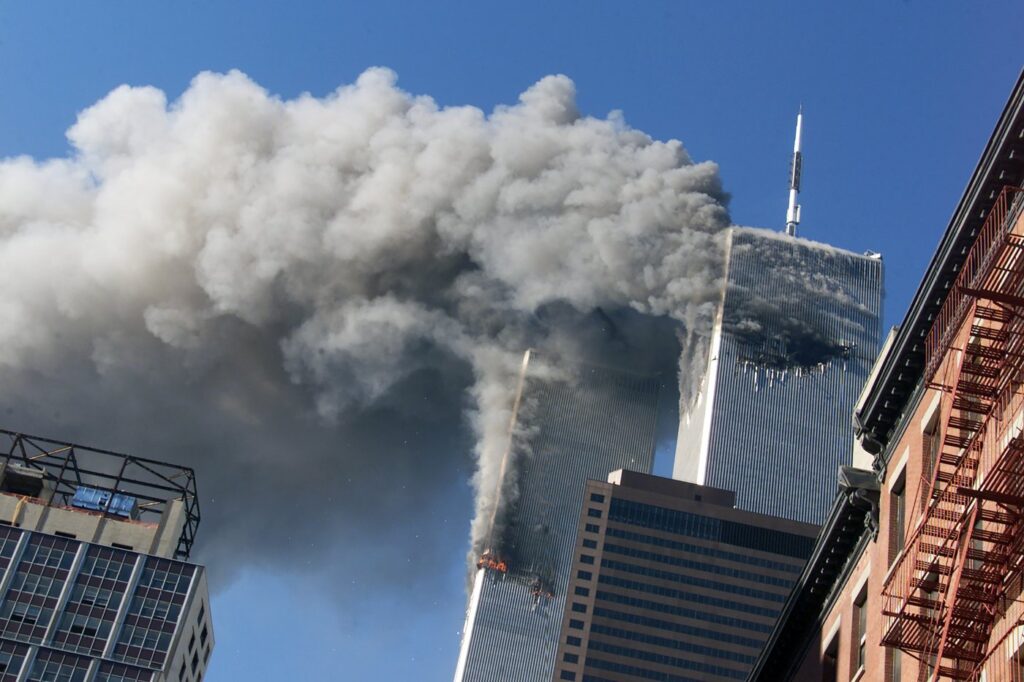
However, the horrific events of September 11, 2001, where 19 hijackers took control of commercial jetliners and perpetrated attacks resulting in nearly 3,000 deaths, shifted the paradigm. The realization of vulnerabilities in airport security led to a fundamental transformation. Security agencies, now empowered with a standardized training regimen, took over the responsibility of passenger screening, which was previously managed by airlines and often outsourced to contractors. The Canadian Air Transport Security Authority, established in April 2002, took charge of these screenings, replacing the mixed quality of service that characterized the old system.
In the years following the attacks, a series of stringent security measures were introduced. Passengers were now required to remove shoes, present laptops separately, and limit liquids to 100 milliliters. Additionally, the previous allowance of small knives with blades up to 10 centimeters was rescinded, and metal utensils were removed from in-flight service. Price noted that these changes led to longer lines at security as screeners took additional time to inspect luggage and other items.
Furthermore, airlines had to implement various upgrades, such as reinforced cockpit doors and more rigorous screening protocols for employees, while cabin crew were trained to identify suspicious behavior during flights. Benoit Gauthier, a former Air Canada pilot, supports this view by identifying the vast improvements in safety measures as the most significant change post-9/11. The initial confusion in security practices led to unforeseen circumstances, such as a colleague of Gauthier who had a shaving razor confiscated, prompting an exaggerated response from airport security.
In recent years, some aspects of security screening have evolved. For instance, the requirement for passengers to remove their shoes was relaxed in Canada in 2009 and its elimination was also adopted in the United States recently. Additionally, advanced CT X-ray scanners, operational in 10 Canadian airports, provide thorough 3D images of baggage, significantly streamlining the screening process by reducing the need for passengers to remove laptops and liquids.
However, time-consuming verifications of tickets and identification remain, with long lines especially noticeable during peak travel times. John Gradek, an aviation management instructor, highlights the shift in passenger behavior since before 9/11, where arriving merely 15 minutes before departure was manageable. Today, travelers are advised to arrive at least two hours prior.
The integration of biometric technology aims to enhance the travel experience, raising both efficiency and concerns over personal data privacy. In December 2024, Air Canada became the first airline in Canada to use facial recognition technology at gates, significantly expediting boarding processes by allowing certain passengers to board without traditional identification documentation. The implementation of such systems by both Air Canada and U.S. Customs and Border Protection during preclearance at Canadian airports has opened discussions around privacy implications, data management, and ethical considerations surrounding facial recognition technology.
Overall, the security landscape in air travel has been significantly reshaped since the tragic events of 9/11, instilling a new norm of caution and vigilance that persists in modern aviation.








