

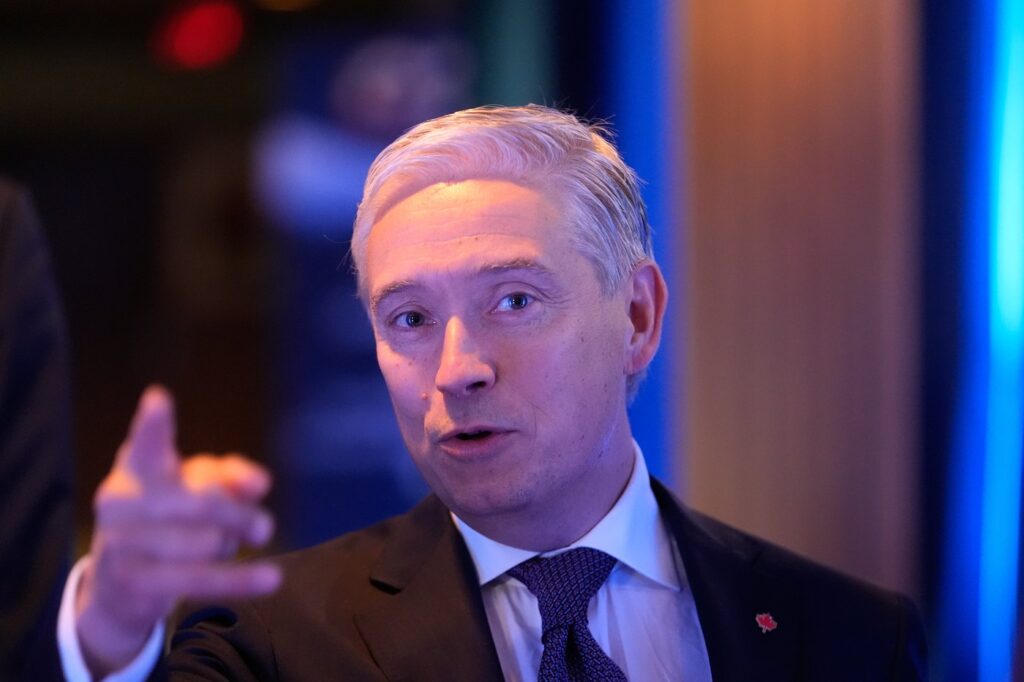
OTTAWA – Finance Minister François-Philippe Champagne is scheduled to meet with U.S. Treasury Secretary Scott Bessent on the sidelines of the G20 finance ministers' meetings taking place in North Carolina this week. This much-anticipated meeting represents a significant moment for both nations, particularly given the recent downturn in trade talks.
Champagne's spokesperson, John Fragos, confirmed the meeting in a media statement, stating that it will occur over the next two days. This engagement marks the first direct interaction between high-ranking officials from Canada and the U.S. since the breakdown of trade negotiations a mere 10 days ago, which has subsequently led to a rise in tariff disputes between the two neighboring countries.
U.S. Treasury Secretary Bessent also confirmed the meeting on CNBC, where he attributed the failure of the trade talks to Prime Minister Mark Carney’s political strategy. His remarks suggest a continuing strain in U.S.-Canadian relations, emphasizing the complexities of bilateral negotiations amid rising economic tensions.
According to Fragos, Canada opted to withdraw from the negotiation table after the U.S. introduced terms that were described as "unfair and uneconomic" at the last moment. This decision highlights Canada’s commitment to ensuring that any agreements are equitable and sustainable, reflecting its stance on fair trade practices.
Minister Champagne aims to convey a message of shared prosperity during his bilateral discussions at the G20 summit. His overarching goal is to diversify Canada's trading relationships, reducing reliance on any single partner and fostering stability within Canadian trade frameworks. The significance of this mission cannot be understated, especially as Canada navigates an increasingly contentious economic landscape defined by tariffs and trade disputes.
As global leaders convene in North Carolina, the outcome of Champagne's discussions with Bessent could have far-reaching implications for trade relations between Canada and the U.S. Stakeholders in both countries will be closely observing the developments as they could signal a potential thawing of tensions or further escalation in the ongoing tariff conflicts. The focus remains on finding common ground that could rejuvenate not only bilateral trade but also cooperation on broader economic issues impacting both nations.








