

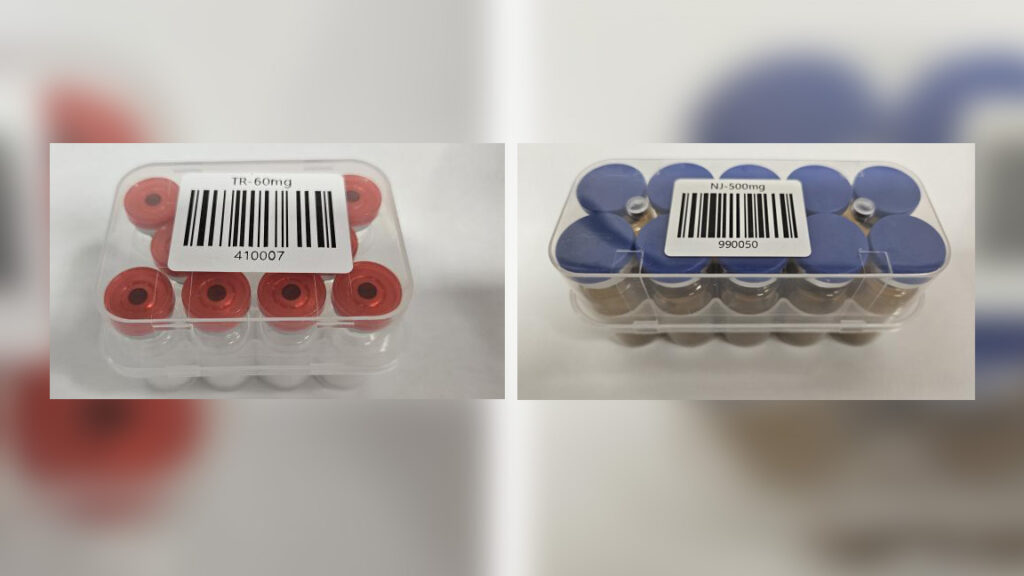
Health Canada has issued a warning following the discovery of dangerous bacteria in over 11,000 vials of unauthorized peptides seized from multiple online retailers. This alarming revelation came after tests were conducted on more than 11,400 vials associated with injectable peptides from Shanghai ERP Peptide Biotechnology Co. Ltd., a Chinese-based wholesaler. The implicated Canadian retailers identified were truenorthbiolabs.ca and bcaxiompeptide.com.
Health Canada stated that these unauthorized peptides are often falsely marketed for purposes such as weight loss, muscle growth, anti-aging, or overall wellness. However, the federal health agency emphasized the substantial and unpredictable health risks associated with these products. It was highlighted that injecting contaminated peptides could lead to severe infections, necessitating hospitalization and, in critical instances, life-threatening complications such as sepsis. The risk of such infections is particularly elevated for individuals with compromised immune systems.
Individuals who have previously used these unauthorized injectable peptide drugs are urged to monitor their health and seek immediate medical attention if they experience any symptoms indicative of serious infections. Symptoms to watch for include redness, swelling, and pain at the injection site, as well as fever, chills, or a general feeling of malaise.
In response to these findings, Health Canada took decisive compliance and enforcement actions, leading to the shutdown of the two identified websites. Moreover, the agency has contacted ERP Peptide, demanding the immediate cessation of illegal peptide sales into Canada. They have also instructed the Canada Border Services Agency to block unauthorized shipments from entering the country.
For the safety of Canadian consumers, Health Canada advises that authorized prescription drugs will contain an eight-digit Drug Identification Number (DIN) on their labels. To confirm whether a drug has been authorized for sale, individuals can consult Health Canada’s Drug Product Database, which serves as an official resource.