

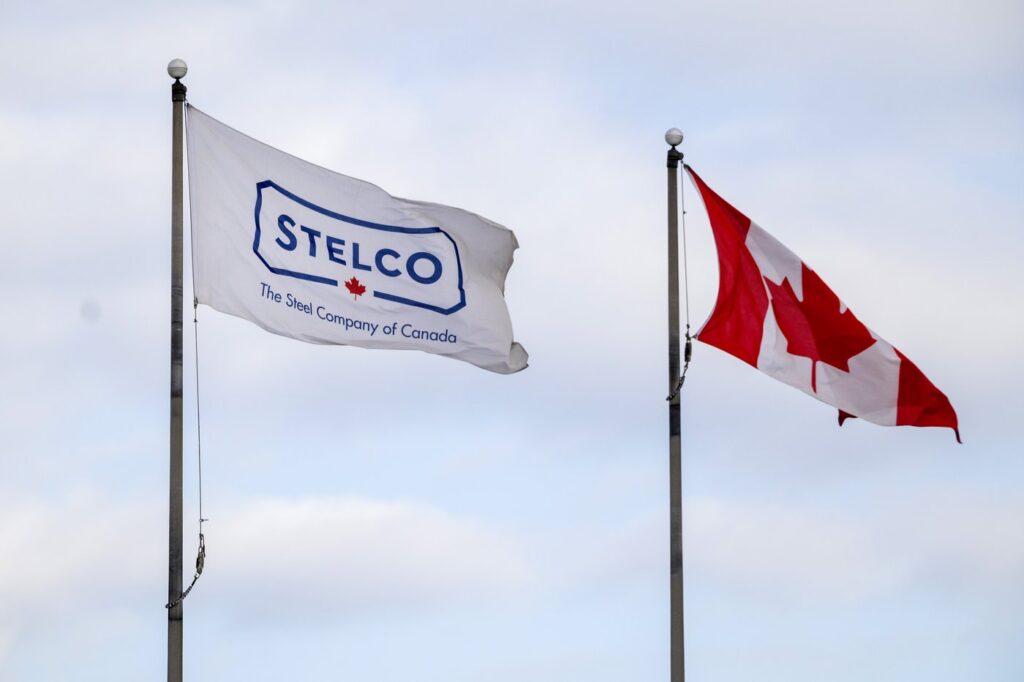
The ongoing labor dispute involving Stelco workers has recently escalated into a significant confrontation between Canadian Industry Minister Melanie Joly and the CEO of Cleveland-Cliffs, an Ohio-based steel producer. This situation centers around the livelihoods of approximately 500 Stelco employees, whose positions are now at risk due to the company’s decision to implement layoffs.
Minister Joly has publicly demanded that Cleveland-Cliffs reverse its decision to lay off Canadian workers. She argues that this action contravenes the commitments made under the original agreement when Cleveland-Cliffs acquired Stelco in 2024. Joly's assertion is that the company’s operational decisions should align with the terms of their acquisition, which were meant to ensure job security for Canadian workers.
In contrast, Cleveland-Cliffs maintains that they have not violated any contractual obligations. The steel producer asserts that the decisions made regarding layoffs are within their legal rights as part of ongoing business operations. This disagreement highlights the complexities of corporate governance and labor relations, especially within the context of cross-border acquisitions.
To gain deeper insights into this labor dispute, Caryn Ceolin, the host of a prominent podcast, engages with Josh Rubin, a business reporter from the Toronto Star. Together, they discuss the timeline of events leading up to the current situation, which has evolved from corporate negotiations to a potential legal battle between the Canadian government and Cleveland-Cliffs.
This situation raises important questions about the possible legal actions that Ottawa could contemplate against the steel giant. As the Canadian government may explore avenues to challenge Cleveland-Cliffs’ decisions, the discussion emphasizes the broader implications of such corporate moves on labor relations and employment across the nation.
The interaction between the Canadian government and foreign corporations also brings to light the intricacies of trade relations between Canada and the U.S. The lost jobs are not just a local issue; they have potential ramifications for the entire steel industry and Canadian workers. The situation underscores the delicate balance that must be managed in trade relationships where foreign companies operate within national borders.
Overall, this unfolding drama is critical for Stelco employees, the broader steel industry, and the Canada-U.S. relationship. As the story continues to develop, both sides will likely prepare for further negotiations or possible legal proceedings, while the impact on the 500 workers hangs in the balance.








