

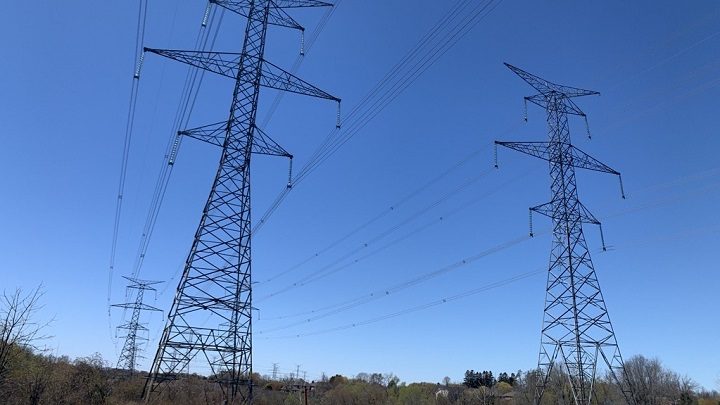
Environment Minister Julie Dabrusin expressed confidence in the federal government's new budget, which allocates billions of dollars in tax credits aimed at encouraging private investment in Canada's electricity grid. The budget, announced on Thursday, includes a significant commitment of $50 billion to implement Ottawa's electricity strategy.
This ambitious strategy is designed to double the size of Canada's electricity grid by the year 2050. More than $38 billion of the total budget is earmarked for tax credits, which the government has assured will remain in place until 2042. These tax incentives are intended to provide the necessary financial support that can spur private sector investment in the expansion and modernization of the grid.
During a conversation with The Canadian Press following the budget announcement, Dabrusin revealed that these financial measures are a direct result of government consultations regarding the electricity strategy. The consultations highlighted the need for a robust financial framework to facilitate the transition toward an enhanced and sustainable electricity infrastructure.
In addition to the tax credits, the federal budget also earmarked $4 billion over the next decade for electricity infrastructure development. This funding includes resources dedicated to a Natural Resources program that is aimed at expanding renewable energy sources across the country. Such initiatives are increasingly viewed as essential for reducing carbon emissions and addressing climate change challenges.
Clean Energy Canada, a prominent advocacy group, expressed support for the emphasis on building a cleaner electricity supply. However, they stressed the importance of the government establishing clear and measurable goals associated with the new investments. Clarity in objectives will ensure accountability and progress towards a more sustainable energy future.
The commitment of substantial funds reflects the government's recognition of the critical role that electricity plays in the transition to a low-carbon economy. By incentivizing private investments and enhancing infrastructure for renewable energy, Canada is positioning itself as a leader in the global effort to adopt cleaner energy solutions.
As the deadline of 2050 for doubling the electricity grid approaches, the measures introduced in the budget signal the government’s determination to not only meet domestic energy needs but also to contribute to international climate commitments. The combination of tax incentives and direct funding is seen as a foundational step in building a resilient and sustainable energy system.