

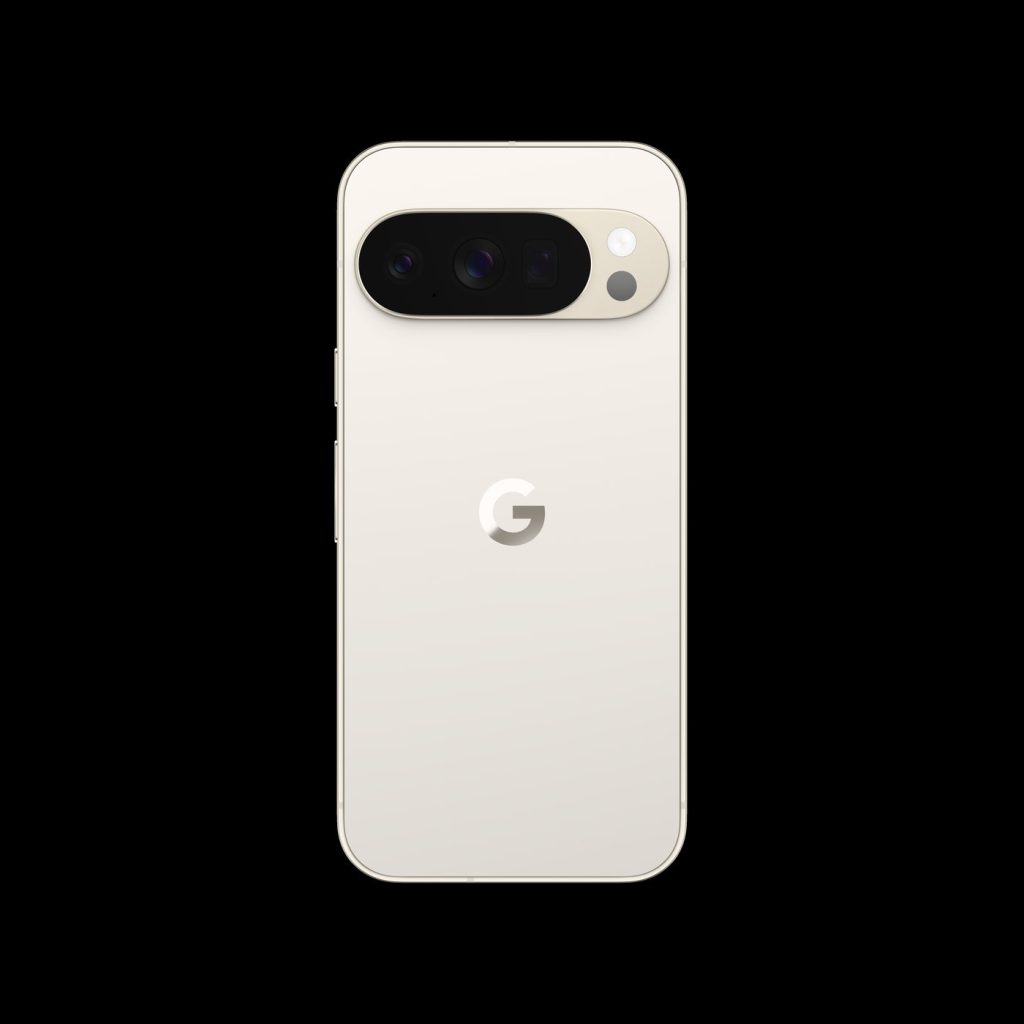
On Wednesday, Google announced a new range of Pixel smartphones that integrate advanced artificial intelligence features, aiming to enhance user experience in areas such as information retrieval and photography. The Pixel 10 lineup, comprising four models, signifies Google’s ongoing commitment to utilizing AI technology, positioning itself against competitors, particularly Apple, whose AI capabilities have lagged behind.
While Apple has made limited advancements in AI for its iPhone, such as a few basic features and a delayed promise for an upgraded Siri, Google has taken a decisive step forward with its new Pixel 10 models. Without directly referencing Apple, Google has been promoting its smartphones through advertisements that highlight their AI capabilities, contrasting them with what it portrays as Apple's delays and shortcomings in delivering promised features.
The new Pixel 10 smartphones leverage a more advanced processor, introducing a feature called “Magic Cue.” This innovative tool acts as a digital mind reader, automatically retrieving relevant information from the user's device when needed. For example, if a user is calling an airline, Magic Cue can instantly recognize the phone number and display any relevant flight details stored in Gmail or Google Calendar.
Additionally, the Pixel 10 line will introduce a preview of the “Camera Coach” feature, which suggests optimal framing and lighting for photographs in real-time, ensuring users can achieve the best possible shots. Furthermore, the premium models—the Pixel 10 Pro and Pixel 10 Pro XL—will include a “Super Res” option that utilizes advanced software and AI to zoom up to 100 times, capturing details from significant distances while keeping the process seamless for the user.
In a strategic move to attract more users, Google is also offering a complimentary one-year subscription to its AI Pro plan for buyers of the more expensive Pixel 10 Pro and Pro XL models. This aims to familiarize consumers with the Gemini toolkit, Google’s competitive answer to OpenAI’s ChatGPT.
The pricing for the four Pixel 10 models remains consistent with last year's Pixel 9 generation: the base model starts at $800, the Pro at $1,000, the Pro XL at $1,200, and a foldable version priced at $1,800. All models, except for the foldable, are expected to hit the shelves on August 28, with the Pixel 10 Pro Fold becoming available on October 9.
Despite the Pixel smartphone’s smaller market presence compared to the iPhone and Samsung’s Galaxy series, Google's advancements in AI suggest a rising competitive dynamic. Expert analysts, like Thomas Husson from Forrester Research, noted the Pixel series as a “true laboratory of innovation” in the current AI landscape.
As Apple prepares to unveil its next iPhone generation next month, it faces increased scrutiny regarding its AI progress. While Apple has acknowledged that enhancements to Siri won't be available until at least next year, it is anticipated that the company will need to demonstrate advancements in AI to prove that the iPhone can evolve alongside rapid technological changes.
Moreover, pricing for the upcoming iPhone will attract attention, particularly given the implications of international trade dynamics that impact manufacturing in China and India. Recently, Apple received some relief from potential tariffs as part of an expansion of its investment in the U.S., which may allow it to keep iPhone prices stable, akin to Google’s pricing strategy for Pixel 10 models.
In summary, Google’s introduction of its new Pixel 10 smartphones marks a significant leap in integrating AI technology, emphasizing the competitive relationship with Apple as both companies navigate the rapidly changing landscape of technology and consumer expectations.








