

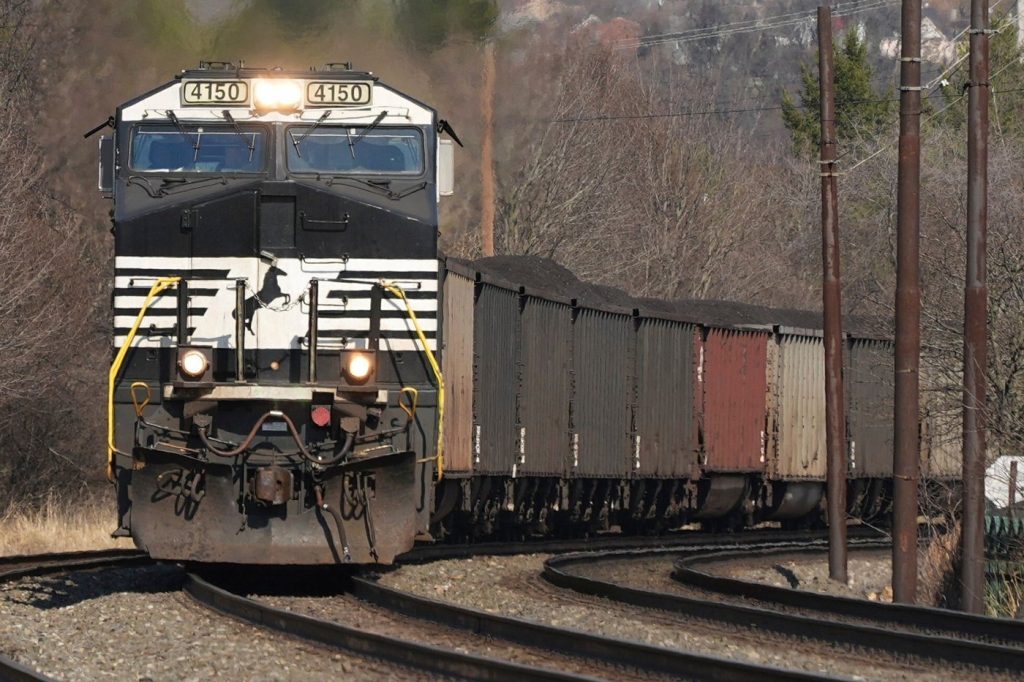
The proposed $85 billion merger between Union Pacific and Norfolk Southern railroads has lost the backing of two significant unions that represent over half of the workers in the sector. These unions expressed concerns that the merger could elevate safety risks, lead to higher shipping rates, and cause considerable disruptions in service. The Brotherhood of Locomotive Engineers and Trainmen and the Brotherhood of Maintenance of Way Employes Division have emerged as prominent critics of this merger, which aims to create the country’s first transcontinental railroad. They join various stakeholders, including the American Chemistry Council and several agricultural groups, in expressing apprehension about the potential detrimental effects on competition.
Despite the dissent from these unions, the merger has garnered support from the nation's largest rail union, which represents conductors, as well as individual shippers and an endorsement from former President Donald Trump. The U.S. Surface Transportation Board is set to begin reviewing the myriad opinions surrounding the merger once Union Pacific and Norfolk Southern submit their formal application later this week.
Union Pacific CEO Jim Vena argues that establishing a coast-to-coast railroad would enhance economic efficiency by facilitating quicker deliveries without the need for transferring shipments between different railroads. He also claims it would provide stronger competition against the trucking industry. However, union leaders remain skeptical about the benefits promised by Vena, especially regarding job security for current employees, which they believe lacks necessary detail.
Concerns regarding safety and shipping costs are shared widely among the unions. Mark Wallace, National President of the Brotherhood of Locomotive Engineers and Trainmen, stated, "This proposed monopoly will end up costing businesses more, and those costs will be passed on to consumers." He highlighted fears that the merger would make rail transport less appealing as the revised structure might lead to the offloading of rail lines serving smaller communities to short line railroads, ultimately resulting in subpar service and higher costs for consumers.
Throughout the past two and a half years, Norfolk Southern has implemented several safety improvements following a significant derailment in East Palestine, Ohio. Nevertheless, skepticism about the potential safety outcomes of the merger remains prevalent among industry experts and union leaders alike.
Both Vena and Norfolk Southern CEO Mark George express optimism regarding the merger's approval, citing its potential benefits for the country, customers, and railroad workers. However, this agreement will undergo stringent review by the Surface Transportation Board, which has committed to a rigorous evaluation process due to past unfavorable rail mergers that resulted in service delays.
Transportation expert Joe Schwieterman voiced concerns about the merger's considerable size and the possibility that it could instigate further mergers, thus creating a landscape dominated by only two major American railroads. The current rail configuration involves Norfolk Southern and CSX serving the eastern U.S., while Union Pacific and BNSF operate in the west, with two major Canadian railroads interspersed in the market.
BNSF's Chief of Staff, Zak Andersen, expressed doubts regarding the merger's advantages, arguing that it would ultimately harm competition and result in higher rates and fewer options for shippers. He emphasized that the merger serves more as a strategy for shareholders rather than a demand from customers. Despite the prevailing mergers and acquisitions sentiment in the industry, both Warren Buffett and the CEO of CPKC have stated their disinterest in pursuing similar mergers at this time, advocating instead for cooperative shipping strategies to improve service efficiency without the complications inherent in a merger.








