

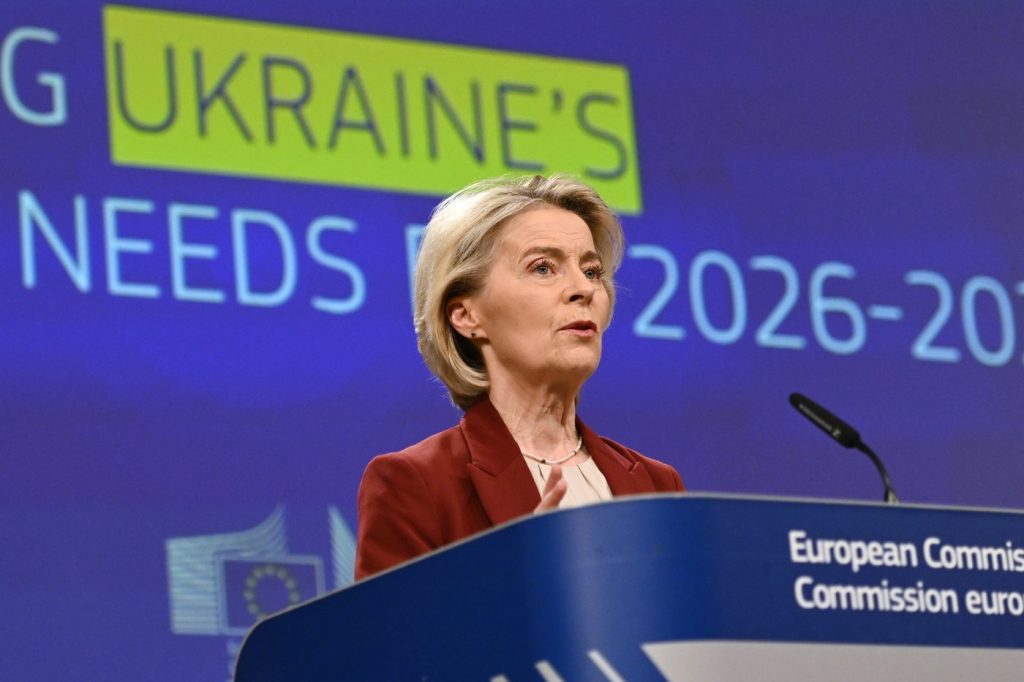
BRUSSELS — European Union leaders are convening on Thursday for a summit focused on securing a significant loan aimed at addressing Ukraine's military and financial requirements for the next two years. The leaders are eager to finalize arrangements for the 137 billion euros (approximately $160 billion) that the International Monetary Fund has deemed necessary for Ukraine, which has been severely impacted by ongoing conflict.
The summit will also address a range of other critical issues, including migration, the EU’s enlargement policy, trade relations, and economic matters. However, the priority remains how to fund the urgent financial needs of Ukraine, amid escalating demands for immediate action.
European Commission President Ursula von der Leyen emphasized the immediacy of the situation, stating, "It is up to us to choose how we fund Ukraine’s fight. We know the urgency. It is acute. We all feel it. We all see it." This sentiment underscores the collective recognition among EU leaders of the pressing nature of Ukraine's crisis.
European Council President António Costa, who is leading the meeting in Brussels, has committed to prolonged negotiations, vowing to persist until an agreement is achieved, even if it requires several days of discussions. Many leaders advocate for utilizing the tens of billions of euros in frozen Russian assets held in Europe to meet Ukraine's economic and military demands.
However, the proposal to utilize these frozen assets presents a pioneering challenge, raising numerous risks and concerns. The European Central Bank has cautioned that such a move could jeopardize confidence in the euro, potentially prompting negative repercussions across the continent. Additionally, fears of retaliation from Russia have made some member nations hesitant about the plan.
Belgium has emerged as a primary opponent to the initiative, anxious about the potential for retaliatory measures from Russia. The Belgian government prefers that the EU borrow the necessary funds from international markets instead. Complicating matters, last week, the Russian Central Bank initiated legal proceedings against the Belgian clearing house Euroclear in a Moscow court, enhancing pressure on Belgium and its European counterparts as the summit approaches.
Opposition to von der Leyen’s proposed "reparations loan" also comes from Hungary and Slovakia. This plan entails lending approximately 90 billion euros (around $105 billion) to Ukraine until the conclusion of the conflict, with expectations that Russia will eventually cover the extensive economic damages caused, which President Volodymyr Zelenskyy estimates to surpass 600 billion euros (nearly $700 billion).
To address the funding shortfall, it is planned for additional contributions to come from the U.K., Canada, and Norway. Furthermore, Bulgaria, Italy, and Malta remain undecided, necessitating continued dialogue among the 27 EU member nations to narrow the gaps in their positions. If there is substantial resistance from enough member countries, the plan is susceptible to being blocked, especially since alternative approaches to raising funds through international markets do not currently enjoy majority support.
As the summit unfolds, the commitment of EU leaders to effectively address Ukraine's needs remains imperative. The outcome of these negotiations will significantly impact the future of financial and military support for Ukraine during this critical juncture in its ongoing conflict.








