

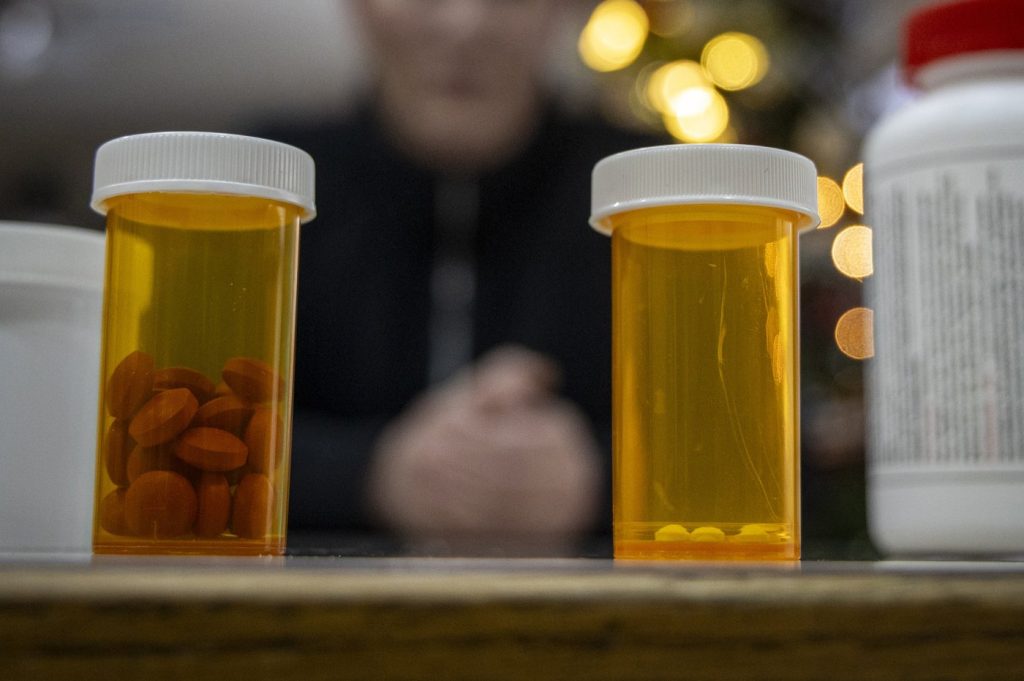
TORONTO – Amanda Godda, a 42-year-old resident of Ottawa, has been bedridden since August due to a nationwide supply shortage affecting her prescription medication, acetaminophen with oxycodone. This severe disruption began following a manufacturing issue last summer that also impacted other pain medications, such as acetaminophen with codeine.
Godda, who has been managing her degenerative disc disease since 2015, found herself unable to continue her once active lifestyle, which included working at an Indigenous music festival and socializing with friends. She describes living in pain daily, fluctuating between an eight and nine out of ten on the pain scale. After six months without her prescribed medication, she was finally able to refill her prescription this week, though she remains cautious, expressing concern that the supply could diminish once again.
Health Canada recently indicated an overall improvement in medication availability, specifically for drugs containing oxycodone, but noted that some shortages persist and could affect patients in the coming months. Godda, along with many others in chronic pain, faced unexpected challenges due to this shortage, including withdrawal symptoms, increased pain levels, and the difficulty of adjusting to alternative medications.
The experiences shared by Godda and others highlight the profound impact of the opioid supply crisis on chronic pain patients. Dr. Hance Clarke, an anesthesiologist and medical director of the Pain Research Unit at Toronto General Hospital, emphasized that while generic medications are typically equivalent, the individual response to them can vary, impacting effectiveness and dosage. Godda noted that she has suffered significant physical tolls, including broken teeth from clenching her jaw in response to pain, and described feeling trapped in her own body.
Another patient, Kerri MacPherson, 51, from Hinton, Alberta, has been dealing with pain related to osteoarthritis from a congenital condition. MacPherson shared that after enduring a nine-month shortage, Tylenol 4 became available again, but with previous hardships, she resorted to purchasing alternative medications at her own expense. She pointed out the challenges faced by individuals who may not have the same resilience in coping with chronic pain.
Shawna Dunn, 46, has experienced her own struggles with medication shortages, specifically with an opioid she has relied on for chronic back pain since her involvement in a skiing accident in 2015. Dunn's efforts to find a pharmacy with her medicine led to frustration, and as she transitions to a different opioid, she has noticed increased anxiety and sciatic pain. The physical response to her medication shift has been distressing enough to necessitate emergency health care visits.
Laur Kelly, also experiencing the ramifications of a medication shortage, reported similar feelings of fear and anxiety after being unable to refill their prescription for Tramadol, an opioid. The reduction in medication dosage severely affected Kelly’s quality of life, causing exhaustion and physical distress reminiscent of their early experiences with chronic pain following a traumatic injury.
The ongoing opioid supply shortage serves as a stark reminder of the challenges faced by people living with chronic pain, who require reliable access to their medications to maintain some semblance of normalcy. As the healthcare system works toward resolving current shortages, the uncertainty surrounding medication availability continues to loom for patients dependent on these treatments.








