

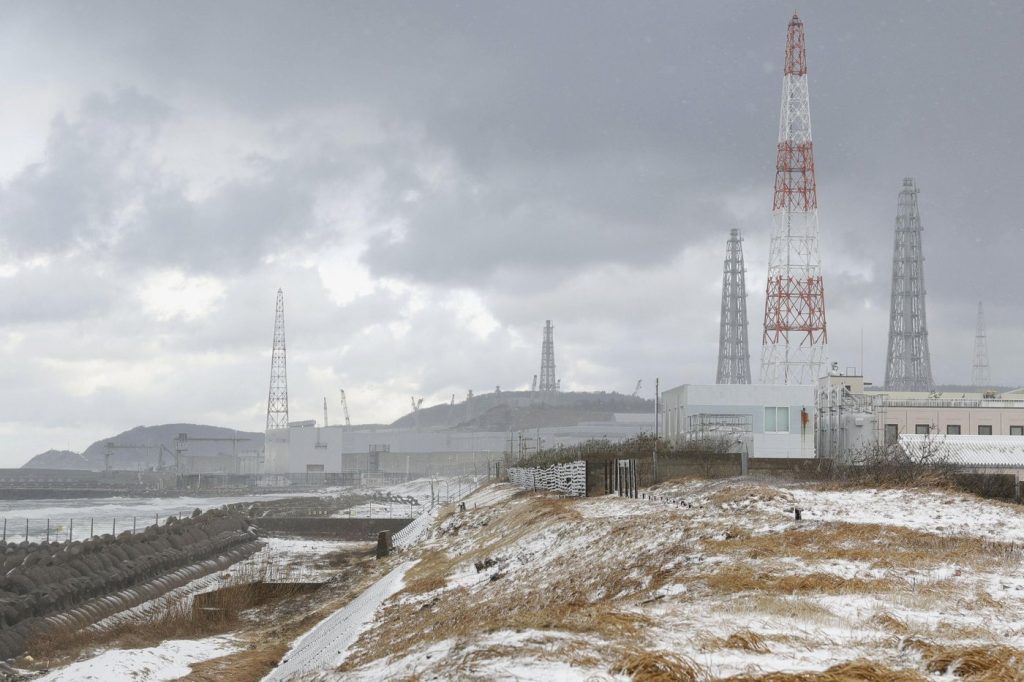
TOKYO (AP) - The world's largest nuclear power plant, the Kashiwazaki-Kariwa plant located in north-central Japan, is set to restart its No. 6 reactor on Wednesday. This marks the first time operations will resume since the catastrophic 2011 Fukushima nuclear meltdown. The restart is part of Japan's broader strategy to accelerate the use of atomic power amid soaring electricity demands, particularly as the country grapples with its resource limitations.
The significance of this restart is amplified given that the operator of Kashiwazaki-Kariwa is the Tokyo Electric Power Company Holdings (TEPCO), the same utility responsible for the Fukushima Daiichi plant. Concerns linger regarding TEPCO's past safety issues at Fukushima, which have fostered public apprehension regarding the operational safety of the Kashiwazaki-Kariwa facility, especially in a quake-prone area.
All seven reactors at the Kashiwazaki-Kariwa plant have remained offline since 2012, a year after the Fukushima disaster, which saw severe meltdowns and radioactive contamination of the surrounding land. Some areas still remain uninhabitable due to this fallout. TEPCO continues to mend its tarnished reputation while managing a massive cleanup effort at Fukushima Daiichi, expected to cost approximately 22 trillion yen ($139 billion). Investigations into the Fukushima crisis have pointed to TEPCO's inadequate safety culture and collusion with regulatory bodies as factors exacerbating the situation.
While other nuclear reactors across Japan have restarted since 2011, the upcoming activation of the Kashiwazaki-Kariwa No. 6 reactor will mark the first such operation for a TEPCO-managed unit. Local residents express mixed feelings; they appreciate the potential for economic and job growth but remain anxious about nuclear safety and the viability of evacuation strategies, especially considering a significant earthquake in the nearby Noto region two years earlier.
Once operational, the No. 6 reactor could yield an additional 1.35 million kilowatts of electricity, sufficient to power over a million households in and around Tokyo. Although the seven reactors were inactive since 2012 due to safety mandates following the Fukushima disaster, the Kashiwazaki-Kariwa plant itself was not directly impacted by the events of March 2011.
The facility had already suffered damage from a 2007 earthquake, which prompted safety concerns among local populations. In response, TEPCO enhanced the plant's infrastructure, establishing a quake-resistant command center in 2009. The No. 6 reactor managed to clear safety tests as early as 2017 but was subsequently banned from operations in 2021 due to serious safeguarding issues. It only received the necessary approvals to restart in 2023.
The safety restart follows a recent scandal involving the falsification of seismic data by another utility during safety evaluations of its reactors, further eroding public trust in nuclear oversight. In light of this past misconduct, TEPCO’s credibility remains precarious.
According to government evacuation plans, if a radiation leak occurred, up to 18,600 residents within a 5-kilometer radius of the plant would need to evacuate, while approximately 400,000 others in a larger zone would be advised to remain indoors. The 2024 Noto earthquake, which caused only moderate damage to the nearby Shika nuclear power plant’s dormant reactors, significantly damaged local infrastructure, complicating emergency evacuation routes and trapping residents in difficult-to-access areas.
Despite a decreasing population, Japan anticipates increased energy demands driven largely by the expanding needs of AI data centers. In light of the rising costs of fossil fuel imports, particularly influenced by geopolitical tensions such as Russia's war on Ukraine, Japan has shifted its post-Fukushima policy towards a pro-nuclear stance. Prime Minister Sanae Takaichi has called for maximizing nuclear energy usage, including accelerating reactor restarts and exploring the construction of new reactors.
Since the Fukushima incident, TEPCO has implemented various safety measures, reinforcing seawalls and ensuring key facilities are watertight, among other improvements. Significant investments—over 1 trillion yen ($6.33 billion)—have been dedicated to these safety enhancements. As TEPCO prepares for the No. 6 reactor at Kashiwazaki-Kariwa to reach 50% of its power output capacity, a temporary inspection shutdown will occur around late January to early February, with full power generation slated for late February.
___
Mayuko Ono contributed to this report.








