

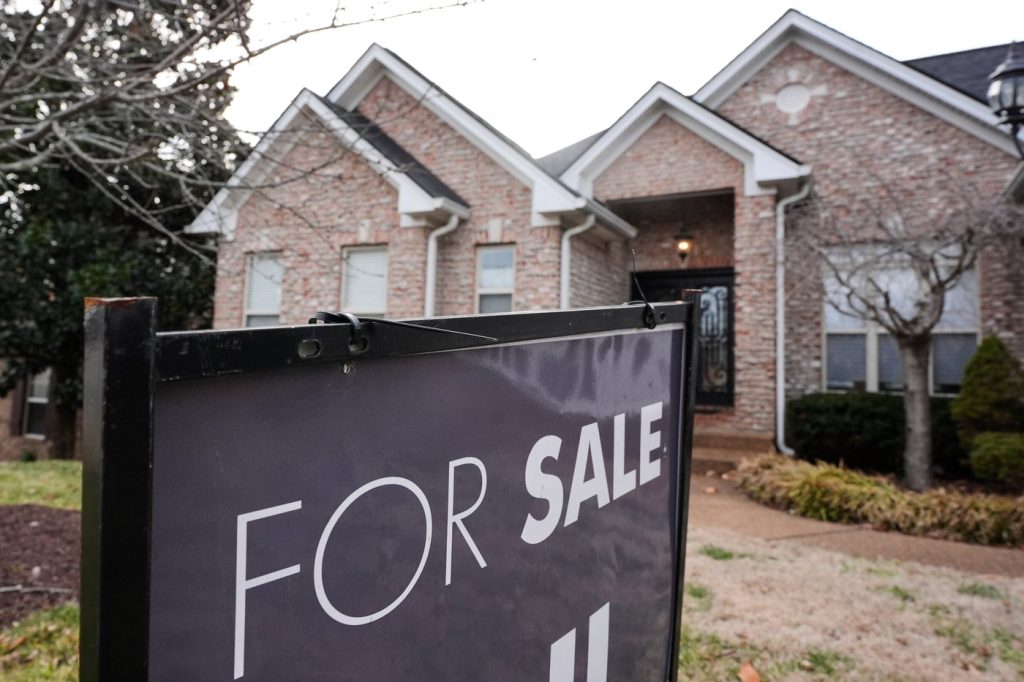
In Los Angeles, the temptation to utilize retirement savings as a down payment for a home has grown amidst rising home prices and high mortgage rates. Many retirement plans, including 401(k)s and Individual Retirement Accounts (IRAs), allow for withdrawals or loans for this purpose, but borrowers must be cautious due to potential tax penalties and financial repercussions.
Financial analyst Stephen Kates emphasizes the importance of careful planning, urging potential homebuyers to thoroughly understand their financial situation before utilizing retirement funds. The challenges of home buying have intensified, with years of inflation and escalating home prices making it difficult for many Americans. This is exacerbated by the current stock market performance, with the S&P 500 index showing just five down years between 2005 and 2025, which has benefitted the growth of retirement accounts.
According to Fidelity Investments, the average 401(k) balance for approximately 24.8 million accounts was $146,400 as of December 31, reflecting a 66% increase over the last decade. Meanwhile, the average IRA balance for about 18.9 million accounts was $137,095, indicating a 51% gain since 2015. However, these averages do not tell the entire story, especially as the median U.S. down payment for a home was reported by Redfin to be $64,000 in December. Comparatively, the median 401(k) balance was $34,400, and the median IRA balance stood at $10,476, illustrating that many savers may fall short of the funds needed for a significant down payment.
The time it takes to save for a down payment has decreased, taking the average U.S. household seven years, down from 12 years in 2022. This implies that the pressures of homeownership have not waned, with many homebuyers resorting to their savings. A study by the National Association of Realtors indicated that 46% of homebuyers between July 2024 and June 2025 relied on their savings for down payments, with 59% of first-time buyers falling into this category. Although some borrowers do use retirement funds, only 6% of all homebuyers and 11% of first-time buyers accessed their 401(k) or pension funds for this purpose, while 3% utilized their IRA accounts.
Borrowers should consider the implications on their long-term financial health before tapping into retirement funds. Kates highlights that withdrawing significant amounts may necessitate delaying retirement, especially for individuals who take out large portions of their savings. Understanding the rules and limits of one's plan is crucial, as most 401(k) plans allow loans for home purchases, subject to certain repayment timelines. The IRS permits borrowers to take loans amounting to 50% of their vested account balance or $50,000, whichever is lower. Alternatively, those with less than $10,000 in their plan can borrow their entire balance if permitted by their plan sponsor.
It's essential to weigh the costs of such decisions carefully. Borrowers will need to manage repayments alongside other homeownership costs, including mortgage payments, insurance, and taxes. A significant risk associated with 401(k) loans is job loss; if the borrower cannot repay the loan, the remaining balance counts as a taxable distribution, incurring both ordinary income tax and a 10% additional tax for those under 59 and a half.
Another option available is the hardship withdrawal, which allows individuals to withdraw funds for specific needs, including purchasing a principal residence. Unlike loans, these withdrawals do not have to be repaid, but they carry penalties if the individual is under age 60. Kates advises that for those considering these options, loans may be preferable since you repay yourself with interest.
It's worth noting that IRAs do not allow loans; however, they permit first-time homebuyers to withdraw up to $10,000 without incurring a 10% tax penalty. Regardless of the plan type, it is imperative that individuals consult with financial planners and retirement plan sponsors to evaluate their options before making decisions.








