

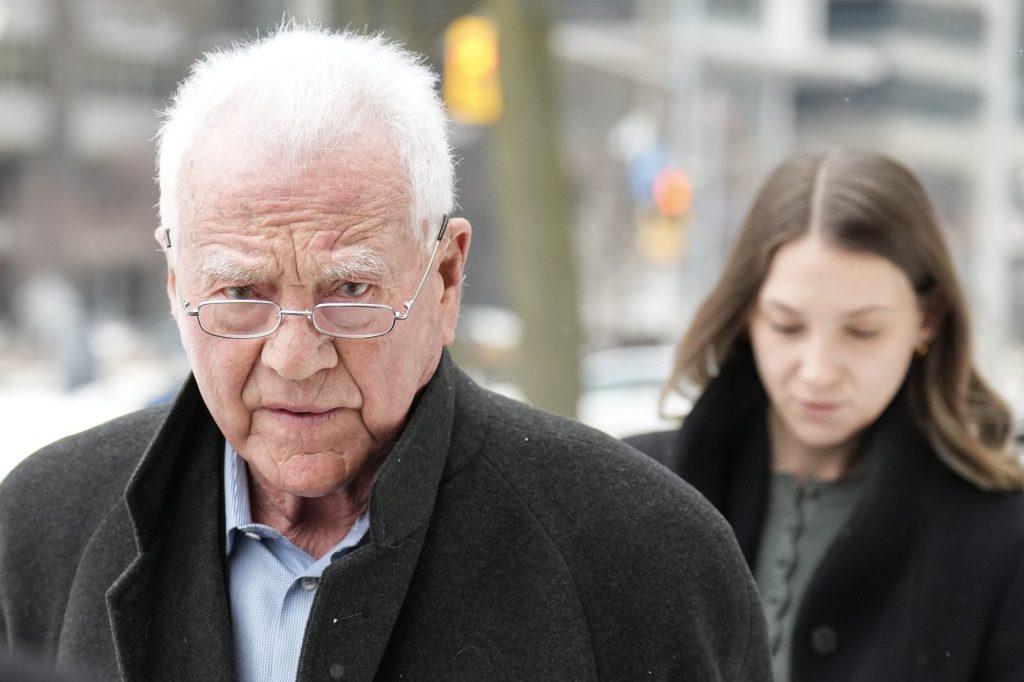
TORONTO – The sexual assault trial of Frank Stronach, the founder of the auto parts conglomerate Magna International, continues today with the sixth of seven complainants expected to take the stand. Stronach is facing a total of 12 charges, stemming from alleged incidents that occurred from the 1970s to the 1990s. He has pleaded not guilty to all the charges.
Prosecutors argue that Stronach was aware that the complainants did not consent to the sexual activity or, at the very least, was willfully blind to that fact. The allegations span several decades, emphasizing the long-term implications of the alleged offenses, which have surfaced only recently as part of a broader movement to hold powerful figures accountable for their actions.
During the trial, the proceedings have included intense cross-examination of the complainants. On Tuesday, Stronach's lawyer, Leora Shemesh, questioned the fifth complainant, a woman now in her early 70s, regarding various details in her testimony that she had not previously divulged to the police or prosecution. The defense strategy appeared to focus on discrediting the witness by creating doubt about her reliability.
Shemesh suggested the woman has a "tendency to lie" and implied that the witness would be prone to fabricate further stories if allowed to testify for an extended period. This tactic reflects a common defense approach in sexual assault cases, where the credibility of complainants is often scrutinized rigorously.
In response, the complainant firmly maintained that she was stating the truth, asserting that she was revealing details as they came to her memory, which speaks to the complexities involved in recalling traumatic experiences. This interaction highlights the challenges complainants often face in court, where their credibility may come under fire, often leading to additional emotional distress.
It is important to note that due to a standard publication ban, the identities of the complainants cannot be revealed. This measure is designed to protect their privacy and encourage more survivors to come forward without fear of public identification and scrutiny. The anonymity of the complainants underscores the sensitive nature of such trials and the societal challenges related to sexual assault cases.
This high-profile case continues to draw attention, not just for its implications for Stronach, but for the larger conversations it prompts about consent, accountability, and the treatment of sexual misconduct allegations within the legal system. As the trial progresses, both the prosecution and defense will likely continue to shape their narratives surrounding the events in question and the credibility of the witnesses involved.
The Canadian Press reported that the trial marks a significant moment in the ongoing dialogue about sexual assault and the responsibilities of individuals in positions of power. The outcomes could have lasting effects not only for Stronach but also for broader societal perceptions of accountability in cases of alleged sexual violence.
As this trial unfolds, it serves as a reminder of the ongoing need for reforms in the handling of sexual assault cases, ensuring that victims are supported and that justice is pursued fairly for all involved.








