

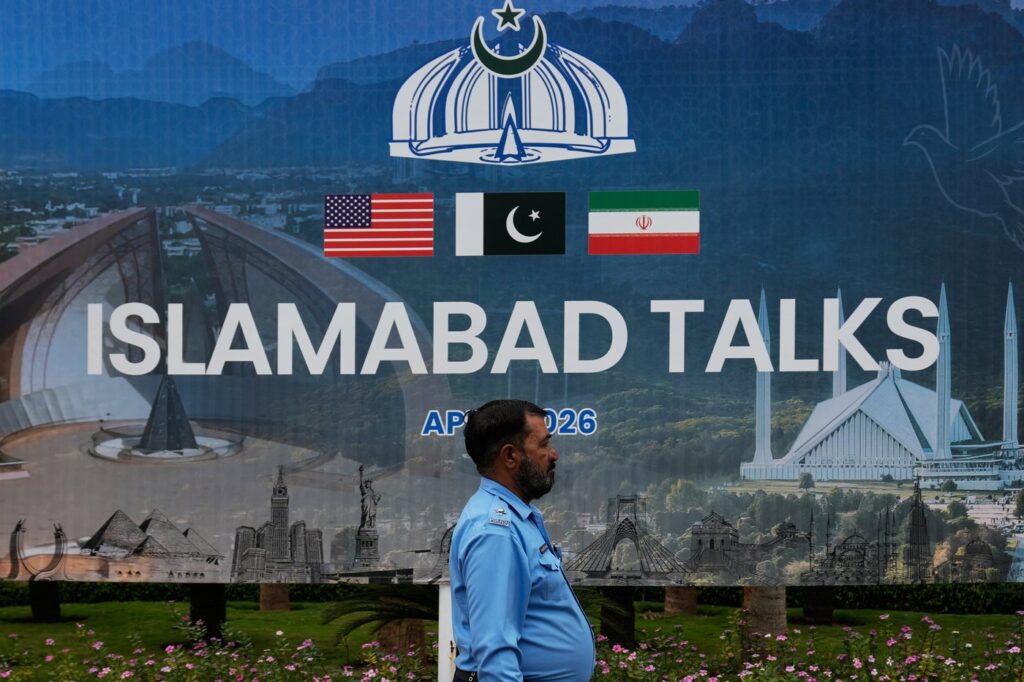
ISLAMABAD (AP) - A significant U.S. delegation led by Vice President JD Vance has arrived in Pakistan for crucial negotiations with Iranian representatives. This meeting marks the first high-level talks since the onset of the conflict that began over a month ago, testing the potential for establishing a fragile ceasefire and setting the stage for a pathway towards peace.
The ceasefire, which has been mediated by Pakistan, faces several obstacles as discussions commence. Intense skirmishes between Israel and Hezbollah militants continue along the southern Lebanese border. Iran has stipulated certain conditions, including an Israeli ceasefire in Lebanon and the release of blocked Iranian assets, before negotiations can proceed, as stated by Iran’s Parliament Speaker Mohammad Bagher Qalibaf.
In a supportive gesture, U.S. President Donald Trump extended well wishes to Vice President Vance ahead of the critical discussions. He remarked on Iran’s military situation, suggesting they are at a disadvantage, stating, “They’re militarily defeated.”
Security measures were heightened in Islamabad on Saturday morning, resulting in quiet streets as authorities restricted movement to ensure safety ahead of the negotiations. Pakistani officials advised residents to remain indoors, creating an atmosphere reminiscent of a curfew. Prime Minister Shehbaz Sharif cautioned that the ongoing conflict is entering a challenging phase, and emphasized the current moment as a pivotal “make-or-break” juncture in finding a more lasting resolution.
Before his departure from Washington, Vice President Vance expressed optimism about potential positive outcomes from the negotiations with Iran. However, he also noted that if Iran attempts to manipulate the situation, the U.S. negotiating team would not be easily swayed.
Negotiations directly between Israel and Lebanon are anticipated to commence on Tuesday in the U.S. capital, according to information from Lebanese President Joseph Aoun’s office. Lebanon is eager to initiate these talks to conclude the war with Israel and Hezbollah, under conditions similar to the ceasefire with Iran.
Despite the ongoing ceasefire talks involving Iran, Israel adamantly maintains that this does not extend to a pause in hostilities against Hezbollah, a stance that threatens the overall agreements. Hezbollah has actively participated in the conflict, supporting Iran.
Furthermore, the day the ceasefire was declared, Israel conducted airstrikes on Beirut, resulting in over 300 fatalities, marking one of the deadliest days in Lebanon since the conflict’s initiation on February 28. In a recent development, Israeli warplanes targeted locations in southern Lebanon, resulting in casualties among state security personnel.
Control of the Strait of Hormuz has emerged as a critical issue in the negotiations, leading to soaring oil prices and global economic turmoil. Currently, the price for Brent crude has risen over 30% since the conflict began, reaching approximately $97. Before the turmoil, upwards of 100 vessels traversed the strait daily, primarily transporting oil to Asia. However, during the ceasefire, a dramatic decline was seen, with only 12 vessels recorded passing through.
President Trump commented on Iran's position in the negotiations, suggesting they lack leverage and are attempting to engage in international extortion regarding maritime rights. He asserted that the negotiation talks are their only remaining option for survival.








