

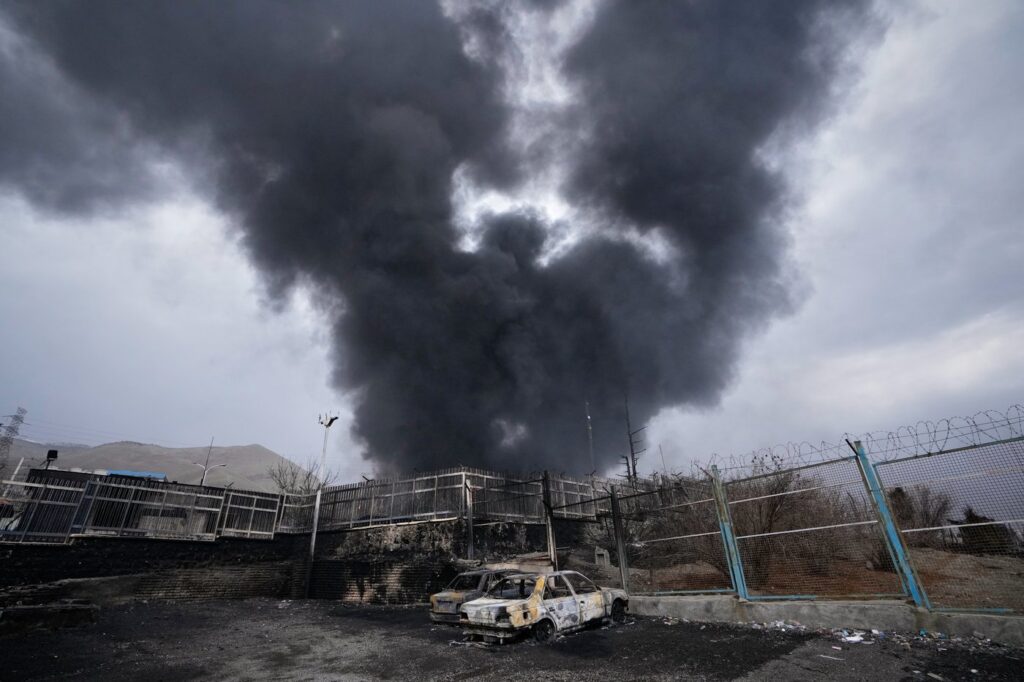
The long-term repercussions of the war in Iran are becoming increasingly evident, indicating a transforming Middle East characterized by unsettled dynamics, strained alliances, and pronounced shifts in economic and military power. Iran's theocracy, though damaged, remains intact, bolstering its economic leverage amidst the chaos. With elections approaching in both the U.S. and Israel, leaders like Prime Minister Benjamin Netanyahu may be facing voters disillusioned with unmet war objectives. The ongoing conflict has placed considerable stress on the NATO alliance, and Gulf Arab states are now confronted with a more assertive Iran in their vicinity.
In Israel, Netanyahu's performance during the war is deemed an "incomplete," as he set ambitious goals, including the dismantlement of Iran's missile and nuclear capabilities and the instigation of a popular uprising against the Iranian government. However, these objectives remain largely unfulfilled. Following the ceasefire, Netanyahu claimed "immense achievements," asserting Iran’s diminished strength and Israel’s enhanced status, yet the Israeli public’s agreement with this perspective is uncertain. While there was overwhelming initial support for the conflict, fatigue has set in as the war disrupted daily life with relentless air-raid sirens, causing widespread distress. With elections on the horizon, the viability of Netanyahu's leadership hinges on the outcome of the ceasefire discussions and the strength of his alliance with President Donald Trump amidst domestic dissatisfaction regarding the war.
Meanwhile, Iran, despite substantial losses including military strikes and domestic opposition, has managed to position itself advantageously. The threat posed by its paramilitary Revolutionary Guard has effectively hindered maritime traffic through the critical Strait of Hormuz, a key artery for international energy shipments. The Iranian government has ambitiously outlined its demands for upcoming negotiations in Islamabad, including the continuation of its uranium enrichment program, one of the primary justifications for the war initiated by Trump. Despite these demands, Iran’s military infrastructure lies severely damaged and its munitions severely depleted, raising concerns about potential domestic unrest stemming from economic devastation.
The Gulf Arab states find themselves precariously situated amid this conflict. Requests to remain uninvolved have fallen on deaf ears as Iran has launched attacks against key installations within these nations. As a result, several states have had to curtail oil production or shut down refineries. Despite a ceasefire, Iran’s firm grip on the Strait of Hormuz through threat tactics leaves Gulf nations unable to export oil effectively. Differing strategies prevail among these states, with Oman seeking diplomatic channels while the United Arab Emirates vocally condemns Iranian provocations and insists on the necessity of maintaining regional security.
In Lebanon, the ongoing war has wrought severe humanitarian consequences. The potential for a ceasefire raises numerous uncertainties, principally regarding the Israeli-Hizballah nexus. A distinction exists between U.S.-Israeli and Iranian interpretations of any ceasefire relating to the clashes with Hizballah. While Lebanon advocates for ceasefire discussions accompanied by an immediate halt to Israeli military operations, Israel is unlikely to acquiesce to such terms. Analysts suggest that Lebanon lacks the capacity to disarm Hizballah or enforce a ceasefire without the group's consent, leaving the situation in limbo.
Amidst these regional tensions, NATO relations are being stretched to their limits under President Trump’s leadership. His interactions with member states, where he has disparaged allies and expressed dissatisfaction with their contributions to regional security, have undermined the collective resolve of the alliance. The war's progression has led to complications within NATO, particularly regarding support for military efforts in Iran and joint operational capabilities hampered by member states restricting access to airspace.
The U.S. economy is suffering greatly as inflation escalates and gas prices surge due to disruptions in oil supply caused by the conflict. Oil prices have skyrocketed, with Brent crude oil reaching over $119 a barrel from about $70 at the war’s outset. Gas prices have similarly climbed, exerting pressure on consumers and potentially curtailing spending. The challenges posed by the ongoing conflict and the looming midterm elections intensify pressure on political leaders as polls indicate a significant portion of Americans believe military action in Iran has gone too far.
The combination of heightened energy prices, international tension, and domestic dissatisfaction poses an intricate challenge for the U.S. and its allies as they navigate the complexities of the Middle Eastern landscape following this prolonged conflict.








