

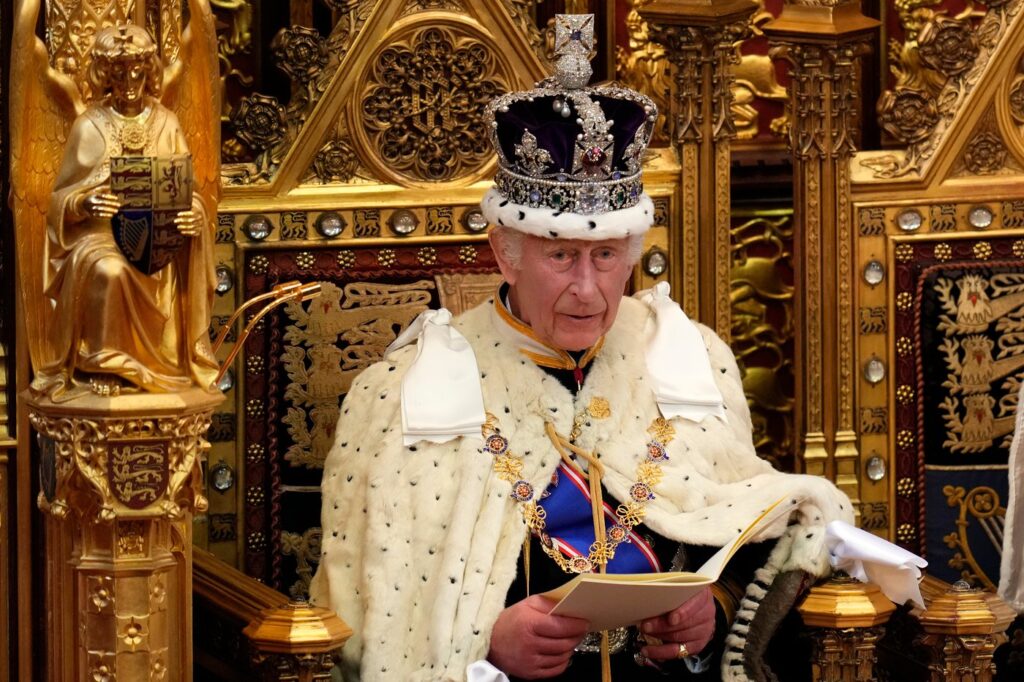
LONDON (AP) On Wednesday, King Charles III is set to deliver the government’s legislative program for the upcoming year to lawmakers during the ceremonial opening of Britain’s Parliament. This event is traditionally marked by elaborate pageantry, reflecting the rich history of the British political system.
The significance of the King's Speech is compounded by the current political climate, particularly concerning Prime Minister Keir Starmer. Following recent local and regional elections, which resulted in substantial losses for his Labour Party, Starmer finds himself in a precarious position. There are mounting calls for his resignation from various party members who criticize his perceived hesitance in addressing pressing issues like the escalating cost of living and public service deficiencies.
The pressure on Starmer intensified after a speech made on Monday, which was intended to mark the beginning of his comeback but was labeled "tone deaf." Critics argue that it lacked the vigorous policies necessary to effectively tackle the challenges facing Britain. The resignation of former Safeguarding Minister Jess Phillips from the Cabinet further underscores the discontent within the party, as she emphasized the urgent need for the government to engage in significant debate and push back against various challenges.
The King's Speech symbolizes a juxtaposition of Britain’s historic power against the backdrop of contemporary realities, including an underfunded military, increasing national debt, and a waning influence on the global stage. The UK faces significant struggles in managing immigration and sustaining essential public services like healthcare and education.
This year’s speech is expected to directly address the ongoing cost of living crisis, introduce plans for a national wealth fund aimed at fueling private investment in public infrastructure, and propose stricter regulations for asylum seekers. Additional controversial proposals may also feature, such as abolishing jury trials in certain cases across England and Wales, lowering the voting age to 16, and introducing a "duty of candor" for public officials, which would mandate them to provide truthful cooperation during investigations.
However, Starmer faces the challenge that many of the anticipated proposals have been previously announced, raising doubts about his ability to restore confidence among his critics and the public.
The King's Speech is a focal point in a day steeped in ceremony and tradition, dating back to 1852, with some elements tracing back to the 16th century. The monarch will traditionally traverse the short distance from Buckingham Palace to the Houses of Parliament in a horse-drawn carriage. Upon arrival, King Charles III will wear the Imperial State Crown and the robe of state before leading an official procession into the chamber of the unelected House of Lords.
In a ritual emblematic of the Commons’ independence from the monarchy, a Lord official known as Black Rod will summon members of the House of Commons for a joint sitting of Parliament. The doors to the Commons chamber will be firmly closed in Black Rod’s face, and only after three strikes on the door will they be opened.
Once the members of the Commons join their counterparts in the Lords’ chamber, the King will present a speech authored by the government, outlining the legislative agenda for the forthcoming session. Following the delivery of the speech, a period of debate will ensue in both houses of Parliament.
This carefully choreographed event serves as a reminder of both Britain’s historical significance and its current political challenges as the new legislative session unfolds.








