

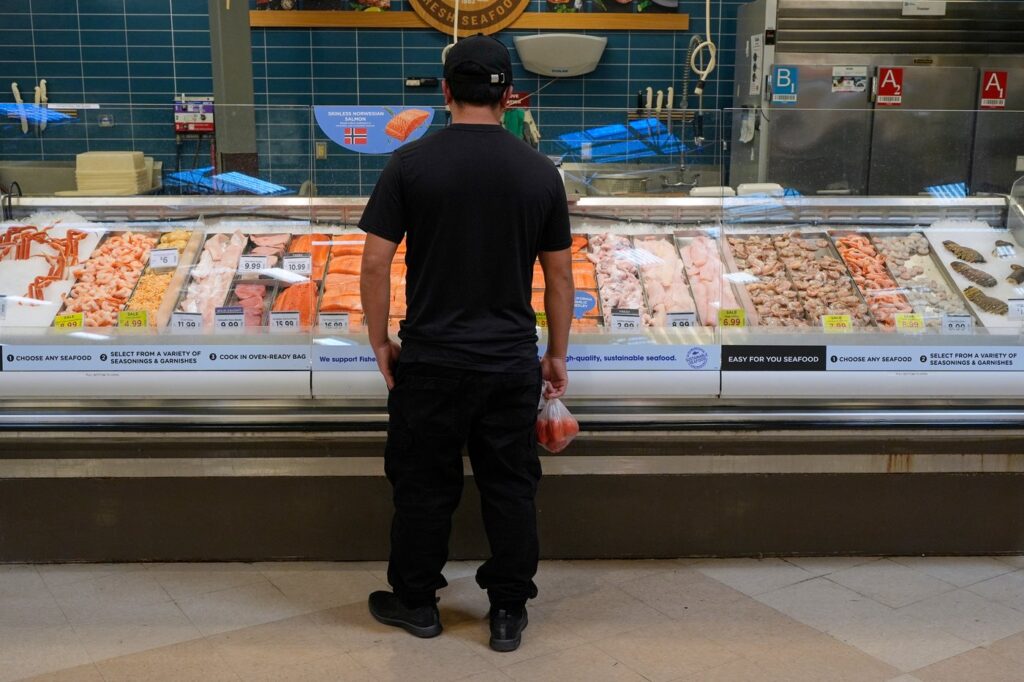
In April 2026, Americans experienced a rise in grocery prices, primarily driven by increasing fuel costs attributed to the ongoing Iran war. Food prices rose by 2.9% when compared to the same month in the previous year, marking the highest year-over-year inflation rate since August 2023, as reported by government figures. This upward trend was not limited to groceries purchased for home consumption; prices at restaurants and fast-food chains also saw an increase, contributing to an overall food price rise of 3.2% during the year.
The surge in fuel prices is significantly linked to the Iran conflict, which has disrupted cargo shipping through the Strait of Hormuz—a crucial passage for global oil supply. Currently, the average gasoline price has risen by 61% compared to the previous year, according to AAA. This increase has impacted various sectors, notably the supply chain for agricultural products, as diesel fuel is essential for fishing boats, tractors, and trucks that transport nearly 83% of U.S. agricultural goods.
Raymond Campise, the owner of Sparrow Market—a small independent grocery store in Ann Arbor, Michigan—indicated that suppliers of meat, produce, and dry goods have recently imposed fuel surcharges on their deliveries. He emphasized that for independent markets operating with narrow profit margins, even minor price increases can have significant ramifications.
Economists at Purdue University, Ken Foster and Bernhard Dalheimer, suggested that the full effects of rising energy costs on food prices have yet to manifest on retail grocery shelves. They explained that increased costs associated with the production, processing, storage, and transportation of food could take anywhere from three to six months before being reflected in prices. Foster noted, “Most of what we’re seeing now in the food price chain probably predates the conflict,” highlighting the anticipation surrounding future reports on food prices and their potential relationship with the conflict-related energy shocks.
The consumer price index (CPI) serves as an indicator of price changes for grocery staples, such as meat, milk, and produce, and historically, grocery prices have increased at an average rate of 2.6% over the past two decades. However, last month saw more pronounced increases, with prices for fresh fruits and vegetables climbing by 6.5% and meat prices increasing by 8.8% compared to April 2025.
Additional factors, including U.S. trade policies and extreme weather conditions, have also contributed to the increase in food prices over the past year. A 17% tariff imposed on fresh tomatoes imported from Mexico in July 2025 has been linked to a 40% rise in consumer prices over the preceding twelve months. Furthermore, dry weather in the western United States has led to a 15% increase in beef prices year over year, while coffee prices surged by 18.5%, influenced by adverse weather conditions impacting global coffee production.
Despite the overall increase in food prices, some items have experienced stable or declining prices, including a slight dip in milk and chicken prices, and a notable 39% decrease in egg prices attributed to farmers rebuilding flocks affected by a bird flu outbreak. As food prices and inflation are pivotal topics in the upcoming midterm elections, they are expected to influence voter perspectives, particularly as sentiments about the economy continue to evolve.
Some food producers are currently facing challenges due to heightened fuel costs. The Southern Shrimp Alliance suggests that many boats have remained docked this spring due to the rising price of diesel and insufficient shrimp catches to cover operational costs, highlighting the precarious financial balance for shrimpers who provide only a fraction of the shrimp consumed in the U.S.
Furthermore, the latest annual increase of 5% in prices for nonalcoholic beverages may also be connected to rising petroleum-derived costs associated with plastic bottle production. Looking ahead, the continuing conflict in Iran could exacerbate food prices due to soaring fertilizer costs, as approximately 30% of the world’s fertilizer transits through the Strait of Hormuz. While U.S. farmers currently have adequate fertilizer supplies, long-term effects may emerge if the conflict persists.
In conclusion, Ken Foster anticipates that the ongoing Iran conflict will have diverse ramifications on food prices in the years to come, stemming from both energy and packaging costs, and potentially influencing agricultural decisions moving forward.








