

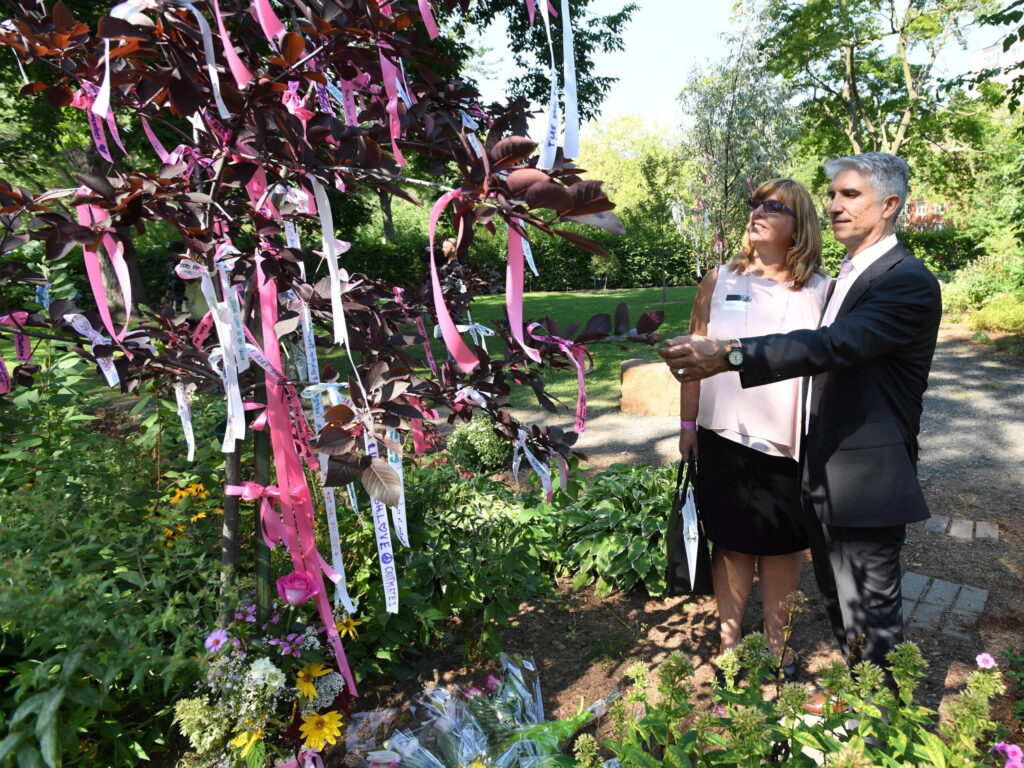
Twenty years after the tragic Dawson College shooting, Louise De Sousa continues to feel the profound impact of losing her daughter, Anastasia De Sousa. On September 13, 2006, the 18-year-old was killed when a gunman opened fire in the college's cafeteria, injuring at least 19 others before being fatally shot by police. The pain of losing Anastasia remains a constant presence in Louise's life, shaping her daily existence and interactions.
Louise expresses that the grief over her daughter's death has not dissipated. Instead, she has learned to adapt and cope with the loss. She talks to Anastasia every day, encouraging her to watch over their family. "You know, you learn to adapt with it," Louise reflects. "She’s not here, but I’m constantly speaking with her." She fondly remembers her daughter's laughter, which was so contagious that it could brighten anyone's day. The longing for the life Anastasia could have had weighs heavily on Louise's heart as she navigates family events without her daughter.
The day of the shooting is etched in Louise's memory. While on her lunch break, she was informed by coworkers, who had also worked with Anastasia that summer, about the shooting at Dawson College. As her attempts to reach her daughter went unanswered, panic set in. A colleague suggested checking Montreal General Hospital where many victims were taken, prompting Louise to rush there in search of her child. Chaos engulfed the scene, and it wasn't until late that evening that they received the heartbreaking confirmation of Anastasia's death. "Our life broke completely. My heart shattered, the whole family," Louise recalls.
In the aftermath of the tragedy, Louise and her husband made a deliberate choice to focus on their two other children, opting to move forward rather than succumb to overwhelming grief. "My husband and I said, we had two choices. Either we crawled up in the corner, and that would have destroyed our family life, or we had two other children that we had to take care of," she explains.
Two decades later, Louise honors Anastasia's memory by sharing her story with students, aiming to raise awareness about mental health and the importance of supporting each other. Louise emphasizes how critical it is to recognize signs of struggle in peers, reflecting on how Anastasia's killer may have been overlooked in his own need for help. "Her killer went through stuff, I guess, in his life. And he didn’t get the help or didn’t search for the help he really needed," she states. Louise's commitment to speaking at schools stems from a desire to prevent similar tragedies by fostering a supportive environment among young people.
While Louise acknowledges that her grief has evolved over the years, she emphasizes that it has never truly disappeared. Instead, she carries the essence of her daughter with her daily, ensuring that Anastasia's spirit and legacy endure. The cherished memories of a vibrant young woman lost too soon continue to inspire Louise's efforts in advocacy and education, illustrating the profound impact of a life taken tragically too soon.








