
Prime Minister Mark Carney has recently concluded a significant diplomatic tour across several Asian nations, returning to Ottawa after participating in four summits in Ireland, the Philippines, Cambodia, and China’s tech capital, Shenzhen. The trip focused on key geopolitical and economic discussions, ranging from peace negotiations concerning Ukraine to enhancing trade relations with Asia and China.
1) Touching Base on Ukraine Peace Talks
Carney's journey commenced in Dublin, where he attended the European Political Community summit. This informal gathering has taken place every six months since the onset of Russia's full-scale invasion of Ukraine in 2022. Ukrainian President Volodymyr Zelenskyy participated in the summit, briefing Carney and other European leaders on recent negotiations with Russian officials in Abu Dhabi, which were facilitated by U.S. envoys. Carney reiterated Canada's commitment to NATO allies, emphasizing the need for Europe to establish protective arrangements against security threats.
2) Opening Up Trade
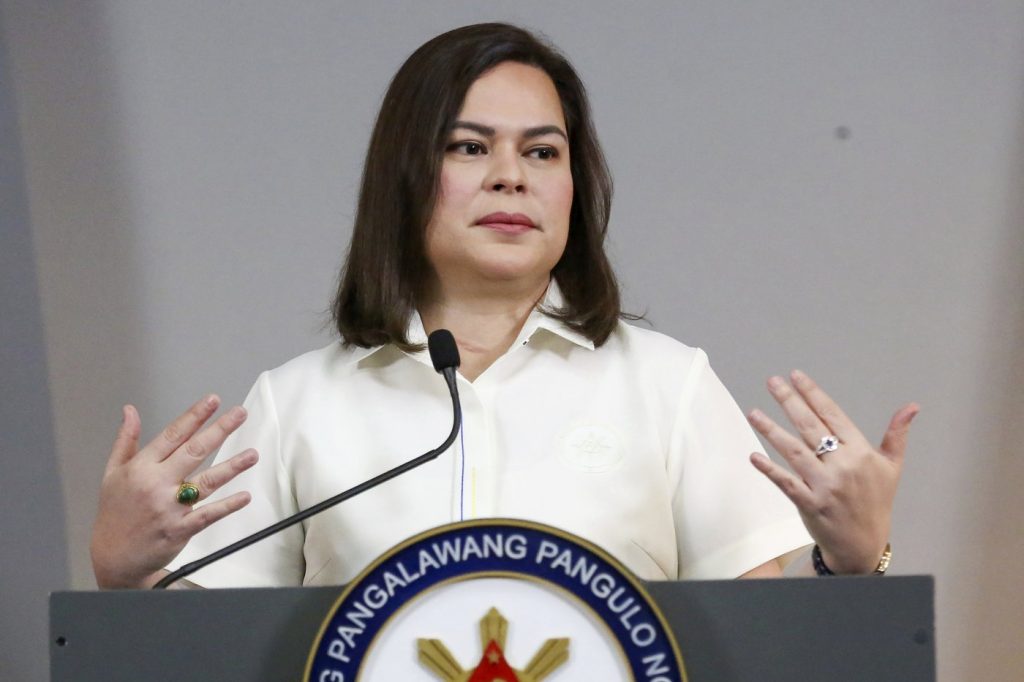
Following the Dublin summit, Carney traveled to Manila, where he and his Philippine counterpart finalized discussions on a free-trade agreement. This deal, set to be formally signed next year, aims to enhance Canadian exports in sectors such as agriculture, forestry, and energy, while also pivoting towards advanced fields like aerospace technology and artificial intelligence. The agreement is part of a broader strategy to double exports to non-U.S. countries by 2035, highlighting Canada’s intent to strengthen its ties with ASEAN member nations.
3) The First Plamondon Meeting
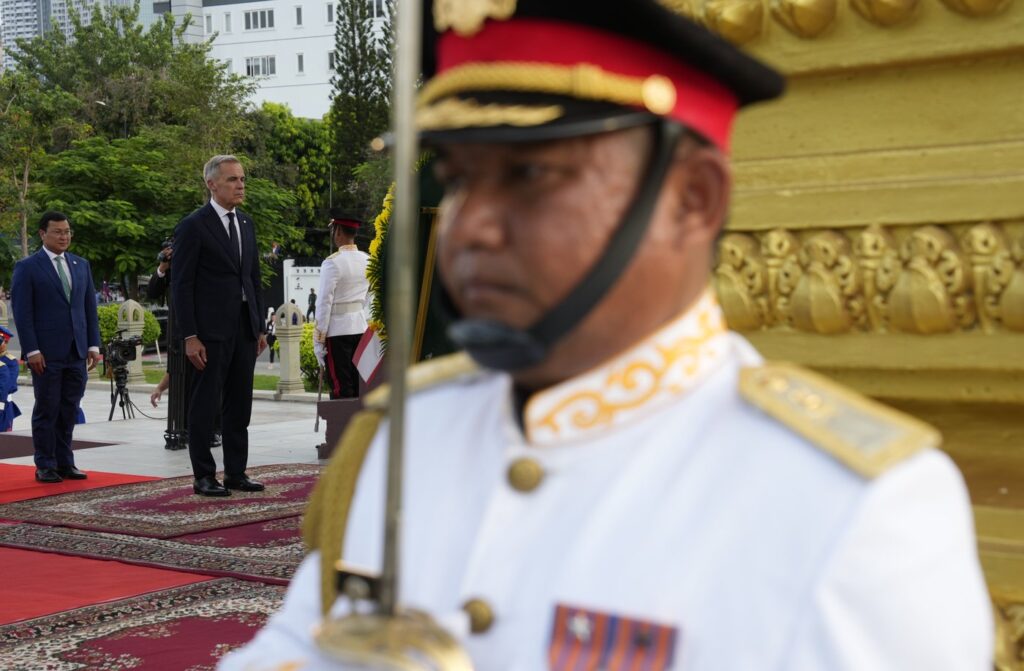
In Cambodia, Carney had a notable meeting with Quebec Premier Paul St-Pierre Plamondon. This was their first encounter since Quebec's recent election of a sovereigntist government, with the Premier expressing aspirations for Quebec's independence. They maintained a cordial dialogue, focusing on collaborative goals like tackling homelessness and promoting business investments through the Francophonie. Carney humorously acknowledged the nature of their relationship while stressing that international agreements are to be negotiated federally.
4) A Vision for the French Language
At the Francophonie summit in Phnom Penh, Carney advocated for the French language in the digital age, urging French-speaking nations to unite against the dominance of American tech corporations. He emphasized the need for better visibility of French-language content online, likening it to a well-organized library rather than a neglected collection of books. Carney’s address resonated strongly among attendees, and he called for collaboration among French-speaking countries to leverage economic opportunities in the responsible application of AI.
5) Deeper Relations with China
Carney's trip concluded in Shenzhen, where he was welcomed with a vibrant display of synchronized dancers. In meetings with Chinese President Xi Jinping, both leaders agreed to lift trade restrictions on various goods, facilitating increased access for Canadian pork in exchange for Chinese steel and aluminum. This agreement represents a hopeful step towards mending relations that have suffered since 2018. Carney acknowledged Shenzhen's rapid development as a model for Canadian growth, highlighting the importance of reducing bureaucratic obstacles to advance major projects.
6) Meeting with Trump
Additionally, Carney met with former President Donald Trump during the Asia-Pacific Economic Cooperation (APEC) summit. This discussion was focused on achieving a mutually beneficial trade agreement, including protections for the French language and the Canadian auto sector. The meeting marked a notable moment of direct dialogue, especially given previous tensions and the complexities surrounding Canada-U.S. relations. Carney remains committed to diversifying Canada’s trade relationships, irrespective of the outcomes from the U.S. midterm elections, and continues to prioritize trade in commodities rather than sensitive technologies.
Overall, Prime Minister Mark Carney's diplomatic mission was rich in engagements and aimed at solidifying Canada's standing on the global stage, addressing crucial bilateral trade issues, and emphasizing the importance of linguistic and cultural identity in the face of technological advancement.