

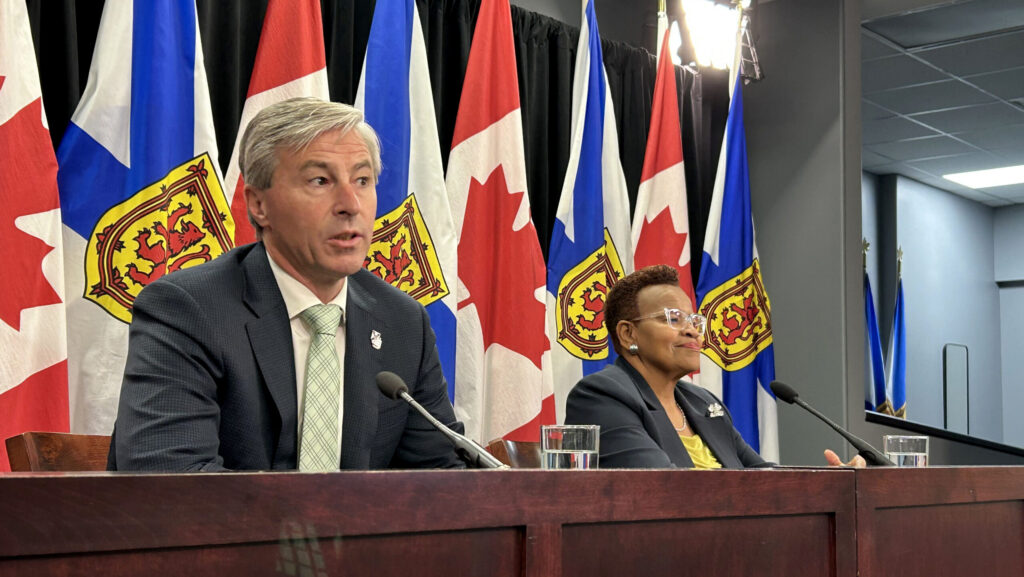
Nova Scotia Premier Tim Houston has announced a new budget consultation initiative aimed at involving the public in the creation of the province's financial plan. This initiative invites Nova Scotians to develop and submit their own budget proposals via a dedicated provincial website.
Houston emphasized the importance of transparency, stating, “We’re putting the actual government numbers in front of Nova Scotians and showing them this is where the money goes, these are the pressures that we face.” He aims to engage the public by posing the question: if they choose to spend more in one area, where would they cut back? Additionally, he asks how they would finance any new initiatives they propose.
This initiative follows a tumultuous period in which the Houston government faced significant backlash over its previous budget. Public protests erupted around the legislature after the last budget, which led to the reversal of approximately $53 million in grant cuts. These cuts had previously targeted funding for various sectors, including the arts and support for marginalized communities.
In July, tensions escalated when protesters surrounded Houston's vehicle after a speech at Acadia University in Wolfville, resulting in a man allegedly smashing the windshield. This environment of public dissatisfaction has prompted Houston to seek direct engagement with citizens regarding fiscal planning.
Houston likened the government’s budgeting process to a family managing household finances. He noted that, similar to families, the government must prioritize essential expenses such as housing, food, and utilities before addressing non-essential wants. However, he clarified that participants in the consultation will have limitations; they cannot propose tax increases, increased deficits, or cuts to the Department of Health and Wellness. This constraint is intended to ensure that submitted proposals remain realistic and grounded.
Participants will be allowed to adjust funding for various departments by 5% and make changes to individual programs, with the understanding that any increases in funding must be offset by reductions elsewhere. This approach is designed to encourage responsible budget planning among citizens.
The previous budget, which resulted in a record deficit of $1.2 billion despite over $304 million in cuts, faced scrutiny for its impact on services and grants vital to various communities, including arts organizations and support for First Nations, African Nova Scotians, and individuals with disabilities. Houston acknowledged that the previous budget was overly focused on numbers, lacking the human understanding of community needs. He expressed his commitment to ensuring that the budgeting process remains responsive to public sentiment.
Houston also noted the challenges he and Finance Minister John Lohr face while engaging with the public, stating he prefers to minimize distractions during the consultation process. To facilitate this, Public Service Commission Minister Twila Grosse will lead the new initiative. Houston has expressed a willingness to participate in some meetings, jokingly suggesting he might “hide behind a curtain” to avoid attracting undue attention.
The Liberal caucus chair, Becky Druhan, criticized the initiative, claiming that Houston is attempting to shift the responsibility of addressing budgetary issues onto the citizens after the government’s previous disregard for public input. She expressed skepticism about whether this consultation is a genuine effort to engage with Nova Scotians, highlighting a broader pattern of exclusion from the budget process.
An independent committee led by Grosse will evaluate the submissions from the public and present a report to the finance minister as the government prepares its upcoming fiscal plan. In-person consultations are set to conclude on October 8, ushering in a new phase of budget planning that seeks to incorporate the voices of Nova Scotians more effectively.








