

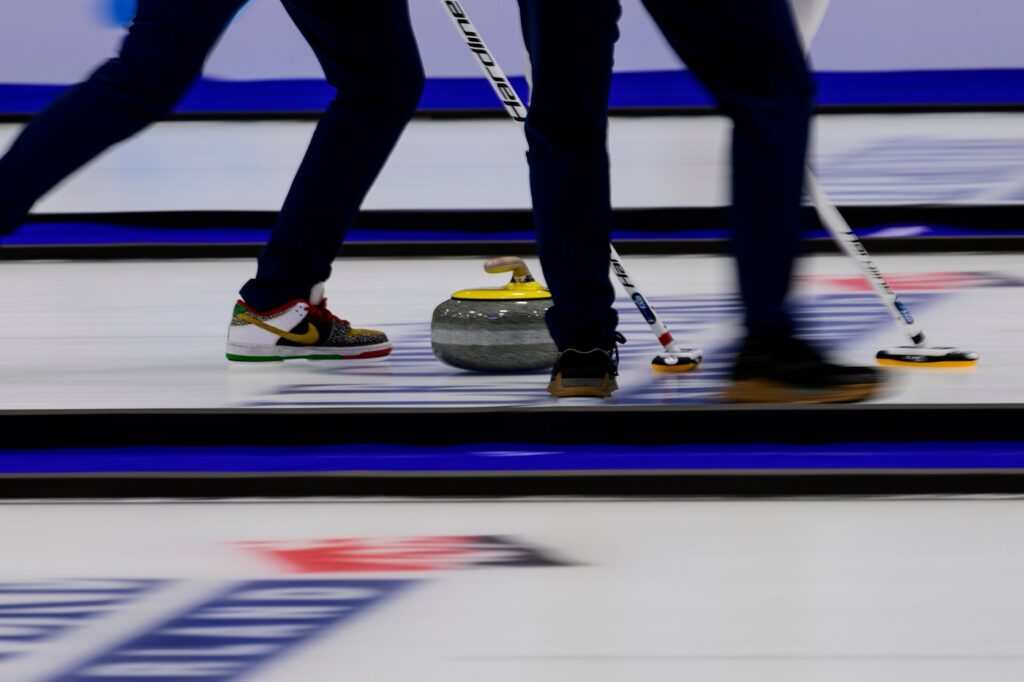
The Curling Group has once again revised its Rock League schedule for the upcoming season, marking the second consecutive year of adjustments. On Thursday, it was announced that an event slated for Halifax, originally set for January 14-17, will instead take place April 8-11 in Red Deer, Alberta. Additionally, the playoff format has been revamped from an 11-day span down to a compact four-day event scheduled from April 15-18, with Kalamazoo, Michigan, appointed as the host city for this postseason gathering.
Despite these significant changes, certain competitions remain unaffected. Events in Moose Jaw, Saskatchewan (January 7-10), Utica, New York (January 28-31), and Ottawa (February 4-7) will still occur as planned. The adjustments to the Rock League's Season 2 schedule have been made to accommodate the commitments of athletes throughout the curling season, thereby establishing a more sustainable calendar for the league.
The Rock League's Season 2 was initially announced last December, and the Curling Group indicated that it had intended to reveal the changes the previous day; however, this was delayed due to a request from one of its partners. The professional mixed-gender curling league made its debut in the spring and faced various challenges, which included a significant reduction in participant attendance, especially from high-profile Canadian curlers like reigning Montana’s Brier skip Matt Dunstone, who withdrew shortly before the first competition.
In its inaugural season, the league struggled with production issues that affected the broadcast quality during the initial days of the tournament. The box office turnout was quiet, with sparse audience numbers in the 2,500-seat Mattamy Athletic Centre. It wasn't until the final weekend that attendance figures began to improve. Despite these struggles, many leading domestic and international curlers participated last season, forming six newly created franchises within the league. To enhance the game experience, organizers made several adjustments to the rules and scoring system.
The initial plans for the Halifax event included hosting it at the ambitious Scotiabank Centre, which has a capacity of 10,500. However, the shift to the Servus Arena in Red Deer will see the league operating in a smaller venue, capable of accommodating approximately 1,360 spectators. The other venues in use also feature mid-range capacities. For reference, Moose Jaw’s Temple Gardens Centre has about 4,400 seats, Utica’s NBT Bank Arena can hold about 4,000, Ottawa's TD Place Arena accommodates around 9,000, and Kalamazoo’s Wings Event Center holds approximately 5,100 fans.
The adjustments to the Rock League schedule have raised concerns about potential conflicts for some curlers, as provincial and national championships overlap with various Rock League events. Notably, the U.S. national championships are set to occur between January 24-30, which clashes with the league's inaugural U.S. event in Utica. This marks the same day on which the Japanese national championships will begin. Furthermore, Rock League's season opener finishes just a day before the Alberta championships and the Ontario playdowns commence, both of which are pivotal qualifiers for the Brier (men) and the Scotties Tournament of Hearts (women).
Brad Jacobs, who leads the Shield Curling Club, claimed victory in Season 1 of the Rock League. As the focus shifts to Season 2, finalized player rosters have yet to be disclosed, maintaining a level of intrigue as fans await the upcoming competitions.
This report highlights the evolving nature of the Rock League and reflects the ongoing developments within professional curling, adapting to the demands and circumstances faced by athletes and organizers alike.








