

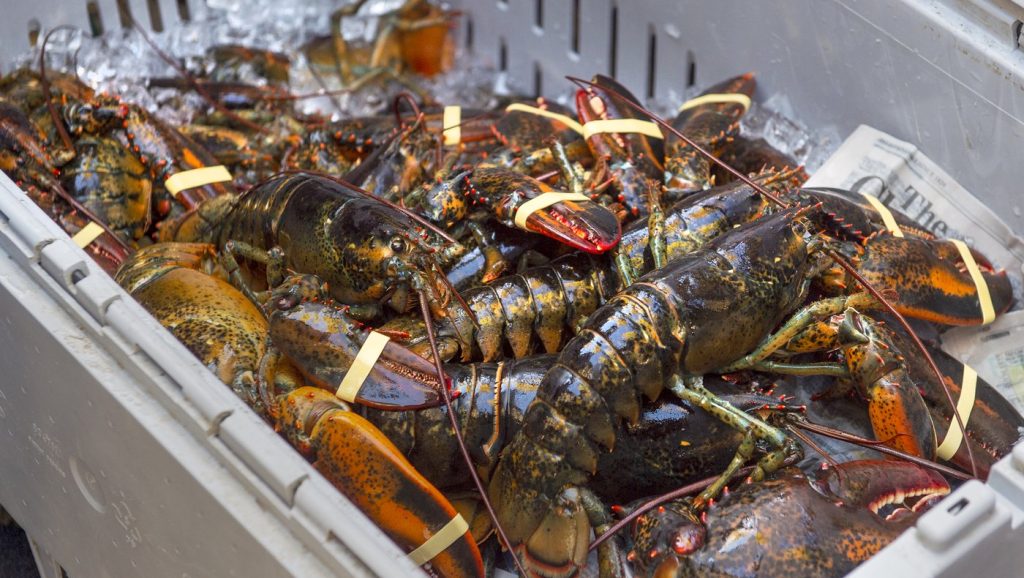
NODDY BAY, Newfoundland and Labrador — As climate change continues to shift marine ecosystems, there is growing momentum among fishers in Newfoundland and Labrador to advocate for an increase in the number of lobster licenses issued in the province. This shift is largely attributed to increasing lobster populations moving northward into local waters, prompting calls for regulatory changes to accommodate the burgeoning fishery.
Recent data from Fisheries and Oceans Canada reveals that the province's reported lobster landings have more than doubled in less than a decade, highlighting a significant increase in availability. Fisher Carl Hedderson, based at the tip of Newfoundland's Great Northern Peninsula, expressed astonishment at the prevalence of lobsters in the area, stating that he never expected to witness such an abundance.
Hedderson argues that expanding the number of lobster licenses could substantially benefit fish harvesters, especially those facing diminished catches from traditional species such as cod. He emphasized that diversifying into the lobster fishery could serve as a vital economic lifeline for many in the community, particularly in light of the ongoing challenges faced by the fishing industry.
However, the province's fisheries union has voiced concerns regarding this proposal. Existing lobster harvesters fear that introducing new participants into the fishery could dilute the market and adversely affect the value of their current licenses, which can reach valuations in the hundreds of thousands of dollars. This hesitation reflects broader anxieties about maintaining economic stability amidst evolving fish populations.
Moreover, the union contends that Newfoundland and Labrador lacks the necessary infrastructure to support a dramatic increase in lobster catches. They point out deficiencies in live holding capacity, air-freight connections, and overall logistical support needed to handle a larger volume of lobster. These limitations raise questions about the province's readiness to adapt to the rapidly changing environment and market dynamics.
Hedderson lamented the impact of fishing opportunities on local youth, noting, "All our young people are gone. We would have been booming if they could have had lobster. The young people could have stayed. They could have made some money." His remarks highlight the socio-economic repercussions that the fishing industry faces, particularly in rural communities grappling with population decline and the exodus of younger generations seeking opportunities elsewhere.
The dialogue surrounding lobster fishery licenses in Newfoundland and Labrador underscores a complex interplay between environmental changes, market forces, and community viability. As stakeholders navigate these discussions, the future of the lobster fishery and its role within the province's economy remains a pivotal issue, influencing both livelihoods and the local way of life.
This report was first published on September 19, 2026, reflecting ongoing developments in the fishing industry and the challenges posed by climate change.








