

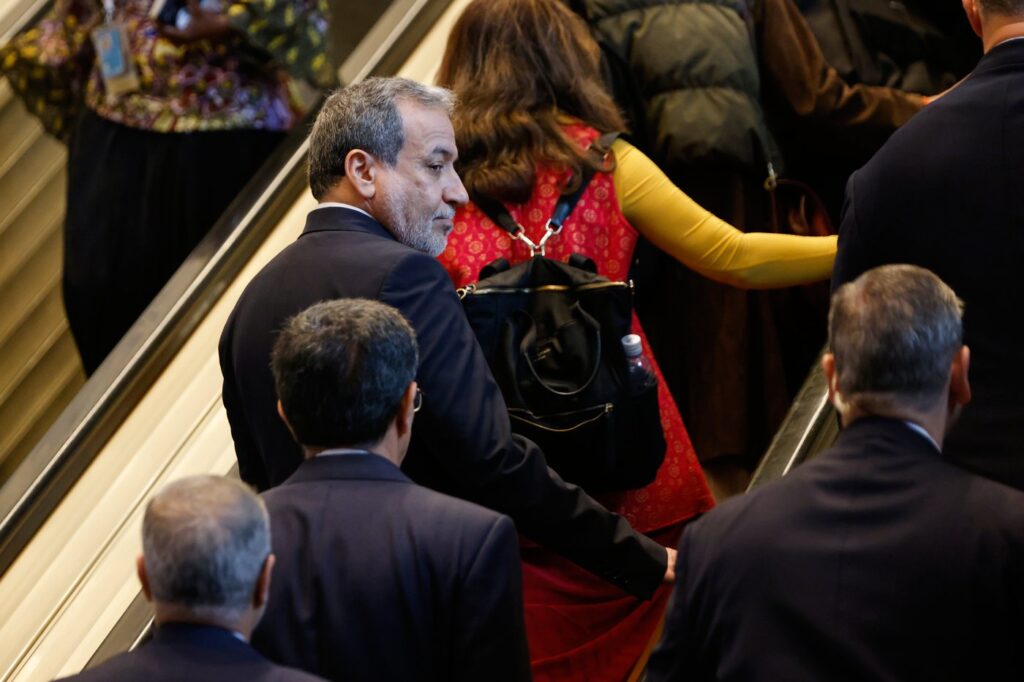
Iran has proposed to reopen negotiations regarding its nuclear program and the strategic Strait of Hormuz within seven days. This offer is contingent upon the United States lifting its naval blockade, waiving sanctions on Iranian oil sales, and observing a ceasefire, which would include Lebanon. The proposal was detailed by Iran’s Foreign Minister, Abbas Araghchi, during a private meeting on the sidelines of the U.N. General Assembly in New York.
Trita Parsi, the executive vice president of the Quincy Institute think tank and an attendee of the meeting, noted that Araghchi indicated a rapid agreement could provide a political advantage to U.S. President Donald Trump before the upcoming midterm elections in November. This assertion underscores the urgency for both sides to reevaluate the geopolitical landscape amidst rising tensions.
No immediate response has been provided by Iran's U.N. mission or other Iranian officials regarding the proposed terms. The latest offer bears a resemblance to a Memorandum of Understanding that was established in June, although this new proposal includes a much shorter timeline for compliance. That earlier agreement, which sought a 60-day interim period, faltered swiftly as Iran resumed attacks on maritime shipping in the strategically crucial strait.
President Trump has expressed that he is not in a hurry to finalize any agreements, despite the ongoing inflation and rising oil prices that are intensifying public concern over living costs. On the Iranian side, there are challenges regarding the domestic response, particularly from hardliners within the security apparatus, who may oppose concessions promoted by relatively moderate factions, like President Masoud Pezeshkian.
Parsi commented on the potential for flexibility from Trump, highlighting that if he finds this arrangement beneficial, particularly in terms of mitigating gas prices and gaining political advantages, then there may be a shift in the previously established stance. However, he also pointed out a pervasive sense of suspicion regarding Iran's motivations, suggesting that they could merely be attempting to buy time to extract more oil and alleviate their economic burdens.
In a display of ongoing diplomatic initiatives, President Pezeshkian hosted the Prime Minister of Qatar early Friday. Qatar has played a crucial role as a mediator, particularly in facilitating indirect Iranian-U.S. discussions at the U.N. earlier in the week. The duration of Pezeshkian and Araghchi’s stay in the U.S. remains uncertain following Pezeshkian's address to the annual U.N. gathering of world leaders on Wednesday.
U.S. Secretary of State Marco Rubio acknowledged the importance of dialogue, stating that if an opportunity arises for exchanging ideas and messages, it will be pursued. The intricate dynamics involving nuclear negotiations, economic sanctions, and regional stability continue to evolve, highlighting the fragile state of international relations in this context.








