

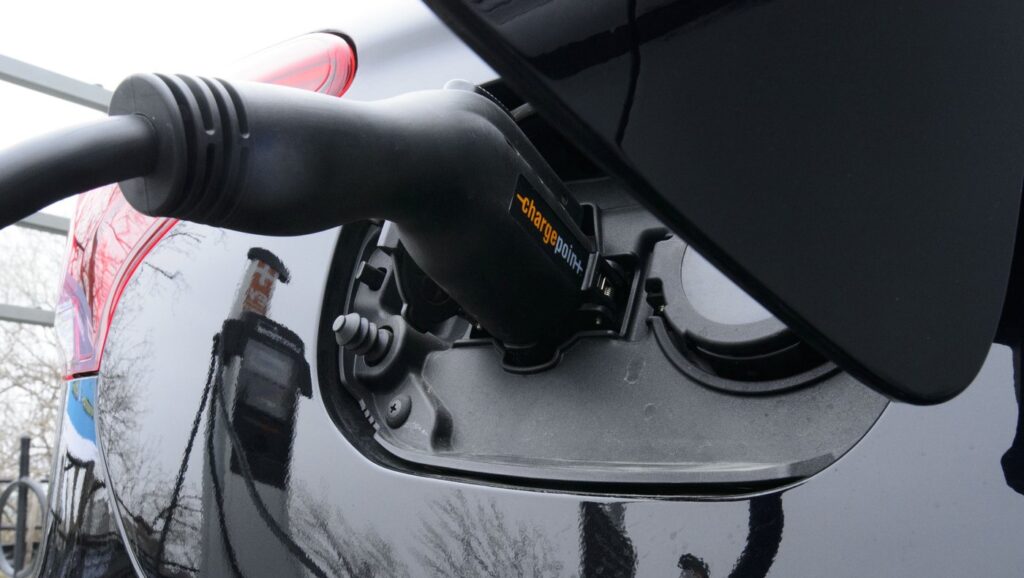
Starting October 1, 2023, drivers of electric and plug-in hybrid vehicles in Nova Scotia will be subject to a new renewal levy aimed at contributing to road maintenance. This initiative has been introduced by the provincial government, with the intention of ensuring all vehicle owners contribute to the costs associated with building and maintaining the province's roads and highways.
Under the new policy, electric vehicle owners will incur a $500 renewal fee, while those owning plug-in hybrid vehicles will face a $250 levy. Notably, gas hybrid vehicles will be exempt from this levy. The levies are set to apply to vehicle registration renewals that occur every two years and do not include Harmonized Sales Tax (HST).
John Lohr, the Minister of Finance and Treasury Board, emphasized the rationale behind this levy. He pointed out that Nova Scotians contribute to road construction and maintenance through taxes included in gas prices. However, electric vehicle owners do not contribute similarly, and plug-in hybrid owners contribute less. Lohr stated that this levy is designed to ensure equitable financial responsibility among all vehicle owners regarding road funding.
The approval for the new levy came in April as part of the 2023 provincial budget. With this policy change, Nova Scotia follows in the footsteps of other Canadian provinces, including Saskatchewan and Alberta, which have previously instituted similar fees of $300 and $200, respectively. Looking ahead, Quebec is slated to implement an annual charge of $125 starting in 2027.
Importantly, electric vehicle owners who pay the levy and subsequently sell their car within the two-year period will be eligible for a partial refund of the fee paid. This provision aims to alleviate some financial burdens for those who may change their vehicles during the levy cycle.
The levy will apply to various types of vehicles, including passenger vehicles, light trucks, and vans. However, it will not affect vehicles that are operated by municipalities, fire departments, or police services, reflecting the government’s intent to prioritize public safety and essential services.








