

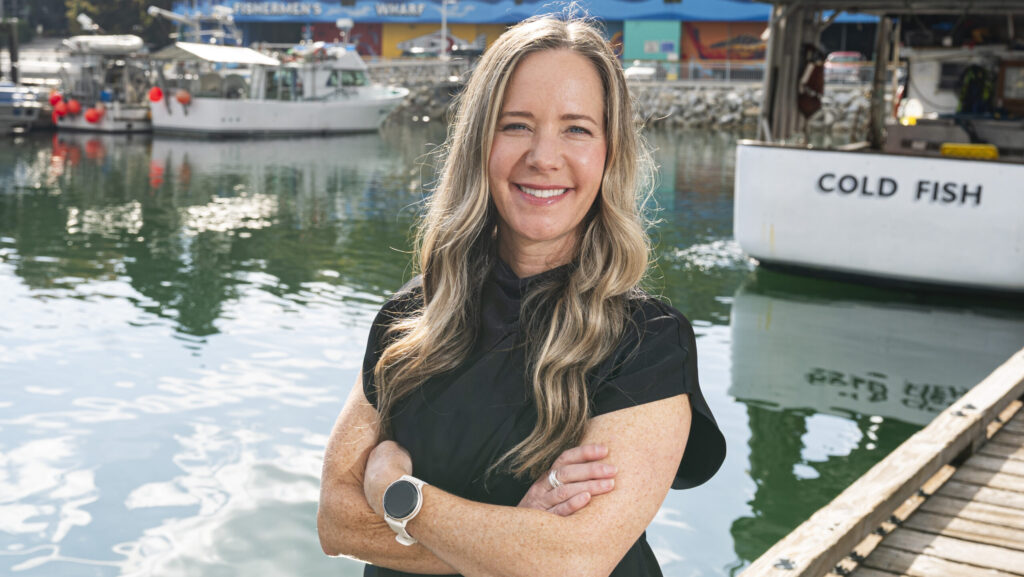
Skipper Otto, Canada’s largest community-supported fishery, began as a simple initiative by a single fisherman seeking fair compensation for his catch. Today, the organization connects approximately 70 independent fish harvesters directly with Canadian consumers. This model has seen growth as trade tensions with the United States have heightened interest in local food sources throughout Canada.
Sonia Strobel, the CEO of Skipper Otto, shares that the organization’s members often have their commitments secured even before they set sail. Skipper Otto’s system allows members to choose from a range of seafood using their pre-paid credits throughout the year. Strobel emphasizes that the model supports local small-scale fisheries and aligns with Canadians' growing concerns about food security and support for local producers.
As the trade tensions between the U.S. and Canada intensify, particularly with a recent ban on certain Canadian goods, these concerns have fueled a resurgence in the buy Canadian movement. This shift highlights a renewed focus on community-supported food programs, which enable consumers to directly pay growers, fishers, or farmers for a share of their harvest.
Community-supported agriculture (CSA) programs traditionally involve paying upfront during the off-season to receive a weekly box of fresh produce during the harvest period. Frederic Thériault, president and founding member of Tourne-Sol Co-operative Farm in Les Cèdres, Quebec, notes that the model has changed over the years, adapting to increasing competition. Members used to have limited choices with a fixed box of produce, but now they enjoy more flexibility in their selections.
In today’s landscape, many CSA models function as pre-paid accounts, where members can purchase credits at the start of the season and decide how to spend them during the harvest. This approach allows consumers to have more options and gives farmers the working capital they need before the season starts. Karen Murchison, the executive director of Canadian Organic Growers, highlights how technology has revolutionized these programs, allowing for online ordering and greater consumer choice.
The community-supported model has expanded beyond just vegetables. Livestock farmers are now adopting similar structures to market shares of meat, and community-supported fisheries apply these principles to seafood. This evolution reflects a broader shift within community-supported food initiatives, introducing increased competition and consumer diversity.
The promotional efforts have become essential for farmers like Thériault, who notes a positive trend, particularly among smaller farms in Quebec, where customer numbers among member farms of the Family Farmers Network have increased by 10% this year compared to the previous year.
The buy Canadian initiative is also evident in the meat sector. 8 Acres, a Canadian beef producer with operations in Saskatchewan and Manitoba, has seen steady growth since its inception in 2020, despite rising beef prices. Co-founders Ben Stuart and Bryce Lobreau observe that consumers still choose Canadian beef over potentially cheaper imported options, demonstrating a clear preference for supporting local producers even at a higher price point.
In conclusion, the community-supported fisheries and agriculture model is thriving in Canada, driven by increased consumer interest in local food sources and a stronger emphasis on food security. As trade tensions continue to influence consumer behavior, initiatives like Skipper Otto and others in the local food movement are gaining traction, showcasing the importance of supporting homegrown produce and meat in today's market.








