

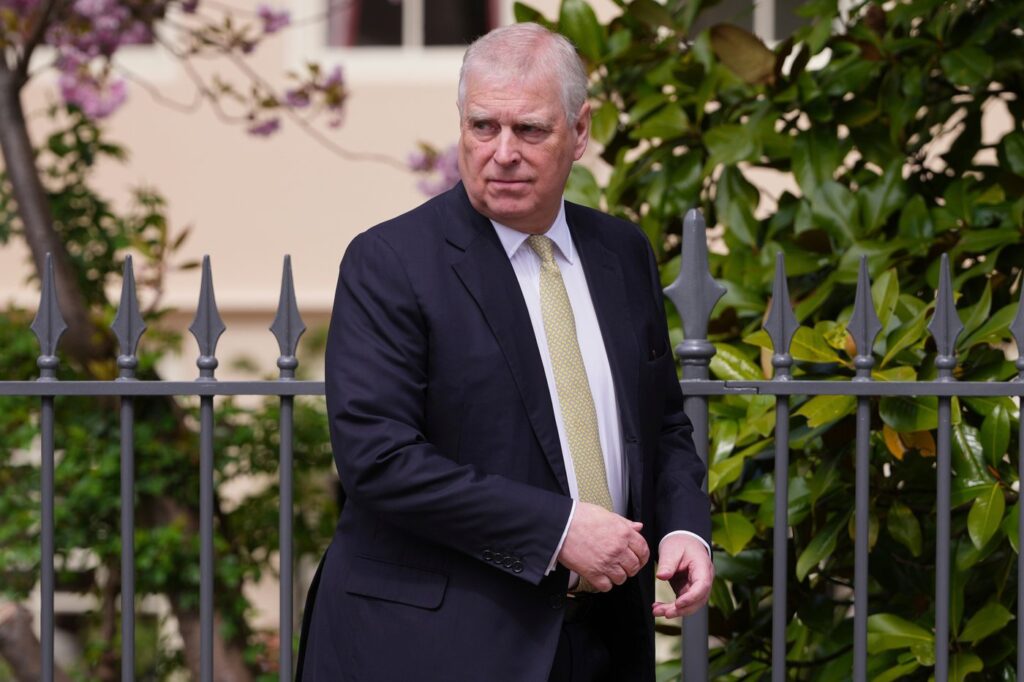
LONDON (AP) – In a significant legal move, Britain's former Prince Andrew, officially known as Andrew Mountbatten-Windsor, has initiated a legal action to quash warrants that resulted in searches of his residences. This development comes on the heels of his ongoing controversies regarding allegations of misconduct and his connections to convicted sex offender Jeffrey Epstein.
A judicial spokesperson confirmed that Andrew filed a claim with the High Court in London. A hearing is set to take place on Thursday, where the case will be reviewed in detail. The nature of the claim revolves around the assertion that Thames Valley Police may have breached legal protocols during the searches conducted at his properties.
The Daily Telegraph reported that Mountbatten-Windsor is challenging the lawfulness of the operations, particularly citing concerns surrounding the manner in which they were executed. These searches were connected to Andrew's arrest in February on suspicion of misconduct in public office. Allegations have emerged that he shared sensitive information with Epstein during his tenure as the U.K.'s trade envoy, which has propelled this case into the public eye.
The context of this legal confrontation is steeped in a broader narrative involving Andrew's relationship with Epstein, which has brought considerable shame and scrutiny upon the royal family. Following public outcry and mounting pressure, King Charles III took decisive action against his brother by stripping him of his royal titles and evicting him from his royal residence. This rare move by the king underscored the seriousness of the allegations and the royal family's commitment to distancing itself from the scandal surrounding Epstein.
This legal challenge is particularly noteworthy given the implications it holds not just for Andrew personally, but also for the monarchy as a whole. The outcome of the High Court hearing could influence public perception of the royal family and their protocols related to legal and ethical standards. As the case unfolds, it will be critical to observe how it navigates the intersecting issues of royal tradition, public accountability, and the intricate legal landscape surrounding allegations of misconduct.
As the situation develops, it remains to be seen how Andrew Mountbatten-Windsor's attempt to quash the warrants will be received by the judicial system and whether it can alter the narrative that has surrounded his public persona in recent years. This legal battle may serve as a focal point for discussions surrounding the role of royalty in modern society, especially in light of historical scandals and their far-reaching consequences.








