

PORTLAND, Ore. (AP) – Conservation groups, Native American tribes, and the states of Oregon and Washington are returning to court to request changes in dam operations on the Snake and Columbia Rivers. This comes after the collapse of a significant agreement with the federal government aimed at recovering critically endangered salmon runs. The legal battle is set for hearings on Friday in the U.S. District Court in Portland.
The proposed changes follow former President Donald Trump's decision to withdraw the U.S. from the Resilient Columbia Basin Agreement last June. This pact had involved Washington, Oregon, and four Native American tribes and had allowed for a temporary halt in litigation regarding dam operations. The Biden administration had previously pledged $1 billion over ten years to support salmon restoration alongside tribal clean energy projects, but this agreement fell apart amid accusations of “radical environmentalism” from the White House, which suggested the breach of four dams on the Snake River.
The plaintiffs argue that the current operational practices of the dams violate the Endangered Species Act. They seek a judicial order to enforce modifications at eight major hydropower dams, which include lowering reservoir water levels and increasing water spill. Lowering water levels could facilitate faster fish passage, while increasing spill would allow juvenile fish to bypass turbines, thus improving their survival rate.
The federal government, in its filings, opposes the request, describing it as a “sweeping scheme to wrest control” of the dams. They argue that such changes would compromise safe and efficient dam operations and could potentially result in increased rates for utility customers. Kristen Boyles, managing attorney for Earthjustice, emphasized the urgency of the situation, stating, “We’re returning to court because the situation for the salmon and the steelhead in the Columbia River Basin is dire.” She noted that certain fish populations are on the brink of extinction and are integral to Northwest tribal lifestyles and identity.
The Columbia River Basin, historically the world’s largest salmon-producing river system, has seen significant declines in its salmon populations. Out of at least 16 stocks of salmon and steelhead, four are declared extinct, while seven are classified as endangered or threatened. Additionally, a population of killer whales, which are also endangered, relies heavily on salmon for sustenance.
Initially constructed during the Great Depression, the dams, including the Grand Coulee and Bonneville, provided vital jobs, hydropower, and navigation improvements. They have played a crucial role in establishing Lewiston, Idaho, as the most inland seaport on the West Coast, benefiting farmers who depend on barge transportation for their crops. However, critics of dam operations highlight that these structures contribute significantly to the decline of salmon, which are considered vital to the cultural and spiritual identity of regional tribes.
Opposition to the proposed operational changes comes from groups like the Inland Ports and Navigation Group. They have expressed concerns that increasing water spills could disrupt navigation and harm local communities and economies by impeding commerce and transportation routes.
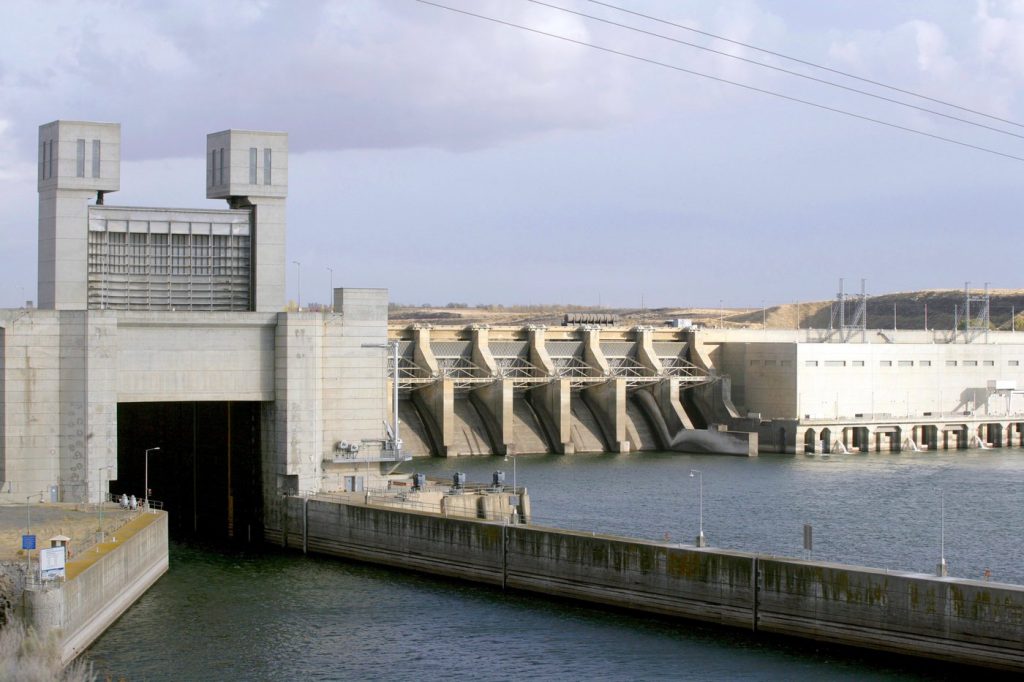
The eight dams targeted for operational changes include the Ice Harbor, Lower Monumental, Little Goose, and Lower Granite on the Snake River, as well as the Bonneville, The Dalles, John Day, and McNary dams on the Columbia River. With the current legal landscape and ongoing challenges facing salmon populations, the outcomes of these court proceedings are poised to have significant implications for environmental, cultural, and economic considerations in the region.








