

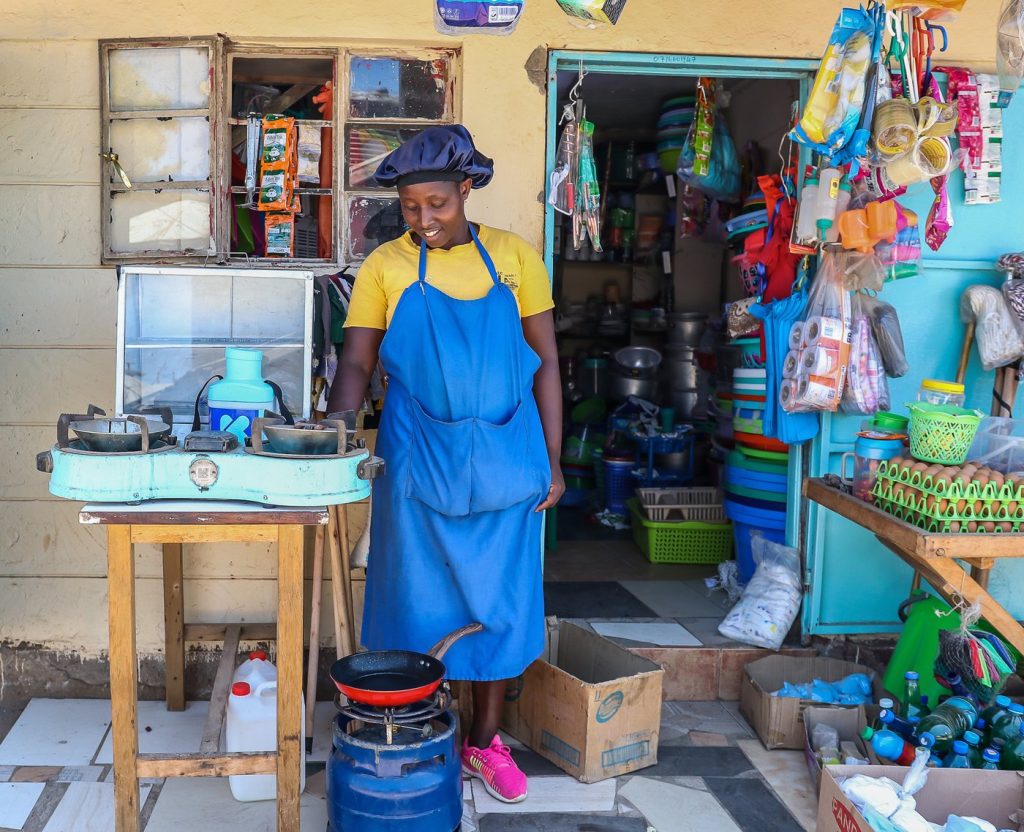
NAIROBI, Kenya (AP) Koko Networks has hit a significant roadblock, rendering more than 3,000 Koko fuel supply points across Kenya idle and leaving many households searching for alternatives. Designed to make refilling cooking canisters as easy as buying airtime, the bioethanol solution once heralded for its clean-burning properties has been abruptly halted due to regulatory challenges.
For over a decade, Koko Networks has been helping more than 1.5 million Kenyan homes, particularly those without access to public gas systems, transition from smoky charcoal stoves to cleaner bioethanol cooking solutions. The steady blue flame of Koko stoves became a powerful symbol in Kenya’s quest for sustainable household energy. However, this promise has faced serious setbacks.
In early 2023, Koko was unable to secure a crucial government authorization for selling carbon credits, which are essential for the company’s financial model. This permit was necessary for unlocking international financing, vital for maintaining low fuel prices for consumers. As a result, Koko announced on January 30, 2023, that their business model had become financially unsustainable, leading to a shutdown of their fuel distribution network.
The impact of this shutdown is particularly felt in places like Kibera, Nairobi’s largest informal settlement. Many Koko service outlets have closed their doors, with some even removing bioethanol dispensers entirely. Fredrick Onchenge, who once served up to 50 customers a day, now faces silence as he loses his livelihood. Customers received the news of the shutdown via a text message, leaving kitchens that once thrived on Koko fuel with idle stoves, reminders of a service that vanished overnight.
For many consumers like Grace Kathambi, the transition to Koko fuel was transformative. Previously unable to afford the $8 needed to refill a traditional gas cylinder, Kathambi relied on Koko’s cheaper fuel option. Now, as she contemplates her next moves, the strain of rising costs leaves her facing the prospect of returning to charcoal stoves, posing health hazards that her community had sought to escape.
Margaret Auma also expressed her frustrations, highlighting the challenges faced by those who earn minimal wages. Koko provided a viable cooking solution for many low-income families, and now they feel abandoned as they navigate a return to less eco-friendly alternatives.
The breakdown in Koko's operations underscores broader issues with how clean cooking initiatives are financed across Africa. For weeks, Koko and the Kenyan government struggled over approvals for carbon credits and import permits required for bioethanol derived from molasses, a by-product of sugarcane. The Kenyan authorities’ hesitation stemmed from concerns over the credibility of carbon credits, which directly affected Koko's operational viability.
David Ndii, Kenya’s presidential advisor on economic affairs, explained that Koko’s situation involves multiple complexities, including the Paris Agreement framework and ongoing questions about the reliability of cookstove carbon credits. Despite the significance of Koko’s services, he indicated that government intervention was not an option, suggesting that even successful initiatives can face insurmountable challenges.
The closure of Koko Networks has prompted energy analysts to call attention to systemic weaknesses in clean cooking finance throughout Africa. Amos Wemanya, a renewable energy analyst at Power Shift Africa, emphasized that reliance on carbon credits threatens to prioritize market performance over the needs of people. He argues that the clean cooking crisis transcends emissions targets and must prioritize development and household survival. Wemanya advocates for a shift toward affordable electricity, particularly in rural settings, rather than dependency on carbon credits, which have proven ineffective in delivering sustainable long-term solutions.
In the aftermath of Koko's shutdown, households are forced to make difficult choices between reverting to charcoal or seeking expensive liquefied petroleum gas alternatives. As Margaret Auma poignantly questioned, returning to charcoal in cramped living conditions means returning to the very health and safety hazards many families were trying to escape.








