

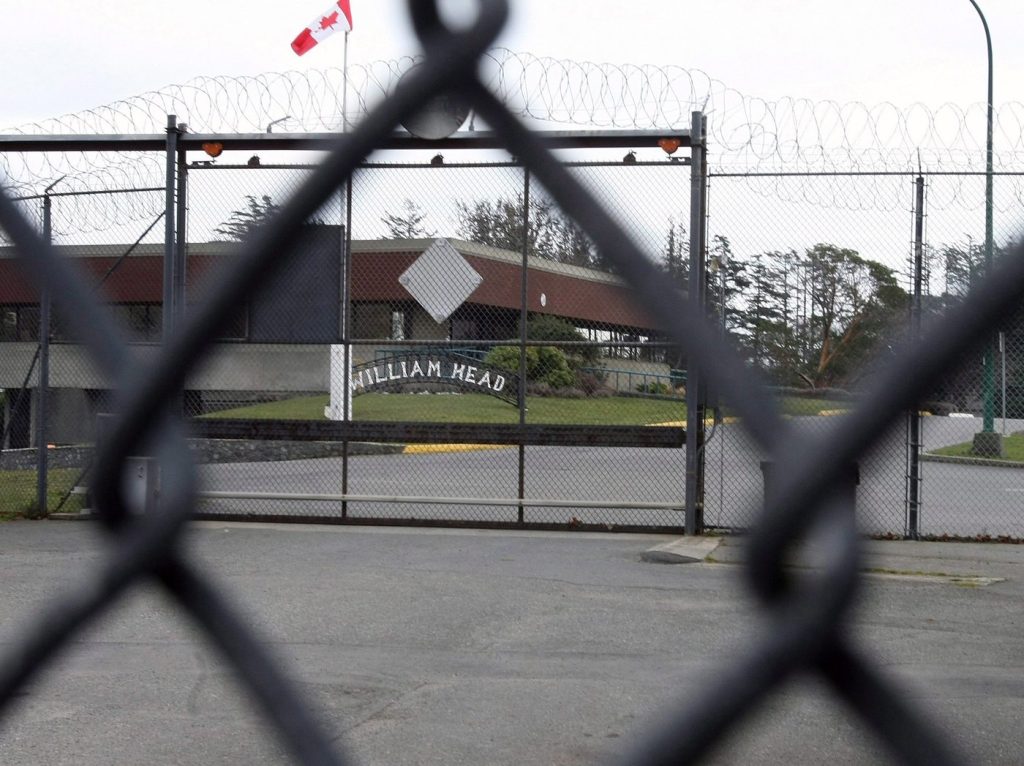
VANCOUVER – A concerning trend in Canadian prisons is highlighted by a string of violent incidents tied to the so-called "inmate code." Advocates argue that this set of unwritten rules cultivates an environment of fear and violence among prisoners, making it increasingly dangerous for those who refuse to comply. Recent cases, including the death of an inmate in a chokehold after being coerced into a fight and the killing of notorious serial killer Robert Pickton, underscore the serious implications of adhering to this code.
Prison violence statistics from the Correctional Service of Canada demonstrate a significant rise, with "assault-related incidents" increasing by approximately 45% in recent years. For instance, incidents rose from 2,265 in fiscal 2021-22 to 3,279 in 2024-25, involving both inmates and staff. Catherine Latimer, executive director of the John Howard Society, pointed out a recent contempt-of-court ruling where convicted murderer Cody Haevischer refused to testify, fearing repercussions due to the inmate code, which he claimed forbids him from "ratting" on anyone still alive.
The judiciary has responded critically to such claims; a B.C. Supreme Court judge found Haevischer in contempt, asserting that the inmate code does not take precedence in the courtroom. However, Latimer emphasized the genuine fear prisoners experience in communicating with authorities, potentially putting their lives at risk. She remarked, "If I had been Haevischer, I would have opted for the contempt charge rather than loss of life." This reflects a larger issue, as prisoners often face violent consequences for breaking the inmate code.
Chris McLaughlin from the Correctional Service of Canada acknowledged the existence of the inmate code but revealed that reporting threats is complicated by the fear of repercussions. He explained that while the code may vary between institutions, it consistently discourages cooperation with authorities. In cases like Pickton's murder, questions arose regarding the safety protocols for particularly vulnerable inmates, as well as prison authorities' accountability in permitting access to harm.
Lauded for complying with the inmate code, even individuals serving time for minor offenses face devastating outcomes. The case of John Murphy, who died after being coerced into a fight with Jordan Burt, illustrates this tragic reality. Both men were pressured by other inmates, leading to a situation that ended in a chokehold lasting over ten minutes.
Lawrence Da Silva, a former inmate who served 19 years for violent offenses, revealed how the inmate code continues to influence behavior outside of prison. He noted that guards often unintentionally reinforce this culture, making inmates wary of reporting issues. Da Silva described the harsh penalties for those labeled as "rats," including violence that could occur even in front of guards, highlighting the pervasive nature of this dangerous code.
Furthermore, experts in prison law—including Nora Demnati and Edmonton defense lawyer Tom Engel—expressed frustration at the judicial system's failure to take the inmate code seriously. Judges, according to Demnati, often do not recognize the intense pressure inmates face under the code, making it naive to assume that all prisoners are adequately protected within the prison system.
In summary, the ongoing violence in Canadian prisons—exacerbated by the unwritten inmate code—raises critical questions about inmate safety and systemic reform. With prison populations shifting and an increasing focus on gang-related violence, addressing the underlying issues and realities faced by inmates is paramount to curtailing such violence.








