

MUSCAT, Oman (AP) – Negotiations between Iran and the United States are set to take place in Oman, focusing primarily on Tehran's nuclear program. This follows a tumultuous week that initially aimed to include regional countries in discussions in Turkey. The two nations return to Oman after previous negotiations failed, particularly after Israel's military actions against Iran in June, which resulted in significant damage to Iran's nuclear infrastructure.
The ongoing situation sees U.S. officials, including Secretary of State Marco Rubio, asserting that Iran's government is currently experiencing unprecedented weakness since the 1979 Islamic Revolution. This perception is fueled by nationwide protests that challenged the authority of 86-year-old Supreme Leader Ayatollah Ali Khamenei. The Iranian leadership responded with a violent crackdown, leading to thousands of deaths and arrests, alongside renewed military threats from U.S. President Donald Trump.
With a formidable military presence in the region, including the aircraft carrier USS Abraham Lincoln, the U.S. stands ready to execute military options if deemed necessary. However, the effectiveness of such actions in compelling Iran to alter its approach or destabilize its government remains uncertain. Concurrently, Gulf Arab nations express concern that any military action could ignite a broader regional conflict.
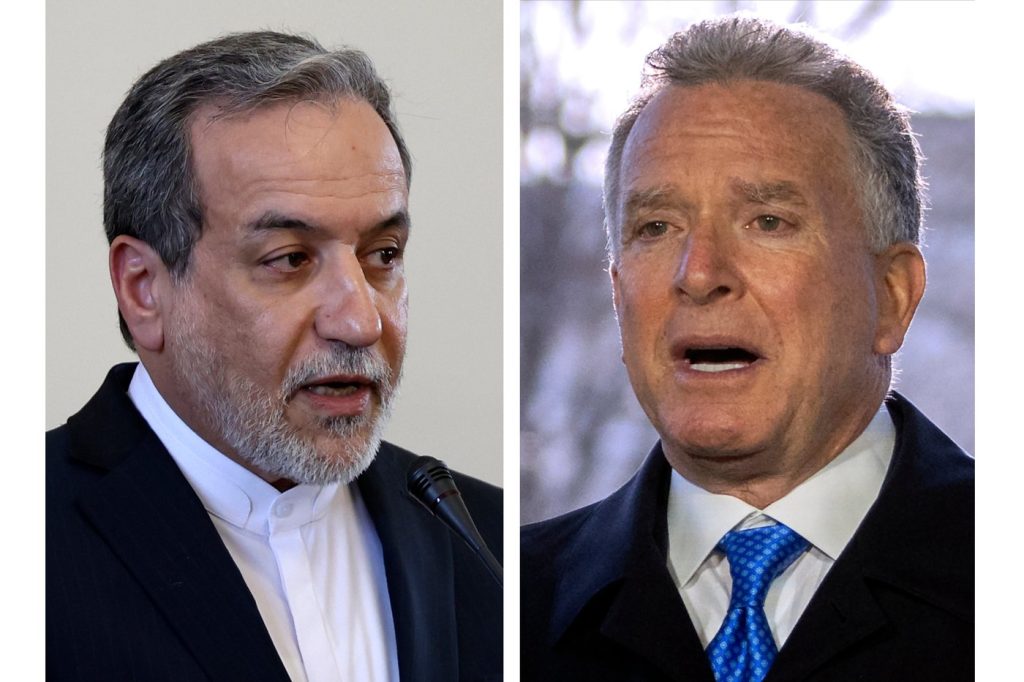
Alissa Pavia, a fellow at the Atlantic Council, emphasized President Trump's strategy to pressure Iran into negotiating a solution by leveraging its current vulnerabilities amidst economic turmoil and internal strife. The Iranian delegation, led by Foreign Minister Abbas Araghchi, arrived in Muscat, highlighting the significance of these discussions. Nevertheless, there is apprehension regarding the specifics of the negotiations, with Omani authorities carefully managing media presence as discussions unfold.
Araghchi's expertise as a negotiator received recognition from Ali Shamkhani, an adviser to Khamenei, who publicly expressed confidence in his capabilities. On the U.S. side, the meeting is anticipated to be predominantly led by Mideast special envoy Steve Witkoff, accompanied by Trump's son-in-law Jared Kushner. Their itinerary in the Middle East has also included discussions with Qatari officials.
As the talks commence, the terms Iran is prepared to discuss remain ambiguous. Iran has stated that the discussions will center exclusively on its nuclear program. Reports suggest that diplomats from Egypt, Turkey, and Qatar have extended a proposal for Iran to suspend uranium enrichment for three years, surrender highly enriched uranium, and refrain from initiating the use of ballistic missiles. However, Iran's leadership has previously dismissed any notion of pausing its nuclear program or exporting uranium.
Additionally, U.S. officials have expressed that the dialogue must encompass a wider array of issues, including Iran's ballistic missile capabilities, its support for regional militant groups, and human rights conditions within the country. Rubio stressed that a comprehensive accord requires addressing all these topics to pave the way for any substantial agreement.
The ongoing discussions illustrate a complex interplay of military readiness and diplomatic maneuvering amidst high-stakes negotiations between the U.S. and Iran. As global watchfulness heightens, the outcomes of the Muscat talks hold significant implications for regional stability and the potential trajectory of U.S.-Iran relations moving forward.








